The thyroid quietly orchestrates our energy, metabolism, mood, and even immune balance, and what we eat has a surprisingly large role to play. In this 2026 practical guide we’ll walk through the science you need, the key nutrients to prioritize, exactly which whole foods help (and which to limit), plus meal plans, testing tips, and lifestyle moves that support healthy hormones. Whether you’re managing diagnosed thyroid disease, suspect hormone imbalance, or simply want more steady energy and metabolic resilience, we’ll give you clear, usable recommendations you can apply at the grocery store and in the kitchen.
How The Thyroid Works: Simple Basics You Need To Know
The thyroid is a small, butterfly-shaped gland at the base of the neck, but its effects are systemic. It produces two main hormones, thyroxine (T4) and triiodothyronine (T3), that regulate how our cells use energy. The pituitary gland in the brain senses circulating thyroid hormone levels and adjusts production by releasing thyroid-stimulating hormone (TSH). When the system is balanced, energy, temperature regulation, digestion, and mood stay steady. When it isn’t, people experience fatigue, weight changes, hair thinning, temperature sensitivity, and cognitive fog.
A couple of key points to keep front of mind:
- T4 is the prohormone: most T3 is produced outside the thyroid by converting T4 in tissues (especially the liver and gut). Nutrient status and inflammation influence that conversion.
- Autoimmunity is the most common cause of chronic thyroid dysfunction in many countries: Hashimoto’s leads to underactive thyroid (hypothyroidism) and Graves’ disease to overactivity (hyperthyroidism). Nutrition can’t cure autoimmune disease, but it can influence inflammation, immunity, and symptom control.
- Medications (levothyroxine, liothyronine) are cornerstone treatments when thyroid hormone is low. Food and nutrients support function and can improve quality of life, but they don’t replace appropriate medical care.
Understanding these basics helps us choose foods and lifestyle strategies that support hormone synthesis, conversion, and immune balance rather than chasing unsupported “miracle” cures.
Why Nutrition Matters For Thyroid Hormones
Nutrition matters for the thyroid in three main ways: providing essential building blocks for hormone synthesis, supporting the enzymes that convert T4 to active T3, and modulating immune and inflammatory pathways that affect thyroid tissue.
First, thyroid hormones require iodine and the amino acid tyrosine to be produced. Without adequate iodine, the gland can’t make enough hormone: without tyrosine, the biochemical assembly line stalls. Second, conversion of T4 to T3 depends on selenium-dependent enzymes (deiodinases), sufficient iron, and optimal liver and gut health. Third, immune dysfunction and chronic inflammation, influenced by vitamin D status, gut permeability, dietary inflammatory load, and environmental exposures, can trigger or worsen autoimmune thyroid disease.
Beyond these biochemical roles, dietary patterns influence energy balance, body composition, gut microbiome diversity, and micronutrient absorption, all of which interact with thyroid function. For example, very low-calorie diets often lower T3 levels as a metabolic adaptation: conversely, diets high in ultra-processed foods and added sugars can promote inflammation and metabolic stress. That’s why we focus on whole, nutrient-dense foods that simultaneously support hormone production and systemic health.
Key Nutrients That Support Thyroid Function
We’ll cover the most important vitamins, minerals, amino acids, and fats that directly or indirectly support thyroid hormones. Get these nutrients from food where possible, and consider targeted supplements when testing shows deficiency or your clinician recommends them.
Iodine: Role, Food Sources, And Safe Limits
Iodine is essential for making T4 and T3. Rich food sources include seafood, seaweed, iodized salt, and dairy (in countries where cows’ feed contains iodine). But, both deficiency and excess iodine can cause thyroid dysfunction, particularly in people with autoimmune disease. Recommended intakes vary by age and pregnancy status, for most adults, 150 mcg/day is appropriate: pregnant and lactating people require more (220–290 mcg/day). We should be cautious about high-dose iodine supplements unless directed by a clinician and avoid consuming very large amounts of kelp or concentrated seaweed daily.
Selenium: How It Protects The Thyroid And Where To Get It
Selenium is vital for deiodinase enzymes that convert T4 to T3 and for antioxidant enzymes that protect thyroid tissue from oxidative damage during hormone production. Good sources: Brazil nuts (one to two nuts daily often meets needs), seafood, organ meats, and whole grains. Typical dietary selenium intake is sufficient in many regions, but low levels are common in some areas: supplementation (usually 100–200 mcg/day) may benefit autoimmune thyroiditis in some studies, though we recommend testing and clinician guidance before starting high-dose selenium.
Iron, Zinc, And Copper: Supporting Hormone Production And Transport
Iron deficiency impairs thyroid peroxidase, an enzyme involved in hormone synthesis, and is common among menstruating people. Red meat, poultry, legumes, and fortified cereals are good iron sources: pairing iron with vitamin C-rich foods enhances absorption. Zinc supports hormone signaling and conversion: we find it in oysters, beef, pumpkin seeds, and legumes. Copper is less commonly deficient but participates in overall metabolism, sources include shellfish, nuts, and whole grains. Balance matters: excessive supplementation of one mineral can affect others, so we favor food-first strategies and targeted testing.
Vitamin D, B12, And B Vitamins: Immune Support And Energy Metabolism
Vitamin D regulates immune function and is associated with autoimmune thyroid disease risk when deficient. Sun exposure, oily fish, fortified dairy or plant milks, and supplements can raise levels. B12 deficiency often co-occurs with autoimmune disease and can worsen fatigue and cognitive symptoms: animal products are primary sources, and vegans or those with malabsorption may need supplements. Other B vitamins (B2, B3, B6, folate) support energy metabolism and methylation pathways important for hormone balance and detoxification.
Amino Acids And Healthy Fats: Tyrosine, Omega‑3s, And Cholesterol For Hormone Synthesis
Tyrosine is the amino acid backbone for thyroid hormones and is abundant in protein-rich foods like meat, fish, dairy, eggs, and legumes. We don’t usually need isolated tyrosine supplements if protein intake is adequate. Healthy fats, especially omega‑3 fatty acids, modulate inflammation and cell membrane function: fatty fish, flax, chia, and walnuts are good sources. Cholesterol is the precursor for steroid hormones: while cholesterol doesn’t make thyroid hormones, very low-fat, very-low-cholesterol diets can negatively affect overall hormone synthesis, so we encourage balanced intakes of quality fats.
Top Whole Foods To Eat For Thyroid Health
Focusing on whole foods helps us cover the nutrients described above while minimizing inflammatory, nutrient-poor processed foods. Below are practical categories and examples to include regularly.
Seafood, Sea Vegetables, And Iodized Salt: Practical Choices And Safety Notes
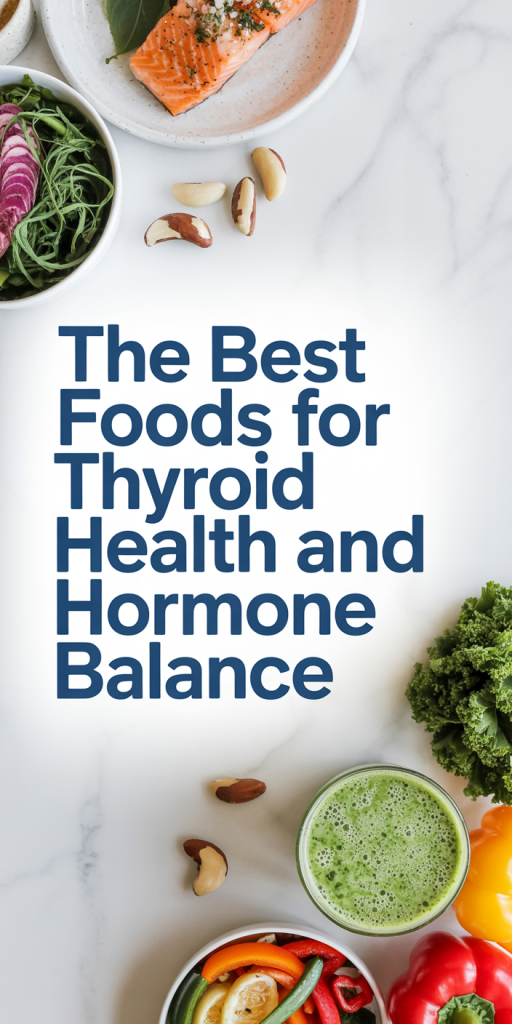
- Seafood: Wild salmon, sardines, shrimp, and cod provide iodine, selenium, and omega‑3s. Aim for 2–3 servings/week of oily fish for omega‑3 benefits.
- Sea vegetables: Nori and wakame are moderate iodine sources and fine in moderation. Kelp and kombu can be very high in iodine: we recommend limiting concentrated seaweed to occasional use and relying on iodized salt or seafood for routine iodine.
- Iodized salt: A simple, reliable source of iodine when used sensibly. We recommend using iodized salt in cooking while keeping total sodium in check.
Safety note: Pregnant and breastfeeding people should consult their clinician about iodine dosing and avoid excessive kelp or supplements without guidance.
Nuts, Seeds, And Oils: Selenium, Zinc, And Omega‑3 Sources
- Brazil nuts: One to two nuts a day typically supplies adequate selenium.
- Walnuts, flaxseed, chia: Plant sources of omega‑3 ALA: include regularly if you don’t eat fish.
- Pumpkin seeds and sesame seeds: Good zinc sources: great sprinkled on salads or yogurt.
- Extra-virgin olive oil and avocado oil: Heart-healthy monounsaturated fats that support metabolic health.
Lean Proteins, Eggs, And Legumes: Building Blocks For Hormones
- Lean proteins: Poultry, lean beef, and pork supply iron and zinc.
- Eggs: Provide protein, cholesterol for hormone synthesis, selenium, and B12.
- Legumes: Lentils, chickpeas, and beans are excellent plant-based protein and iron sources: pair them with vitamin C foods to enhance iron absorption.
Dairy, Fortified Foods, And Whole Grains: Vitamin And Mineral Support
- Dairy: Yogurt and milk can be sources of iodine, calcium, and B12 (choose fortified plant milks if dairy-free).
- Fortified cereals and breads: Can help fill gaps for iron, folate, and B vitamins, but choose lower-sugar options.
- Whole grains: Oats, quinoa, and brown rice provide fiber and micronutrients: avoid refined grain products that spike inflammation.
Fruits, Vegetables, And Fiber: Antioxidants, Gut Health, And Inflammation Control
- Colorful vegetables and fruits: Berries, leafy greens, bell peppers, and cruciferous vegetables (prepared appropriately) supply antioxidants and fiber.
- Fiber: Supports gut health, important because gut inflammation and dysbiosis can impair T4→T3 conversion. Aim for a mix of soluble and insoluble fibers from whole foods rather than supplements unless advised.
By rotating foods across these groups we cover most micronutrient bases and create dietary patterns that support both thyroid hormones and overall health.
Foods To Limit Or Avoid For Better Thyroid Balance
Some foods can interfere with thyroid function, nutrient absorption, or increase inflammation. We don’t recommend fear-based elimination: instead, use moderation, appropriate preparation, and individualized decisions in partnership with your clinician.
Goitrogens And Cruciferous Vegetables: When To Worry And How To Prepare Them Safely
Cruciferous vegetables (broccoli, cauliflower, kale, Brussels sprouts) contain compounds called goitrogens that can interfere with iodine uptake when consumed raw in very large amounts. For most people with adequate iodine intake, eating cooked crucifers is safe and beneficial. We recommend:
- Cook cruciferous vegetables rather than consuming very large amounts raw every day.
- Prioritize variety, don’t rely solely on crucifers for vegetable intake.
- If you have untreated iodine deficiency or significant hypothyroidism, discuss vegetable intake with your clinician.
Soy, Processed Foods, And High‑Sugar Diets: Effects On Hormones And Tips To Reduce Intake
Soy contains isoflavones that can have weak estrogen-like effects and may modestly affect thyroid function in the context of iodine deficiency. Most people can consume moderate amounts of fermented soy (miso, tempeh) or whole soy foods without issue, especially with adequate iodine. Ultra-processed foods and high-sugar diets, but, promote inflammation, weight gain, and insulin resistance, all of which worsen hormonal balance. We advise reducing packaged snacks, sugary drinks, and fast food, replacing them with nutrient-dense whole foods.
Alcohol, Caffeine, And Excessive Fiber: Timing And Moderation Considerations
- Alcohol can disrupt thyroid hormone metabolism and immune balance when consumed in excess. Moderate intake (if any) is prudent.
- Caffeine doesn’t directly harm the thyroid but can worsen anxiety and sleep, factors that affect hormonal health. We recommend timing caffeine earlier in the day and monitoring tolerance.
- Excessive fiber around the time of taking thyroid medication can reduce absorption of levothyroxine. If you take thyroid meds, separate them from high-fiber meals and supplements by 60–90 minutes or follow your clinician’s timing advice.
Gluten And Autoimmune Thyroid Disease: What The Evidence Suggests
Some people with autoimmune thyroid disease report symptom improvement on a gluten-free diet. The evidence is mixed: routine gluten avoidance isn’t required for everyone with autoimmune thyroid disease, but testing for celiac disease is reasonable in symptomatic patients because untreated celiac can worsen nutrient absorption and autoimmune activity. If we eliminate gluten, we emphasize nutrient-dense, naturally gluten-free foods rather than ultra-processed gluten-free products.
Practical Meal Planning: Sample Meals, Snacks, And Shopping List
We want meal planning to be realistic and sustainable. Below is a one-day sample, practical swaps, and a grocery list to help you stock a thyroid-friendly kitchen.
Sample One‑Day Meal Plan For Thyroid Support (Balanced, 3 Meals + Snacks)
Breakfast:
- Greek yogurt bowl with chia seeds, sliced banana, a chopped Brazil nut, and a handful of berries. (Protein, selenium, omega‑3 ALA, probiotics)
Mid-morning snack:
- Apple with a tablespoon of almond butter.
Lunch:
- Salmon and quinoa salad: grilled salmon over mixed greens, cooked quinoa, roasted beets, pumpkin seeds, lemon-olive oil dressing. (Iodine, selenium, omega‑3s, iron, zinc)
Afternoon snack:
- Hummus with carrot sticks and a small orange.
Dinner:
- Stir-fry with tofu or chicken, cooked broccoli, bell peppers, mushrooms, and brown rice. Use low-sodium soy or tamari and finish with sesame seeds. (Protein, cooked crucifers, zinc, fiber)
Evening note: If you take levothyroxine, plan medication timing (typically on an empty stomach 30–60 minutes before breakfast or as advised) and avoid high-fiber/mealtime supplements that could interfere with absorption.
7 Food Swaps And Cooking Tips To Preserve Nutrients
- Swap refined grains for whole grains (brown rice, quinoa) to preserve B vitamins and fiber.
- Cook cruciferous vegetables lightly (steam or roast) to reduce goitrogenic activity.
- Pair plant-based iron sources with vitamin C (lentils + bell peppers) to boost absorption.
- Use one to two Brazil nuts daily instead of high-dose selenium supplements unless advised.
- Choose wild or fatty fish twice weekly for omega‑3s rather than relying on supplements alone.
- Replace sugary snacks with fruit + nut combos to stabilize blood sugar.
- Use iodized salt in moderation instead of relying on high-iodine supplements or concentrated kelp.
Grocery Shopping List For A Thyroid‑Friendly Kitchen
Proteins: Salmon, sardines, chicken breast, lean beef, eggs, tofu, lentils, chickpeas
Sea & iodine: Nori sheets, moderate-use wakame, iodized salt
Nuts & seeds: Brazil nuts, pumpkin seeds, walnuts, chia, flaxseed
Dairy & substitutes: Greek yogurt, fortified plant milks
Vegetables & fruits: Leafy greens, bell peppers, carrots, broccoli (cook), berries, citrus
Grains & staples: Quinoa, brown rice, oats, whole-grain bread
Oils & condiments: Extra-virgin olive oil, avocado oil, low-sodium tamari
Herbs & extras: Turmeric, ginger, garlic, lemon (vitamin C), sesame seeds
This list keeps meals varied, nutrient-dense, and relatively easy to prepare.
Supplements, Testing, And Working With Your Clinician
Supplements can be helpful but are best used based on testing and professional guidance. We recommend a collaborative approach with your clinician or a registered dietitian who understands thyroid care.
When To Consider Supplements And Which Ones May Help (With Dosage Ranges)
- Iodine: Only if testing or clinical context indicates deficiency. Typical supplemental doses for deficiency are 150–300 mcg/day, but higher doses should be clinician-directed.
- Selenium: 100–200 mcg/day has been used in studies for autoimmune thyroiditis: avoid chronic high doses above 400 mcg/day due to toxicity risk.
- Vitamin D: Many adults require 1,000–4,000 IU/day to correct deficiency: dosing should follow serum 25(OH)D testing.
- Iron: Supplement when ferritin is low (often below 30 ng/mL for symptomatic individuals), with dosing and monitoring for efficacy and side effects.
- Omega‑3s: 1,000 mg combined EPA/DHA daily is a common therapeutic target, though food sources are preferred.
- B12: 500–1,000 mcg/day oral or periodic injections for deficiency depending on cause.
We avoid routine use of multinutrient “thyroid blends” without evidence, and caution against high-dose single-nutrient therapy without monitoring.
Thyroid Function Tests And Nutrient Testing: What To Ask Your Doctor
Basic thyroid panel: TSH and free T4 are standard screening tests. When symptoms persist or complex cases exist, request free T3, reverse T3, and thyroid antibodies (TPOAb and TgAb) to assess autoimmune activity and conversion issues. Nutrient tests to consider: serum ferritin (iron stores), vitamin D (25‑OH), B12, selenium (where accessible), and zinc. We should interpret labs in the clinical context, symptoms and medication use matter.
Medication Interactions And Timing: How Food And Supplements Affect Thyroid Drugs
Levothyroxine absorption is affected by food, calcium, iron, and some supplements. Our practical rules:
- Take levothyroxine on an empty stomach, 30–60 minutes before breakfast, or at bedtime 3–4 hours after the last meal if that fits your routine better.
- Separate calcium, iron, and multivitamin supplements by at least 4 hours from thyroid medication.
- Grapefruit juice and certain herbal products can interfere with metabolism of drugs: ask your pharmacist about interactions.
Communicate changes in diet, supplements, or weight to your clinician, they can affect medication dosing requirements.
Lifestyle Factors That Support Hormone Balance Beyond Food
Food is essential, but thyroid health is integrated with sleep, stress management, movement, and our environment. We’ll cover practical habits that compound the benefits of a thyroid-friendly diet.
Sleep, Stress Management, And Circadian Rhythm Effects On Thyroid Function
Poor sleep and chronic stress dysregulate the hypothalamic-pituitary-adrenal (HPA) axis and can blunt thyroid hormone conversion and cellular sensitivity. Simple, evidence-aligned habits:
- Prioritize regular sleep timing and 7–9 hours nightly for most adults.
- Use relaxation practices (breathwork, short mindfulness sessions, or gentle yoga) to reduce chronic sympathetic activation.
- Align eating and medication timing with circadian patterns, for example, avoid large late-night meals that disrupt sleep and metabolic hormone rhythms.
Exercise, Body Weight, And Metabolic Health: Best Practices
Exercise improves metabolic rate, insulin sensitivity, and can support healthy thyroid function indirectly. Recommendations:
- Combine resistance training (2–3x/week) with moderate aerobic activity to preserve lean mass and metabolic flexibility.
- Avoid chronic extreme calorie restriction or overtraining, both of which can lower T3 and impair recovery.
- Use weight changes as a clinical signal: unexpected weight loss or gain warrants clinician evaluation of thyroid status.
Environmental Exposures And Toxin Reduction Tips (Plastics, Flame Retardants, Pesticides)
Certain environmental chemicals, called endocrine-disrupting chemicals (EDCs), can interfere with thyroid signaling. Practical reduction strategies:
- Reduce plastic use for food storage: prefer glass or stainless steel, especially for hot foods.
- Choose fresh or frozen produce when possible and wash produce to reduce pesticide residues: consider organic for the “dirty dozen” if budget allows.
- Avoid fragranced household products and dust regularly to minimize flame retardant accumulation.
These steps aren’t a guarantee, but they reduce cumulative exposures that may stress hormonal systems over time.
Conclusion
Supporting thyroid health and hormone balance is a practical, multi-layered process: nutrient-rich whole foods supply the raw materials for hormone synthesis and conversion, careful attention to iodine and selenium prevents both deficiency and excess, and lifestyle factors, sleep, stress, exercise, and environmental choices, amplify dietary benefits.
We recommend a food-first approach: prioritize seafood, nuts and seeds, lean proteins, colorful fruits and vegetables, and whole grains: moderate or prepare potentially problematic foods (raw crucifers, concentrated seaweed): and use supplements selectively, guided by testing and clinician advice. Finally, communicate dietary changes and supplements with your healthcare team, especially if you take thyroid medication.
If you want, we can help customize a weekly meal plan based on your preferences, or draft questions to bring to your clinician about testing and supplements. Small, consistent changes in diet and daily habits often yield the most durable improvements in energy, metabolism, and immune balance.
Want More From Nick?
Join The Health-First Fat Loss Club
✓ All 16+ Programs
✓ Private Community
✓ Weekly New Content
✓ Cancel Anytime
Nick Garcia
Health & Nutrition Expert · 15+ Years Experience