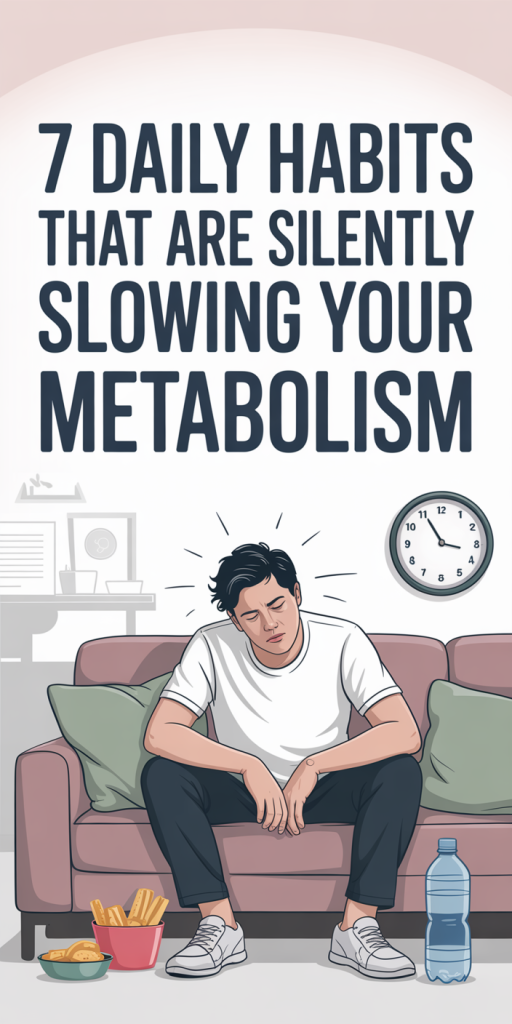
We want our bodies to run efficiently, burning fuel, supporting activity, and keeping energy stable through the day. Yet many of us unknowingly practice daily habits that quietly drag our metabolic rate down. In this text we’ll walk through seven common, fixable habits that are silently slowing your metabolism, explain the biology behind each, and give practical, research-backed steps you can start using this week. No extreme diets, no gimmicks, just sensible changes that protect and restore metabolism in 2026 and beyond.
How Metabolism Really Works: The Basics You Need To Know
What Metabolic Rate Includes
Metabolism isn’t a single number, it’s the sum of several processes that use energy. Resting metabolic rate (RMR) is the energy our bodies need at rest to keep the heart beating, lungs breathing, cells repairing, and organs functioning. Thermic effect of food (TEF) is the energy spent digesting and absorbing what we eat. Finally, activity energy expenditure covers exercise plus all the tiny movements throughout the day.
Together, RMR + TEF + activity energy expenditure = total daily energy expenditure (TDEE). When we talk about “slowing metabolism,” we usually mean a drop in RMR or an overall reduction in TDEE that makes weight maintenance harder and energy lower.
Factors That Naturally Influence Your Metabolism
Several variables shape metabolic rate, and many are outside short-term control: age, sex, genetic predisposition, and body composition. Men typically have higher RMR than women because of greater lean mass: RMR declines modestly with age due to lower muscle mass and hormonal shifts. Health conditions (like hypothyroidism) or medications can also change metabolic rate.
But there’s good news: lifestyle factors, what we eat, how much muscle we carry, how active we are, how well we sleep, and how we manage stress, can significantly influence metabolism and are within our control.
How Small Daily Choices Add Up Over Time
Metabolic adaptations are cumulative. A week of calorie restriction and skipped strength sessions may not feel catastrophic, but months or years of poor choices compound. Small deficits in daily energy burn (skipping NEAT opportunities, sitting more) and chronic behaviors (undereating, poor sleep, stress) can lower our RMR and make it harder to lose fat or maintain lean mass.
Our goal is to identify the silent leaks, those everyday habits that chip away at metabolic health, and replace them with practices that preserve muscle, stabilize hormones, and keep our daily energy needs higher.
Habit 1: Chronically Low-Calorie Eating
Why Severe Calorie Restriction Slows Metabolism
When we chronically underfuel, our bodies adapt to conserve energy. Metabolic rate drops as thyroid hormones shift, sympathetic nervous system activity decreases, and reproductive and growth-related processes are downregulated. The body prefers survival over performance, so it becomes more efficient with fewer calories.
This adaptive thermogenesis explains why long-term or repeated drastic diets often lead to plateaus, persistent hunger, and weight regain once normal eating resumes.
Signs You Might Be Undereating
- Persistent fatigue, even though “eating clean”
- Cold intolerance (hands/feet always cold)
- Hair thinning or brittle nails
- Loss of menstrual cycles or decreased libido
- Stalled weight loss even though low calorie intake
If these are familiar, it’s likely our metabolism is taxed by insufficient energy or lacking key nutrients.
Practical Adjustments: Refeeds, Protein Targets, And Sustainable Deficits
We don’t need to abandon calorie control to protect metabolism, we just need smarter strategies.
- Aim for moderate, sustainable deficits (about 10–20% below maintenance) rather than extreme restriction. That reduces metabolic downregulation and preserves performance.
- Prioritize protein: target roughly 0.7–1.0 grams per pound of body weight (1.5–2.2 g/kg) depending on activity level. Protein supports muscle retention and has a higher thermic effect than fats or carbs.
- Carry out structured refeeds every 1–2 weeks when in a deficit (higher carbohydrate days) to temporarily increase leptin and thyroid signals and provide psychological relief.
- Ensure micronutrient adequacy, iron, zinc, iodine, selenium, vitamin D, as deficiencies worsen metabolic adaptations.
Small, consistent changes beat heroic short-term sacrifices. We want to lose fat (if that’s the goal) while protecting lean mass and metabolic rate.
Habit 2: Skipping Strength Training
How Muscle Mass Affects Resting Metabolic Rate
Muscle tissue is metabolically active. While the exact calories burned per pound of muscle at rest is modest, higher lean mass raises RMR and provides a larger base for energy expenditure during activity. More importantly, muscle improves glucose disposal, supports hormonal balance, and allows us to work harder during daily tasks and exercise, indirectly boosting TDEE.
Skipping strength work means we’re forfeiting one of the most powerful, controllable levers to sustain metabolism as we age.
Simple Strength Sessions You Can Do Weekly
We don’t have to lift like a powerlifter to get benefits. Effective options include:
- Two to three full-body strength sessions per week (30–45 minutes). Focus on compound movements: squats/hinges (deadlifts or kettlebell swings), pushes (push-ups, bench), pulls (rows, pull-downs), and core/bracing work.
- Bodyweight-friendly circuits: 3 rounds of 8–12 reps per exercise with minimal rest.
- Progressive overload: add reps, weight, or sets gradually to stimulate adaptation.
Consistency matters more than intensity for most people. Twice-weekly strength training produces measurable improvements in lean mass and metabolic markers.
Progression Tips For Busy People
- Use short, focused sessions: 20–30 minutes of quality work is better than an unfocused hour.
- Schedule strength sessions like appointments, put them in our calendar first thing or during a consistent window.
- Combine with daily movement: a strength session plus higher NEAT days amplifies results.
- If time is limited, prioritize multi-joint lifts and move at a steady but controlled tempo to keep time under tension high.
Habit 3: Too Little Daily Movement
NEAT (Nonexercise Activity Thermogenesis) And Its Impact
NEAT is the energy we expend outside formal exercise, walking between meetings, fidgeting, standing, taking stairs. NEAT can vary by hundreds of calories per day between people. When we sit for long stretches, that calorie gap widens and contributes to a lower total daily energy expenditure.
Importantly, NEAT is one of the easiest elements to boost without stress: small changes add up.
Small Changes To Increase Daily Burn
- Stand or walk during phone calls.
- Park farther away, take stairs, or walk to nearby errands.
- Use a standing desk or alternating sit/stand setup, aim to change posture every 30–60 minutes.
- Set hourly movement reminders: a 3–5 minute walk or mobility sequence breaks prolonged sitting and adds steps.
These tweaks raise daily caloric burn and improve glucose regulation and circulation, benefits independent of formal workouts.
Tracking Movement Without Obsession
We should track movement as a guide, not a master. A wearable step goal (7,000–10,000 steps/day) can be motivating but adjust targets to our baseline. Weekly averages are more meaningful than single-day highs. If we find ourselves fixated on numbers, switch to behavior-based goals (stand every hour, move for 5 minutes each hour) to reduce anxiety and improve adherence.
Habit 4: Poor Sleep Quality And Irregular Sleep Schedule
How Sleep Loss Disrupts Hormones And Metabolism
Sleep is when the body repairs, balances hormones, and consolidates energy systems. Chronic short or fragmented sleep raises ghrelin (hunger hormone), lowers leptin (satiety), impairs insulin sensitivity, and increases evening cortisol. Together, these changes encourage overeating, fat storage, and reduced energy availability for physical work.
Irregular sleep timing, variable bed and wake times, also disrupts circadian rhythms that regulate glucose metabolism and appetite.
Practical Sleep Hygiene To Support Metabolic Health
- Prioritize consistent bed and wake times, even on weekends. Small routines anchor circadian rhythms.
- Create a wind-down routine 30–60 minutes before bed: dim lights, stop screens or use blue-light filters, and choose relaxing activities (reading, light stretching, breathing).
- Keep the bedroom cool, dark, and quiet. Temperature around 65°F (18°C) is often ideal for sleep onset.
- Limit caffeine after mid-afternoon and avoid large meals within two hours of bedtime.
Even modest improvements in sleep duration and regularity improve insulin sensitivity and appetite control, and those changes support a healthier metabolism.
When To Seek Professional Help
If we struggle with persistent insomnia, loud snoring with daytime sleepiness (possible sleep apnea), or other sleep disorders that don’t improve with hygiene adjustments, it’s time to consult a sleep specialist or our primary care provider. Untreated sleep disorders can have substantial metabolic and cardiovascular consequences.
Habit 5: Chronic Stress And Constant Cortisol Activation
The Metabolic Effects Of Long-Term Stress
Acute stress triggers adaptive responses, increased alertness and temporary energy mobilization. Chronic stress, but, keeps cortisol elevated and shifts metabolism toward visceral fat storage, impairs glucose regulation, and disrupts appetite signals. Over time, persistent stress blunts recovery, reduces motivation to move, and makes it harder to maintain or build muscle.
We often underestimate the metabolic cost of unaddressed psychological stress, it’s a silent driver of weight gain and metabolic dysfunction.
Daily Stress-Reduction Tools That Work
- Brief mindfulness or breathwork sessions (5–10 minutes) each day reduce sympathetic arousal and lower cortisol spikes.
- Short, brisk walks outdoors combine physical activity with the mood benefits of sunlight and nature exposure.
- Progressive muscle relaxation or body scans before bed improve sleep and recovery.
- Time-blocking and small boundary-setting (e.g., email-free evenings) reduce chronic cognitive load.
Consistency is key: small daily practices beat occasional long sessions.
How To Build A Stress-Resilient Routine
- Schedule recovery like training: plan active recovery days, quality sleep, and short relaxation breaks.
- Build social support, talking through stressors with friends or family reduces perceived burden.
- Identify controllable vs uncontrollable stressors: focus effort on the former and reframe or accept the latter.
- Consider working with a therapist, coach, or stress-management program for persistent or complex stress patterns.
Habit 6: Overreliance On Highly Processed, Low-Protein Foods
Why Protein, Fiber, And Whole Foods Boost Metabolism
Whole foods, especially protein-rich choices, increase TEF, our body uses more energy digesting protein than carbs or fat. Protein also preserves muscle during weight loss and keeps us fuller longer, reducing overeating. Fiber stabilizes blood sugar and aids satiety: minimally processed foods tend to be more nutrient-dense and less calorie-dense.
By contrast, ultra-processed foods are calorie-dense, low in satiety, and easy to overconsume, a metabolic liability when they become routine.
Meal Swaps And Easy High-Protein Options
Small swaps make big differences:
- Swap cereal or pastries for Greek yogurt with berries and nuts, or a veggie omelet.
- Choose legumes, fish, lean poultry, tofu, or cottage cheese as protein anchors for meals.
- Add a scoop of protein powder to smoothies or oats for a quick protein bump.
- Incorporate high-fiber sides: lentils, beans, whole grains, or steamed vegetables.
These changes raise protein and fiber intake without complicated meal plans.
How To Read Labels To Avoid Hidden Metabolism Killers
- Check the ingredient list: the fewer and more recognizable the ingredients, the better.
- Watch added sugars and refined starches, they spike blood glucose and promote fat storage.
- Compare protein per serving: processed “meal” bars often look healthy but can be low in protein and high in added sugar.
We don’t need perfect choices every meal, but making whole-food, higher-protein choices most of the time supports a higher daily energy expenditure and better appetite control.
Habit 7: Excessive Sitting And Poor Posture
How Sedentary Behavior Reduces Daily Energy Expenditure
Sitting for prolonged periods not only lowers NEAT but also alters muscle activation patterns and circulation. Over time, sedentary behavior can reduce step count, blunt insulin sensitivity, and encourage postural changes that make movement less efficient. Even for people who exercise, the rest of the day’s inactivity can erode metabolic and cardiovascular benefits.
Microhabits To Break Up Sitting And Improve Movement Quality
- Set a timer to stand and move for 3–5 minutes every 30–60 minutes.
- Use walk-and-talk meetings where practical.
- Incorporate brief mobility flows, hip hinges, thoracic rotations, and calf raises, to re-engage major muscle groups.
- Alternate sitting with standing using a sit-stand desk: transition gradually to avoid discomfort.
These microhabits reclaim calories and keep joints and muscles primed for larger movements.
Posture Cues And Mobility Drills To Support Metabolic Activity
- Posture cues: imagine a string pulling the crown of the head upward, soften the shoulders, slightly engage the glutes when sitting.
- Mobility drills (2–3 minutes each session): deep squat holds, glute bridges, cat-cow spinal mobility, and ankle dorsiflexion drills.
- Strengthen posterior chain muscles (glutes, hamstrings, back) in our strength sessions to counteract sitting-related weakness.
Improved posture and mobility make everyday movement easier and more metabolically costly, in a good way.
Putting Changes Into Practice: A 4-Week Metabolism Recovery Plan
Week-By-Week Focuses And Small Wins
Week 1, Foundations: Sleep and Movement
- Set consistent sleep and wake times.
- Add three 5-minute hourly movement breaks each workday.
- Track baseline protein intake and increase by 10–20 grams per day.
Small win: notice improved daytime energy within days.
Week 2, Strength and Nutrition Refinement
- Begin two full-body strength sessions (20–30 minutes) this week.
- Replace two ultra-processed meals with whole-food, protein-forward options.
- Schedule one higher-carb refeed day if in a calorie deficit.
Small win: clothes may start to fit differently and perceived energy during workouts improves.
Week 3, Stress and NEAT Optimization
- Add a daily 5–10 minute mindfulness or breathing practice.
- Increase NEAT goals: add a 15–20 minute walk 4 times this week.
- Keep prioritizing protein and consistent sleep schedule.
Small win: improved mood, fewer late-night cravings.
Week 4, Consolidate and Personalize
- Progress strength sessions by adding a set or increasing load slightly.
- Choose sustainable habits from weeks 1–3 to carry forward.
- Re-evaluate calorie targets: adjust if energy levels are poor or performance dropped.
Small win: clearer sense of which habits are sustainable for long-term metabolic health.
How To Track Progress Without Scale Obsession
- Use non-scale metrics: energy levels, sleep quality, strength gains (more reps/weight), clothes fit, and mood.
- Track weekly averages for steps and sleep rather than daily spikes.
- If weight monitoring is useful, check once a week at the same time and context (e.g., morning, fasted).
This approach reduces anxiety and emphasizes functional, sustainable improvements.
When To Adjust Pace Or Seek Professional Guidance
- If we feel persistently low-energy even though adequate calories and sleep, or if menstrual function declines, consult a clinician to rule out hormonal or thyroid issues.
- For complex weight-history, disordered eating, or chronic stress that’s resistant to self-directed changes, seek a multidisciplinary team: dietitian, therapist, and physician.
Recovery of metabolic health is rarely linear. We should expect fluctuations and celebrate incremental wins rather than chasing perfection.
Conclusion
Metabolism isn’t a mysterious enemy, it’s a dynamic system shaped by measurable daily choices. By recognizing and correcting the seven habits above, we preserve lean mass, support hormonal balance, and increase daily energy expenditure without extreme measures. Start small: improve sleep, prioritize protein, add two strength sessions, and move more through the day. Over four weeks you’ll create momentum: over months, those changes compound into meaningful metabolic resilience.
We don’t have to overhaul everything at once. Pick one habit to fix this week, another next week, and watch how steady, sensible choices restore the metabolism we want for 2026 and beyond.
Want More From Nick?
Join The Health-First Fat Loss Club
✓ All 16+ Programs
✓ Private Community
✓ Weekly New Content
✓ Cancel Anytime
Nick Garcia
Health & Nutrition Expert · 15+ Years Experience