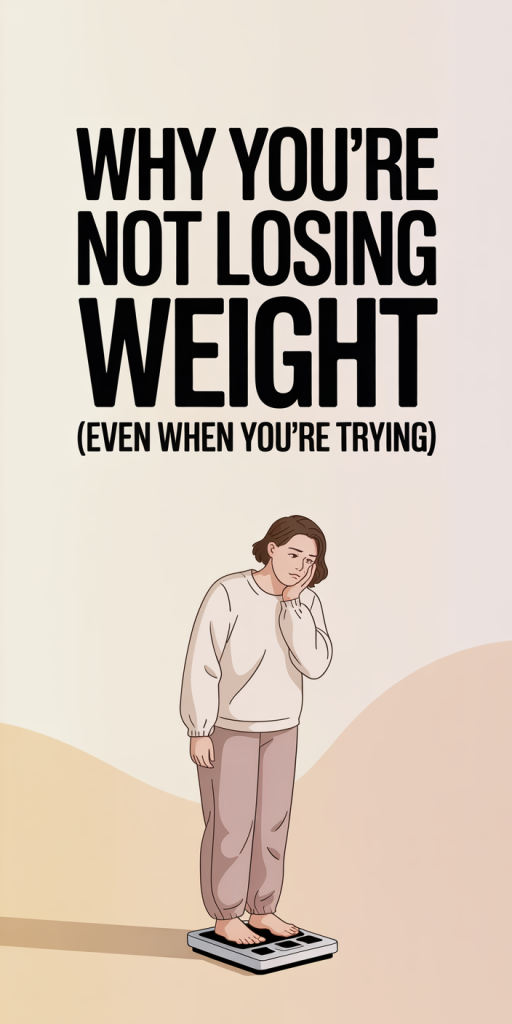
We’ve all been there: diligent with workouts, trying to eat better, yet the scale refuses to budge. Frustration sets in, motivation dips, and we start questioning what we’re doing wrong. The truth is weight loss is rarely linear and rarely down to a single mistake. Multiple interacting factors, from calories and hormones to sleep, stress, medications, and the way we track progress, can quietly sabotage our efforts. In this text we’ll walk through 12 science-backed reasons you might not be losing weight and, more importantly, practical steps to fix each one. Think of this as a troubleshooting checklist: diagnose, adjust, and move forward with smarter strategies.
How Weight Loss Really Works: A Quick Framework
At its core, weight loss comes down to energy balance: calories in versus calories out. If we consume fewer calories than we burn over time, we lose weight. But that simple framework hides complexity, food quality, satiety, hormones, body composition, non-exercise activity, and psychological factors all influence that balance.
Calories in: This is our food and drink. Portions matter, but so do macronutrient composition and meal timing for hunger control and muscle preservation. Calories out: Basal metabolic rate (BMR) fuels organ function, thermic effect of food (TEF) covers digestion, activity thermogenesis includes formal exercise and daily movement, and adaptive thermogenesis is the body’s metabolic response to weight changes.
We need to treat weight loss like a systems problem. Rather than blaming willpower, we examine where the system leaks: are we unknowingly eating more, burning less, stressed into overeating, or on medications that change weight? By breaking the process into components, we can target the most likely causes and make practical fixes that stack together for reliable progress.
Common Dietary Mistakes That Sabotage Progress
Food choices are the most direct lever for weight loss, but common errors often negate efforts. Below are the frequent dietary mistakes we see and how to correct them.
Underestimating Calories And Portion Sizes
We tend to misjudge portions, especially with calorie-dense foods. A “small” handful of nuts, a few extra tablespoons of olive oil, or second servings add up quickly. Research shows people can underestimate calories by 20–50% at a meal.
What to do: Measure servings for a week with a food scale or measuring cups to recalibrate your eye. Track consistently, not forever, but until you internalize typical portion sizes. Use simple rules: plate half vegetables, a quarter lean protein, a quarter whole grains/starchy carb. That visual method helps control portions without constant weighing.
Hidden Calories In Drinks, Sauces, And Snacks
Beverages, dressings, sauces, and “just a bite” snacks are stealth calorie sources. A morning latte, evening glass of wine, and a few tablespoons of sauce can add 300–600 calories daily, enough to stop weight loss.
What to do: Audit your day for liquid calories and condiments. Swap sugary drinks for water, unsweetened tea, or black coffee. Use lower-calorie dressing strategies: vinaigrettes diluted with vinegar/lemon, yogurt-based sauces, or measured portions for high-calorie spreads. Keep a small jar of pre-portioned snacks rather than grazing from large containers.
Overemphasizing “Healthy” Foods Without Tracking Portions
Whole foods are better for health, but “healthy” doesn’t always mean low-calorie. Avocado, nut butters, granola, dried fruit, and olive oil are nutritious but energy-dense. Eating them liberally can stall progress.
What to do: Treat high-calorie healthy foods as ingredients, not unlimited foods. Measure and factor them into your daily calorie target. When hungry, prioritize high-volume, lower-calorie options like vegetables, broth-based soups, and lean proteins to improve fullness per calorie.
Exercise Pitfalls And Why More Movement Doesn’t Always Mean More Loss
Exercise is crucial for health and body composition, but it’s not a free pass to eat anything. Several exercise-related behaviors can blunt weight loss even when we’re active.
Compensating With Extra Food After Workouts
We often deserve a reward after a tough workout and unintentionally overcompensate with calories. A study found people overate post-exercise by more than the calories they burned, especially after high-intensity sessions.
What to do: Pre-plan post-workout snacks and drinks. Choose protein-focused options that support recovery without excess calories (e.g., Greek yogurt with berries, a small protein shake). Track these post-exercise calories for a few weeks to see if they’re undermining your deficit.
Relying Solely On Cardio Or Overtraining
Cardio burns calories but can be less effective for long-term body composition than combining resistance training with moderate cardio. Overdoing cardio also increases injury risk, fatigue, and appetite for some people.
What to do: Balance training: 2–4 resistance sessions per week to preserve or build muscle plus 2–3 cardio sessions of varying intensity. Prioritize progressive overload for strength gains: more muscle helps maintain metabolic rate during weight loss.
Neglecting Strength Training And Muscle Preservation
When we lose weight without preserving muscle, body composition worsens and resting metabolic rate can drop. Strength training is the most reliable way to keep lean mass during a calorie deficit.
What to do: Include compound lifts (squats, deadlifts, rows, presses) or resistance variants that suit your fitness level. Aim to maintain or increase strength where possible. Even simple progressive bodyweight programs can protect muscle during dieting.
Metabolic And Biological Factors That Slow Progress
Biology pushes back against weight loss. Understanding those mechanisms helps us be realistic and choose effective interventions rather than blaming ourselves.
Adaptive Thermogenesis And Weight Loss Plateaus
Adaptive thermogenesis describes how the body reduces energy expenditure in response to dieting. We burn fewer calories than predicted for our new, lighter weight, a natural survival response. That’s why plateaus are common even when adherence is high.
What to do: Recalculate calorie needs as we lose weight and modestly adjust intake or increase activity. Consider planned diet breaks (short periods closer to maintenance calories) to restore energy, hormones, and adherence, research shows these can improve long-term outcomes for some people.
Age, Sex, And Genetic Influences On Metabolism
Metabolism tends to slow with age due to muscle loss and hormonal shifts. Men and women also differ in body composition and fat distribution, meaning identical diets can produce different results. Genetics play a role too, some individuals have higher or lower baseline metabolic rates and appetite signals.
What to do: Focus on what we can control: resistance training to combat age-related muscle loss, protein to preserve lean mass and satiety, and individualized calorie targets. Genetics aren’t destiny, they guide expectations and personalized strategies but don’t remove the possibility of meaningful change.
Hormones That Matter: Thyroid, Insulin, Cortisol, And Sex Hormones
Several hormones influence weight. Low thyroid function (hypothyroidism) reduces metabolic rate: insulin resistance alters how the body stores and uses energy: chronic elevation of cortisol (stress hormone) favors fat accumulation, especially around the abdomen: sex hormones (estrogen, testosterone) affect muscle mass and fat distribution.
What to do: If we suspect hormonal issues, unusual weight gain, hair loss, extreme fatigue, or menstrual irregularities, get evaluated. Many hormonal imbalances are manageable with lifestyle changes or medical treatment, which can restore responsiveness to diet and exercise.
Sleep, Stress, And Mental Health Effects On Weight
Sleep, stress, and mental health are often underrated influences on weight. They shape appetite, food choice, motivation, and physiological systems tied to weight regulation.
How Poor Sleep Alters Appetite And Energy Use
Short sleep increases ghrelin (hunger hormone) and reduces leptin (satiety hormone), leading to greater appetite and cravings for calorie-dense foods. Sleep deprivation also reduces energy for activity and can impair glucose metabolism.
What to do: Prioritize 7–9 hours of quality sleep. Improve sleep hygiene: consistent bed/wake times, reducing screens before bed, limiting caffeine after midday, and creating a dark, cool sleep environment. Even small sleep gains can reduce cravings and improve daily energy.
Stress, Emotional Eating, And Cortisol’s Role
Chronic stress encourages emotional or comfort eating and may increase cortisol levels, which promotes fat storage. Many of us reach for quick energy, sugary or carb-heavy foods, when stressed, creating a feedback loop.
What to do: Build stress management tools: brief breathing exercises, short walks, social support, or hobbies that shift focus. Schedule small, consistent self-care practices: reducing stress improves appetite control and adherence to healthy habits.
When Mental Health Interferes With Consistency
Depression, anxiety, and other mental health conditions affect motivation, sleep, and appetite. They can make consistent habits feel impossible.
What to do: If mental health is undermining our ability to follow a plan, we should seek professional help. Therapy, medication, and community support can enable sustainable behavior change. Addressing mental health isn’t optional, it’s part of the foundation for long-term success.
Medications, Medical Conditions, And Health Barriers
Sometimes the obstacle is medical, not behavioral. Several medications and conditions can cause weight gain or make loss much harder. Identifying these can change the strategy entirely.
Common Medications That Cause Weight Gain Or Block Loss
Antidepressants, antipsychotics, some beta-blockers, certain diabetes medications, and corticosteroids are known to cause weight gain or increased appetite in some people. Not everyone experiences this, but it’s a common culprit.
What to do: Don’t stop medications on your own. If we suspect a drug is affecting weight, discuss alternatives or dose adjustments with the prescribing clinician. Sometimes switching to a weight-neutral option or adding targeted lifestyle strategies can help.
Medical Conditions To Consider: PCOS, Hypothyroidism, And Others
Polycystic ovary syndrome (PCOS) often includes insulin resistance and can make weight loss more difficult. Hypothyroidism slows metabolism. Other conditions, Cushing’s syndrome, sleep apnea, and certain endocrine disorders, also influence weight.
What to do: If weight is unusually resistant even though consistent effort, get evaluated for these conditions. Early diagnosis leads to targeted treatments that improve the effectiveness of diet and exercise.
When To Get Medical Tests And Professional Help
Consider medical testing if we have rapid or unexplained weight gain, symptoms like fatigue or cold intolerance, irregular periods, extreme thirst, or other concerning changes. Basic tests to start: TSH (thyroid-stimulating hormone), fasting glucose/A1c, lipid panel, and possibly hormone panels based on symptoms.
What to do: Work with a primary care clinician or endocrinologist. If medications are contributing, coordinate care between prescribers and weight-management professionals to find the best path forward.
Tracking, Measurement, And Expectation Mistakes
How we measure progress and what we expect can either support persistence or trigger discouragement. Misreading short-term signals often leads to abandoning effective plans too soon.
Relying Only On The Scale: Body Composition And Water Fluctuations
The scale is useful but limited. It doesn’t distinguish fat from muscle, and day-to-day water shifts can mask real progress. Gaining muscle while losing fat can result in no net weight change even though composition improved.
What to do: Use multiple metrics: how clothes fit, progress photos taken consistently, strength gains, and simple circumference measures (waist, hips). Weekly weigh-ins, done after waking and using the restroom, provide more reliable trends than daily weighing for most people.
Inconsistent Tracking And Short-Term Thinking
We often track diligently for a few days, then lapse. Short-term effort yields short-term results: sustainable changes require consistent, long-term habits. Also, expecting rapid weight loss is unrealistic and sets us up for disappointment.
What to do: Commit to consistent tracking for a realistic trial period (6–12 weeks) before deciding if a strategy works. Small daily habits compounded over weeks produce meaningful change. Reframe progress as trends, not daily wins or losses.
Setting Unrealistic Goals And Misreading Progress Signs
Unrealistic timelines or one-size-fits-all goals (e.g., “I must lose 20 pounds in 2 months”) create pressure that harms adherence. Also, we misinterpret small non-scale wins as failures when the body is actually adapting well.
What to do: Set realistic, measurable goals: aim for 0.5–1% body weight loss per week initially, or 1–2 pounds per week as a rough guide for many. Celebrate non-scale victories like improved energy, better sleep, and clothes fitting differently, they matter for long-term success.
Behavioral And Environmental Factors That Undermine Effort
Our environments and habits exert powerful influence over food choices and activity. Changing the surroundings often matters more than relying on willpower alone.
Routine, Habit, And Social Influences On Eating Choices
Habits, our default behaviors, determine most of our daily choices. Social settings also influence intake: we eat more at gatherings or when others are indulging. Recognizing habitual triggers is crucial to change.
What to do: Identify routines that lead to overeating (e.g., snacking while watching TV) and replace them with alternative behaviors (walking, chewing gum, or a low-calorie habit). Communicate goals to friends and family and plan social strategies: suggest activities that don’t center around food, or eat a small meal before dining out to reduce overeating.
Food Environment: Availability, Convenience, And Temptation Management
If high-calorie foods are visible and easy to grab, we’ll eat them. The simplest strategies are environmental: we eat what’s easiest.
What to do: Make healthy choices the path of least resistance. Keep fruits and chopped vegetables at eye level, store treats in opaque containers, and remove large packaging that encourages grazing. When traveling or at work, bring a planned meal or snack to avoid impulsive choices.
Planning, Meal Prep, And Accountability Strategies That Work
Planning reduces decision fatigue and improves adherence. Preparing meals and snacks ahead of time prevents last-minute poor choices. Accountability, via friends, partners, or coaches, increases follow-through.
What to do: Batch-cook proteins and vegetables for several days, pre-portion snacks, and schedule workouts like appointments. Use a tracking app or a simple shared check-in with a friend for accountability. These low-friction systems keep us consistent even on busy weeks.
Practical Fixes: Actionable Steps To Restart Progress
If progress has stalled, we want a clear, practical plan to diagnose and restart momentum. Here are concrete tactics to try in the next 1–4 weeks.
How To Audit Your Diet And Activity In One Week
Run a one-week audit: track everything you eat and drink (use a reliable app), record workouts and steps, and note sleep and stress levels. Don’t change behavior during the audit, just observe.
At week’s end, review for hidden calories, portion drift, high-calorie habits, and days with low movement. This audit reveals where small changes will yield the biggest return. Often fixing two or three leaks is enough to resume steady progress.
Simple Adjustments For Sleep, Stress, And Recovery
Prioritize sleep with a wind-down routine and consistent schedule. Add short, daily stress-relief tools: 5–10 minutes of breathing, a midday walk, or a device-free break. Reduce evening alcohol if it’s disrupting sleep.
From a recovery perspective, schedule at least one full rest or active recovery day per week to avoid overtraining. When we feel physically and mentally recovered, we make better choices and train more effectively.
Designing A Sustainable Workout And Nutrition Plan
Design a plan we can actually stick with: choose foods we enjoy within calorie and protein targets, and pick movement we look forward to. Aim for a moderate calorie deficit, aggressive cuts are hard to maintain and increase muscle loss.
Nutrition rules of thumb: prioritize 0.7–1.0 grams protein per pound of ideal body weight when dieting, include fiber-rich vegetables, and distribute protein across meals. Training blueprint: 2–4 strength sessions, 2–3 cardio or conditioning sessions, and daily low-intensity movement (walking) to increase total energy expenditure.
When To Consider Professional Support: Dietitians, Trainers, And Clinicians
Sometimes the fastest path forward is with professional support. Coaches and clinicians provide accountability, advanced troubleshooting, and medical oversight when needed.
What To Expect From Medical Evaluation And Treatment Options
Medical evaluation can identify endocrine issues, medication effects, or other health barriers. Treatment options might include adjusting medications, treating thyroid dysfunction, addressing sleep apnea, or introducing evidence-based pharmacotherapy for weight when appropriate.
Expect testing to be symptom-driven and personalized. Medical interventions are tools, they work best alongside dietary, activity, sleep, and behavioral strategies.
Working With Coaches: Questions To Ask And Red Flags To Watch For
When hiring a dietitian or trainer, ask about credentials, experience with your goals, and how they personalize plans. Good coaches assess lifestyle, preferences, medical history, and readiness for change.
Watch for red flags: one-size-fits-all meal plans, promises of rapid unrealistic weight loss, lack of willingness to coordinate with medical providers, or overly punitive approaches. The best coaches emphasize sustainability, evidence-based methods, and behavior change skills.
Maintaining Progress: Long-Term Strategies To Prevent Regain
Losing weight is one thing: keeping it off is another. Long-term success relies on flexible habits, monitoring, and adapting to life’s changes.
Building Flexible Habits And A Nonrestrictive Mindset
Rigid rules often lead to burnout and rebound. Instead, cultivate flexibility: allow occasional treats within a pattern that favors health. This reduces the ‘all-or-nothing’ cycles that undermine long-term maintenance.
Practice pragmatic choices: plan indulgences, return to baseline quickly, and focus on consistent patterns rather than perfect days. Over time, this mindset supports both wellbeing and stable weight.
Monitoring Without Obsession: Practical Check-Ins And Metrics
Regular monitoring keeps us on track without becoming obsessive. Weekly weigh-ins, monthly measurements, and quarterly body-composition checks (if desired) are reasonable. Tracking habits, like number of strength sessions per week or sleep hours, can be more meaningful than absolute weight.
Set practical check-in routines: once-weekly weigh-in, weekly plan review, and monthly photos. If weight drifts up by a few pounds, intervene early with small adjustments rather than waiting for larger regain.
Adapting Plans As Life Changes—Pregnancy, Aging, And Stressful Periods
Life stages require plan adaptations. Pregnancy and postpartum need compassionate, medically guided approaches. Aging calls for more emphasis on resistance training and protein. During high-stress periods, prioritize maintenance and mental health instead of aggressive loss.
Accept that goals shift with life. The objective is to maintain core healthy habits and be patient: we can return to more aggressive targets when circumstances stabilize.
Conclusion
If we’re not losing weight even though effort, it rarely comes down to a single failure. More often, multiple small factors, untracked calories, post-workout overeating, insufficient protein and strength training, poor sleep, stress, medications, or unrealistic expectations, interact to stall progress.
Our path forward is practical: audit our intake and activity, correct the most obvious leaks, prioritize sleep and stress management, include resistance training, and seek medical evaluation when warranted. Small, evidence-based adjustments stacked over weeks produce durable change. Let’s troubleshoot systematically, be patient with the process, and lean on professionals when complexity demands it. With consistent, informed steps, we’ll get momentum back and keep it.
Want More From Nick?
Join The Health-First Fat Loss Club
✓ All 16+ Programs
✓ Private Community
✓ Weekly New Content
✓ Cancel Anytime
Nick Garcia
Health & Nutrition Expert · 15+ Years Experience