Chronic stress is one of those invisible forces that quietly reshapes our bodies and our lives. Over months and years, the stress hormone cortisol can push fat toward our midsection, change appetite and sleep, and interfere with the very behaviors we rely on to lose weight. In this text we unpack the science behind cortisol and belly fat, show what the research actually says, and give practical, evidence-based strategies you can start using today. We’ll also lay out an 8-week plan to lower stress and shrink abdominal fat, realistic steps for 2026, when demands on our attention are higher than ever.
What Cortisol Is And Why It Matters For Weight
Cortisol is a steroid hormone produced by the adrenal glands that plays many roles: mobilizing energy, modulating inflammation, and helping us respond to threats. It’s central to the hypothalamic–pituitary–adrenal (HPA) axis, our stress-response system. When cortisol rises, it shifts the body into a state that favors immediate survival: increasing blood sugar, altering how we use fats and proteins, and changing appetite signals.
Because cortisol intersects with metabolism, sleep, mood, and appetite regulation, it has outsized influence on body weight and fat distribution. Short spikes of cortisol are normal and adaptive, they help us run from danger or power through a deadline. But when cortisol stays elevated over weeks or months (chronic exposure), it can impair metabolic health and tip the balance toward fat storage, especially in the abdomen. Understanding that distinction, helpful in the short term, harmful when persistent, is key to addressing stress-related weight gain.
How Stress Triggers Cortisol Release
When we perceive a stressor, the hypothalamus releases corticotropin-releasing hormone (CRH). That signal travels to the pituitary, which releases adrenocorticotropic hormone (ACTH), prompting the adrenals to secrete cortisol. This cascade happens within minutes. Psychological stress (work pressure, relationship strain) activates the same pathway as physical stress (illness, injury). Notably, perceived uncontrollability and social-evaluative threats are especially potent triggers for sustained cortisol responses.
Cortisol’s Role In Energy Balance And Metabolism
Cortisol raises blood glucose by promoting gluconeogenesis (making glucose from non-carbohydrate sources) and by reducing glucose uptake in some tissues. It also affects how we mobilize and store fat and how we break down proteins. These metabolic shifts are adaptive when we need quick energy, but they can worsen insulin resistance and favor fat accumulation over time. Cortisol also interacts with appetite hormones like ghrelin and leptin, nudging us toward calorie-dense foods.
Acute Versus Chronic Cortisol Exposure, Different Effects On Fat
Acute cortisol spikes (think: public speaking, a sprint) typically mobilize energy and can even support fat loss when paired with healthy diet and exercise. Chronic elevation, but, remodels physiology: it increases visceral fat deposition, promotes muscle breakdown, and dysregulates appetite and sleep. So our approach must focus on reducing chronic stress and improving recovery, not eliminating all cortisol, which would be neither possible nor desirable.
Why Cortisol Promotes Belly Fat Specifically
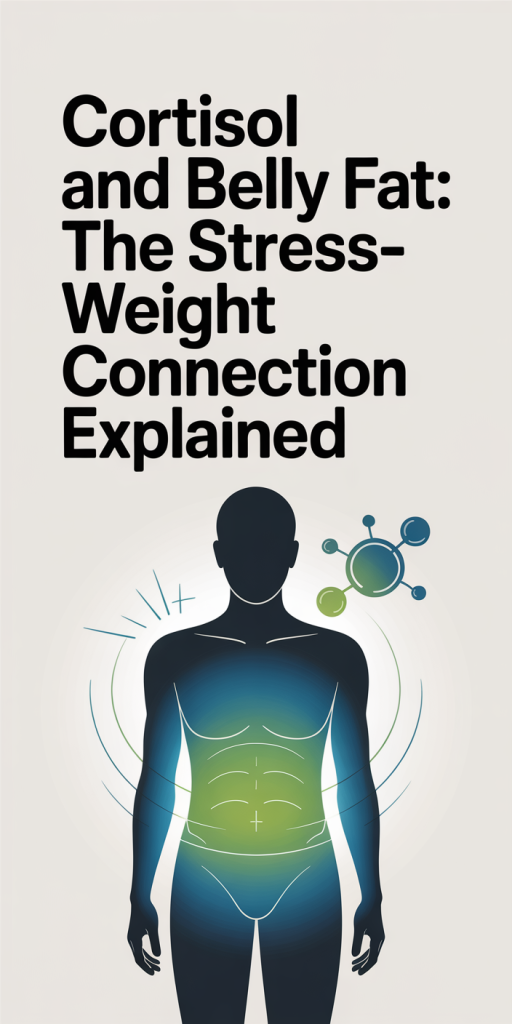
Not all fat is created equal. Cortisol has a peculiar tendency to drive fat toward the abdomen, particularly visceral fat that sits deep around organs. We explain why this happens and why it’s important for health.
Visceral Versus Subcutaneous Fat: What Makes Belly Fat Dangerous
Subcutaneous fat lies under the skin and is generally less metabolically active. Visceral fat, by contrast, surrounds organs in the abdominal cavity and releases inflammatory molecules and hormones that can disrupt metabolism. High visceral fat is linked with increased risk of type 2 diabetes, cardiovascular disease, and certain cancers. That’s why ‘belly fat’ is not just cosmetic, it’s a marker of metabolic risk.
Mechanisms Linking Cortisol To Visceral Fat Accumulation
There are several overlapping mechanisms:
- Cortisol receptors (glucocorticoid receptors) are more plentiful in visceral fat cells, making these depots more sensitive to cortisol’s effects.
- Cortisol stimulates enzymes such as lipoprotein lipase in visceral fat, which promotes fat uptake and storage.
- Cortisol increases the activity of 11β-HSD1 enzyme in fat tissue, which locally regenerates active cortisol from inactive forms, amplifying effects within abdominal fat.
- Combined with insulin, cortisol creates a hormonal environment that favors fat deposition over breakdown.
These mechanisms explain why two people with similar calories in/out can have very different fat distributions depending on their stress biology.
How Cortisol Alters Appetite, Cravings, And Food Reward Pathways
Cortisol interacts with appetite-regulating pathways in the brain. It elevates ghrelin (hunger hormone) and can reduce sensitivity to leptin (satiety hormone). It also amplifies the brain’s reward response to high-fat and high-sugar foods, making comfort eating more likely during stress. Over time, this cycle, stress, cortisol, cravings, consumption of calorie-dense foods, accelerates visceral fat gain.
Other Biological Factors That Amplify Cortisol’s Effect (Insulin, Sex Hormones, Sleep)
Cortisol doesn’t act alone. Several biological factors interact with cortisol to determine how our bodies store fat.
- Insulin: Elevated insulin promotes fat storage, and when cortisol raises blood glucose, insulin follows. The pair, high cortisol and high insulin, particularly favors visceral fat accumulation.
- Sex hormones: Estrogen tends to protect against central fat accumulation, which is why premenopausal women often store more fat peripherally (hips, thighs). As estrogen declines in menopause, the protective effect lessens and cortisol’s influence on abdominal fat grows. Testosterone in men also affects fat distribution: lower testosterone is associated with increased visceral fat.
- Sleep: Short or fragmented sleep raises cortisol and insulin levels, increases hunger and craving, and reduces energy for physical activity. Chronic poor sleep magnifies cortisol’s metabolic consequences.
- Inflammation: Chronic low-grade inflammation and cortisol interact bidirectionally, influencing adipose tissue behavior and systemic metabolism.
Recognizing these interactions helps us design targeted interventions that address multiple axes at once, for example, improving sleep and reducing sugar intake will blunt both cortisol and insulin-driven fat storage.
Evidence From Research: What Studies Say About Stress, Cortisol, And Abdominal Fat
We want to be clear about what science supports and where questions remain. The literature has converging lines of evidence linking stress and cortisol with abdominal fat, but it’s nuanced.
Key Human Studies And What They Show
- Cross-sectional studies often find associations between self-reported chronic stress or elevated cortisol (measured in saliva, blood, or hair) and greater waist circumference or higher visceral fat on imaging. Hair cortisol, which reflects long-term exposure, has been particularly useful in recent research.
- Prospective studies indicate that high perceived stress predicts increases in abdominal adiposity over time, even after adjusting for diet and physical activity.
- Interventional trials show that stress-reduction programs (like mindfulness-based stress reduction) can modestly reduce cortisol levels and improve some metabolic markers: randomized trials with abdominal fat as a primary outcome are fewer but suggest benefit when stress reduction is combined with lifestyle changes.
- Clinical observations in conditions of cortisol excess (Cushing’s syndrome) provide strong causal evidence: patients with chronically high cortisol develop marked central obesity.
Taken together, these studies support the biologic plausibility and real-world relevance of cortisol-driven abdominal fat gain.
Limitations, Confounders, And Where Evidence Is Still Unclear
- Measurement challenges: Cortisol fluctuates daily: single blood measures can be misleading. Hair and serial saliva samples are better but not always used.
- Reverse causation and confounding: Obesity, poor sleep, and metabolic disease can themselves raise stress and cortisol, making directionality complex.
- Heterogeneity: Individual differences (genetics, early-life stress exposure, sex, age) modulate responses, not everyone who is stressed gains belly fat.
- Interventions: While stress reduction shows promise, translating cortisol changes into meaningful, sustained reductions in visceral fat needs more long-term trials.
Even though these caveats, the preponderance of evidence supports addressing chronic stress as part of a comprehensive approach to reducing abdominal fat.
Practical Signs You Might Have Stress-Related Belly Fat
Not all belly fat is primarily stress-related, but certain patterns and symptoms raise the likelihood.
Lifestyle And Medical Factors To Watch For
- Rapid midsection weight gain during a period of sustained stress (caregiving, job loss, prolonged deadlines).
- Increased cravings for sweets and high-fat foods, especially in the evening.
- Sleep problems: difficulty falling asleep, waking up multiple times, or non-restorative sleep.
- Persistent fatigue even though adequate sleep time.
- Family or personal history of metabolic disease, or lab abnormalities like elevated fasting glucose or triglycerides.
- Signs of cortisol excess: thinning skin, easy bruising, muscle weakness, or mood disturbances, though these suggest clinically significant cortisol disorders.
If these patterns ring true, there’s a good chance stress and cortisol are contributing to abdominal weight.
When To Talk To A Healthcare Provider Or Get Testing
See a provider if you notice:
- Rapid, unexplained weight gain focused on the trunk.
- Physical signs like purple stretch marks, easy bruising, or proximal muscle weakness.
- Severe sleep disruption, mental health decline, or inability to function.
A clinician may order tests such as late-night salivary cortisol, 24-hour urinary free cortisol, or even hair cortisol in specialized settings. They’ll also screen for secondary causes (thyroid disease, polycystic ovary syndrome, Cushing’s syndrome) and assess cardiometabolic risk factors.
Evidence-Based Strategies To Reduce Cortisol And Belly Fat
Our approach should be multifaceted: stress reduction, sleep, nutrition, exercise, and targeted medical care when necessary. Below we break down practical, evidence-backed options.
Stress-Reduction Techniques That Lower Cortisol (Mindfulness, CBT, Breathing)
- Mindfulness-based practices (MBSR): Studies show consistent reductions in perceived stress and modest decreases in cortisol. Even short daily practice (10–20 minutes) can help.
- Cognitive-behavioral therapy (CBT): Effective for reducing chronic stress and improving coping, which can indirectly lower cortisol and change stress-eating behaviors.
- Diaphragmatic breathing and HRV biofeedback: Slow, deep breathing reduces sympathetic arousal and can lower cortisol acutely.
- Social support and counseling: Strong social ties buffer stress responses: therapy to process chronic stressors reduces physiological wear-and-tear.
We recommend experimenting to find one or two techniques that fit your life, consistency matters more than variety.
Sleep Optimization And Its Powerful Effect On Cortisol Regulation
- Aim for regular timing: consistent bed and wake times anchor circadian regulation of cortisol.
- Prioritize sleep duration (7–9 hours for most adults) and sleep quality: treat sleep apnea, reduce late-night screens, and create a dark, cool bedroom.
- Address sleep hygiene: caffeine timing, evening routines, and limiting alcohol, which disrupts sleep architecture and cortisol rhythms.
Improved sleep not only lowers cortisol but also reduces hunger, improves insulin sensitivity, and boosts exercise capacity.
Dietary Approaches To Support Cortisol Balance And Reduce Abdominal Fat
- Emphasize whole foods: lean proteins, fiber-rich vegetables, whole grains, healthy fats (olive oil, nuts, fatty fish).
- Avoid chronic high sugar and highly processed foods that spike insulin and amplify stress-eating.
- Time meals: some evidence suggests that irregular eating and late-night calorie intake worsen metabolic markers: aim for an eating window that supports your sleep and activity schedule.
- Manage caffeine: moderate intake earlier in the day is usually fine, but excessive late caffeine can increase cortisol and disturb sleep.
Small, sustainable shifts beat dramatic, short-lived diets, especially when stress is the driver.
Exercise: Which Types Help Most (Aerobic, Strength, HIIT) And How To Avoid Overtraining
- Aerobic exercise (brisk walking, cycling) reduces visceral fat and improves HPA-axis regulation.
- Strength training preserves or builds lean mass, which raises resting metabolic rate and helps counteract cortisol-driven muscle breakdown.
- HIIT can be effective for reducing abdominal fat but is also a potent stressor: use HIIT judiciously and ensure adequate recovery.
- Avoid chronic overtraining: excessive volume without recovery elevates cortisol and undermines gains. We recommend a balanced program: 3–5 sessions/week combining aerobic and strength work, with rest days.
Targeted Medical Or Therapeutic Options (When Lifestyle Isn’t Enough)
- Pharmacologic treatment is appropriate in specific cases: for confirmed endocrine disorders like Cushing’s syndrome, or when metabolic disease requires medication (metformin, statins, antihypertensives).
- Off-label approaches to lower cortisol directly are limited and not generally recommended without specialist oversight.
- Behavioral health interventions (extended CBT, psychiatric care) are sometimes necessary when stress, anxiety, or depression are significant drivers.
Coordination between primary care, endocrinology, and behavioral health gives the best outcomes when lifestyle changes alone aren’t sufficient.
Practical 8-Week Plan To Lower Stress And Shrink Belly Fat (Weekly Focus Items)
We designed the plan to be realistic and cumulative: small wins build confidence and create sustainable change. Assume baseline fitness is low-to-moderate: adapt intensity to your level.
Week 1: Foundation
- Habit focus: establish consistent sleep schedule (same bedtime/wake time within 30 minutes).
- Stress tool: 5–10 minutes of diaphragmatic breathing each morning and evening.
- Movement: 20–30 minutes brisk walking on 4 days.
- Nutrition: increase vegetables, reduce sugary drinks.
Week 2: Build Consistency
- Habit focus: extend nightly sleep routine: eliminate screens 30–60 minutes before bed.
- Stress tool: add a 10-minute guided mindfulness practice daily.
- Movement: introduce two 20–30 minute strength sessions (bodyweight or light weights).
- Nutrition: regularize meal timing, avoid late-night eating after 9 pm if possible.
Week 3: Intensify Recovery
- Habit focus: assess and treat sleep disruptions: consider a sleep tracker for patterns.
- Stress tool: try HRV breathing or progressive muscle relaxation.
- Movement: maintain walking and strength: add one moderate aerobic session.
- Nutrition: reduce processed carbs: prioritize protein at each meal.
Week 4: Stress Cognition
- Habit focus: carry out a short end-of-day reflection (3 things that went well) to lower rumination.
- Stress tool: try CBT-based journaling for identifying stress triggers.
- Movement: introduce one HIIT session of 10–15 minutes if recovery is adequate.
- Nutrition: experiment with meal prepping to reduce decision fatigue.
Week 5: Social & Emotional Support
- Habit focus: schedule one social connection activity (call, coffee) to bolster support.
- Stress tool: consider 4–6 sessions of individual or group therapy if stress is chronic.
- Movement: continue mixed exercise routine: prioritize technique and recovery.
- Nutrition: monitor alcohol, aim for reduction or abstinence on most nights.
Week 6: Lab & Metric Check-In
- Habit focus: review sleep and activity data: adjust as needed.
- Stress tool: refine most effective stress technique and make it daily.
- Movement: increase strength session intensity modestly.
- Nutrition: track portions and quality for 3 days to surface patterns.
Week 7: Consolidation
- Habit focus: commit to consistent routines, sleep, meals, movement.
- Stress tool: integrate mindfulness into daily tasks (walking, eating).
- Movement: maintain balance: add mobility or yoga session for stress relief.
- Nutrition: solidify whole-food habits: reduce processed snacks.
Week 8: Evaluation & Next Steps
- Habit focus: review progress: set reasonable goals for the next 8–12 weeks.
- Stress tool: plan for long-term integration of best techniques.
- Movement: schedule a new fitness goal (e.g., 5k, strength milestone).
- Nutrition: plan sustainable menu patterns for continued improvement.
Daily Habits, Sample Week, And Progress Metrics To Track
Daily habits: 7–9 hours sleep, 10 minutes mindfulness, balanced meals, 30–60 minutes total movement.
Sample week: 4 brisk walks (30–45 minutes), 2 strength sessions (30 minutes), 1 low-intensity recovery day (yoga or mobility).
Metrics to track: waist circumference, resting energy/fatigue levels, sleep duration/quality, mood/stress rating, and body weight or composition if available. Use weekly measurements for waist and a simple daily log for sleep and stress.
Common Pitfalls And How To Stay Consistent
- Pitfall: trying too many changes at once. Fix: prioritize 1–2 habits and scale gradually.
- Pitfall: interpreting short-term weight fluctuations as failure. Fix: focus on waist measurements, sleep, and energy as better short-term feedback.
- Pitfall: relapse during high-stress periods. Fix: have a mini-plan (shorter breathing sessions, walk breaks) to stay afloat.
Consistency beats intensity for long-term change. We aim for steady, maintainable improvements rather than perfection.
Special Considerations: Women, Menopause, Aging, And Chronic Conditions
Different life stages and chronic conditions change how cortisol affects fat distribution, so interventions should be personalized.
- Women and menopause: As estrogen declines during perimenopause and menopause, fat tends to shift centrally. Combined approaches, addressing sleep, resistance training, and dietary protein, can mitigate this shift. Hormone replacement therapy may help some women but requires individualized risk–benefit discussion.
- Aging: Sarcopenia (age-related muscle loss) interacts with cortisol to lower resting metabolic rate and promote fat gain. Strength training and adequate protein intake are essential as we age.
- Chronic conditions: Diabetes, metabolic syndrome, and depression both influence and are influenced by cortisol. Coordinated care that addresses metabolic control and mental health yields the best results.
Medications, Hormonal Disorders, And When Cortisol Is A Symptom Not The Cause
Some medications (glucocorticoids like prednisone) directly increase cortisol exposure and can cause central weight gain, in these cases, the medication is the cause and alternatives should be discussed with prescribers. Endocrine disorders like Cushing’s disease cause pathologic cortisol excess and need specialist evaluation. Conversely, elevated abdominal fat can itself dysregulate cortisol and insulin: sometimes cortisol is a symptom of broader metabolic dysregulation rather than the primary cause. We recommend a thorough clinical evaluation when signs point beyond lifestyle-driven stress.
Conclusion
Cortisol is a powerful mediator between stress and belly fat, but it’s not destiny. When we combine stress-reduction techniques, sleep optimization, balanced nutrition, and a smart exercise program, we can blunt cortisol’s worst effects and reduce visceral fat over time. For many people, modest, consistent changes produce meaningful improvements in waist size, metabolic markers, and well-being.
In 2026, with rising demands and distractions, prioritizing recovery and resilience is more important than ever. Start with small, sustainable habits, track progress with waist measurements and sleep, and seek medical evaluation when weight gain is rapid or accompanied by other worrying signs. We don’t have to accept stress-driven belly fat as inevitable, with the right plan and patience, we can tilt biology back in our favor.
Want More From Nick?
Join The Health-First Fat Loss Club
✓ All 16+ Programs
✓ Private Community
✓ Weekly New Content
✓ Cancel Anytime
Nick Garcia
Health & Nutrition Expert · 15+ Years Experience