Our hormones run almost every system in the body: appetite, fat storage, sleep, stress response, and yes, how fast we burn calories. Food is one of the most powerful levers we control, and certain everyday items quietly push our hormones out of balance and slow metabolic rate. In this text we lay out the nine foods that most commonly disrupt hormones, explain exactly what they do inside the body, and give practical, evidence-based swaps and a full 7-day reset plan so you can get back on track quickly. This isn’t about perfection, it’s about removing the biggest hormonal saboteurs so our metabolism can work the way it’s supposed to.
How Diet Drives Hormone Balance And Metabolic Rate
Food is information. When we eat, nutrients and non-nutrients signal pathways that control insulin, cortisol, thyroid hormones, sex hormones (estrogen, progesterone, testosterone), and leptin and ghrelin, the appetite regulators. Collectively, these signals determine whether we store energy, burn it, or feel hungry.
Insulin is the single most metabolism-shaping hormone. Repeated spikes from high-sugar or refined-carb meals promote fat storage, blunt fat-burning, and over time cause insulin resistance, where cells ignore insulin and the pancreas ramps up production. That chronic state raises inflammation and dysregulates other hormones.
Cortisol, our stress hormone, follows a diurnal rhythm: high in the morning, lower at night. Diets high in added sugars, caffeine, or excessive alcohol can blunt that rhythm, leaving cortisol elevated in the evening. Elevated cortisol promotes central fat gain, worsens sleep, and interferes with thyroid hormone conversion, the latter being a direct hit to basal metabolic rate.
Thyroid hormones regulate the speed of cellular metabolism. Without enough iodine, selenium, protein, or with excess endocrine disruptors, thyroid function can drop. Sex hormones are sensitive to body fat, insulin levels, and exposures to certain fats and chemicals: imbalances can change menstrual cycles, libido, and muscle mass, again affecting metabolism.
We don’t need to eliminate all potentially harmful foods forever. But understanding how specific foods push these hormonal levers helps us prioritize changes that yield the biggest metabolic gains. Below we give a quick overview of the nine offenders, then unpack how each one acts in the body and what to do instead.
The 9 Foods To Avoid (Quick Overview)
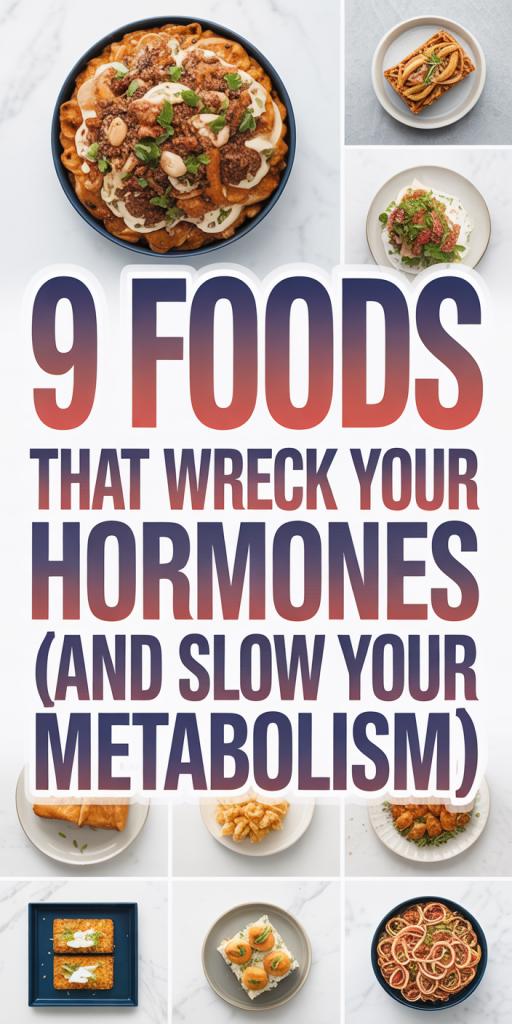
The 9 Foods, Sugar, Refined Carbs, Processed Meats, Trans Fats, Certain Dairy, Fried Foods, Highly Processed Snacks, Excess Alcohol, And Artificial Sweeteners
Here’s the short list we’ll cover in depth:
- Added sugar (sodas, sweets, many beverages)
- Refined carbohydrates (white bread, pastries, many cereals)
- Processed meats (hot dogs, bacon, many deli meats)
- Trans fats and hydrogenated oils (some margarines, packaged baked goods)
- Certain dairy (high-fat, sugar-added yogurts and some conventionally produced milk)
- Fried foods (deep-fried restaurant items and fast-food fries)
- Highly processed snacks (chips, candy bars, many granola bars)
- Excess alcohol (regular heavy drinking or daily cocktails)
- Artificial sweeteners (sucralose, aspartame, saccharin and some sugar alcohols)
We’ll explain why each of these is harmful, where they hide, and practical swaps so we can protect hormones and boost metabolic resilience.
How Each Food Harms Hormones And Slows Metabolism (What Happens In Your Body)
Added Sugar
When we consume high amounts of added sugar, particularly fructose and high-fructose corn syrup, insulin surges to shuttle glucose into cells. Repeated surges blunt insulin sensitivity. Fructose is also metabolized in the liver, promoting fat synthesis (de novo lipogenesis), increasing visceral fat, and raising triglycerides. These changes increase inflammatory cytokines that impair insulin signaling and thyroid conversion, lowering metabolic rate.
Refined Carbohydrates
White bread, pastries, and many breakfast cereals digest quickly, producing rapid glucose spikes similar to sugary drinks. Those spikes trigger reactive hunger and overeating. Over weeks to months, this roller coaster fosters insulin resistance and increasing fat storage, especially when paired with low protein intake that fails to stimulate thermogenic effects of food.
Processed Meats
Processed meats are associated with higher levels of inflammation and exposure to nitrates, nitrites, and advanced glycation end products (AGEs). Chronic low-grade inflammation alters signaling around insulin and leptin (the “satiety hormone”). Elevated inflammatory markers correlate with lower thyroid activity and reduced energy expenditure.
Trans Fats and Hydrogenated Oils
Trans fats directly damage insulin sensitivity and increase visceral fat. They also disrupt cell membrane fluidity, affecting hormone receptors’ ability to respond. Studies link trans fat intake with systemic inflammation and adverse changes in LDL/HDL cholesterol, hormonal environments that favor fat retention and metabolic slowdown.
Certain Dairy
Dairy is complex. Some whole-fat dairy may be neutral or beneficial for some people, but sugary yogurts, milkshakes, and ultra-processed dairy products spike insulin and add excess calories. Also, conventionally produced dairy can contain low levels of hormones or hormone-mimicking compounds from livestock exposures, which may affect our own endocrine balance when consumed regularly.
Fried Foods
Deep-fried foods often combine trans fats, oxidized oils, and high calories, producing repeated post-meal inflammation. The oxidative stress from repeatedly heated oils impairs insulin signaling and stresses mitochondria, the cellular engines of metabolism. Frequent fried-food consumption is linked to higher waist circumference and poorer metabolic health.
Highly Processed Snacks
These items are engineered to be hyper-palatable: a mix of refined carbs, fats, and salt that override satiety signals. They blunt leptin responsiveness (so we don’t feel full) and promote overeating. Many also contain added sugars and refined oils that feed the same insulin-inflammation cycle described earlier.
Excess Alcohol
Alcohol alters glucose production, impairs sleep architecture, and increases cortisol. It can reduce testosterone and disrupt estrogen metabolism in both sexes. Alcohol also provides a concentrated source of calories and encourages fat storage, especially around the liver (fatty liver) which worsens insulin sensitivity and slows metabolic rate.
Artificial Sweeteners
While marketed as ‘calorie-free’, many artificial sweeteners alter gut microbiome composition and can weaken metabolic responses to actual sugar. Some studies show they may increase cravings and insulin secretion in anticipation of sweetness. The net effect for many people is increased appetite, altered glucose handling, and disrupted gut-hormone signaling (like GLP-1), which affects satiety and energy use.
Putting It Together
All nine foods either directly spike insulin, increase inflammation, impair thyroid or sex hormone signaling, or disrupt appetite hormones (leptin, ghrelin). The common downstream effects are increased fat storage, reduced lean mass, poorer sleep and stress handling, and a slower basal metabolic rate. Avoiding or minimizing these triggers gives our hormones a chance to reset and metabolism to recover.
Hidden Sources, Labels To Watch, And Common Pitfalls
Hidden Sources
- Sauces and condiments: Ketchup, BBQ sauce, many dressings hide large amounts of added sugar.
- “Low-fat” options: Manufacturers often add sugar to replace flavor when fat is removed.
- Packaged ‘healthy’ bars: Many contain refined grains, sugar syrups, and hydrogenated oils.
- Ready-made meals: Hidden trans fats or excess sodium can be present even when products claim ‘natural.’
Labels To Watch
- ‘Partially hydrogenated’, unequivocal red flag for trans fats.
- ‘High fructose corn syrup’ or ‘corn syrup’, a concentrated source of fructose.
- ‘Evaporated cane juice’ or ‘organic sugar’, different names for added sugars.
- ‘Low-fat’ or ‘fat-free’, often compensated by added sugars.
- ‘Natural flavors’, ambiguous, can hide processed derivatives or alcohol-based extracts.
Common Pitfalls
- Focusing on single nutrients: Cutting carbs but loading up on processed meats and fried foods won’t help hormones. We need quality across the board.
- Assuming ‘diet’ products are harmless: Diet sodas and low-calorie desserts often contain artificial sweeteners and additives that interfere with gut and hormonal signals.
- Forgetting portion and frequency: Even foods that are okay occasionally become problematic when consumed daily (e.g., a nightly cocktail or daily yogurt with additives).
- One-size-fits-all thinking: People metabolize foods differently, genetics, gut microbiome, and existing hormonal conditions (PCOS, hypothyroidism) change sensitivity. When in doubt, track symptoms and consult a clinician.
Practical label reading tips
- Scan the ingredient list first, not the front-of-package claims.
- Short ingredient lists with recognizable foods are usually safer.
- If a product lists multiple sugar variants within the first five ingredients, treat it as high-sugar.
- Look for ‘calories from fat’ and trans fat indicators, ‘0 g trans fat’ can be misleading if partially hydrogenated oils are present in small amounts per serving.
Healthy Swaps, Meal Strategies, And Shopping Tips To Protect Hormones
Smart swaps make long-term change realistic. We’ll list simple substitutions and broader meal strategies that support steady insulin, balanced cortisol, and thyroid-friendly nutrition.
Quick swaps
- Soda and sweetened beverages → Sparkling water with a squeeze of citrus or herbal iced tea.
- White bread/pastries → Sprouted-grain or whole-grain bread: grab a high-fiber tortilla.
- Processed meats → Rotisserie chicken, grilled tempeh, or salmon fillets.
- Margarine and hydrogenated products → Avocado, olive oil, or a small amount of grass-fed butter for cooking (in moderation).
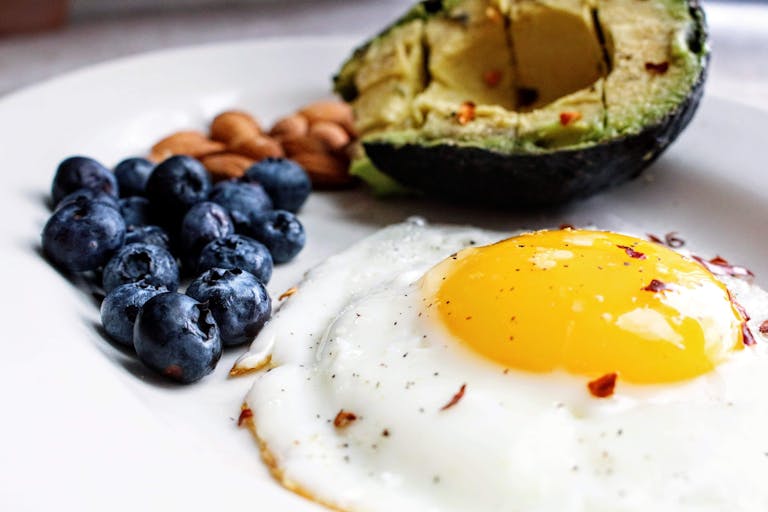
- Sugary yogurt → Unsweetened Greek yogurt with fresh berries and a sprinkle of nuts.
- Fast-food fries → Oven-baked sweet potato wedges tossed in olive oil.
- Packaged snack bars → Handful of mixed nuts, an apple with almond butter, or roasted chickpeas.
- Nightly cocktail → A single glass of dry wine (occasionally) or a nonalcoholic botanical spritz.
- Diet sodas/artificial sweetener drinks → Unsweetened kombucha or plain water.
Meal strategies
- Prioritize protein at each meal: Protein supports muscle mass and has a higher thermic effect, meaning we burn more calories during digestion.
- Include fiber and healthy fats: Soluble fiber and monounsaturated fats slow glucose absorption and help with satiety.
- Time carbohydrates around activity: Reserve higher-carb meals for when we’ll be active to aid glycogen use instead of fat storage.
- Regular meal timing but flexible: Skipping meals often raises cortisol and ghrelin: small, balanced meals or well-timed intermittent fasting can work, what matters is consistency and how we feel.
- Sleep and timing: Avoid large meals and alcohol close to bedtime: poor sleep worsens insulin resistance and appetite signaling.
Shopping tips
- Shop the perimeter first: produce, proteins, dairy alternatives, and whole grains are usually along the store edges.
- Use a list and avoid shopping hungry: impulse purchases are often processed and sugary.
- Read ingredients, not marketing: ‘Organic’ or ‘natural’ doesn’t negate added sugars or processed fats.
- Buy frozen fruits and vegetables: They’re convenient, often cheaper, and retain nutrients.
- Invest in basics: a good olive oil, a reliable protein source (canned tuna, chicken), and shelf-stable beans will make healthy meals easier.
Meal examples
- Breakfast: Plain Greek yogurt, mixed berries, walnuts, and chia seeds, protein, fiber, omega-3s.
- Lunch: Mixed greens with grilled salmon, quinoa, avocado, and lemon-olive oil dressing.
- Snack: Veggie sticks with hummus or a small handful of almonds and a pear.
- Dinner: Stir-fry with tofu or chicken, lots of colorful vegetables, brown rice, and tamari (low-sugar sauce).
These swaps and strategies aren’t restrictive, they’re choices that remove frequent hormonal insults and make metabolic improvement a natural side effect.
A Simple 7-Day Eating Plan To Reset Hormones And Boost Metabolism
This 7-day plan emphasizes whole foods, balanced macronutrients, and foods that support insulin sensitivity, thyroid function, and good sleep. Portions depend on our personal needs, adjust calories for weight goals and activity level.
Guidelines before we start
- Hydration: Drink water throughout the day: aim for at least 8 cups, more with exercise.
- Protein: Include a serving (20–30 g) of protein at each meal when possible.
- Vegetables: Aim for at least 3–4 cups of non-starchy vegetables daily.
- Healthy fats: Include sources like olive oil, nuts, seeds, fatty fish.
- Sleep: Prioritize 7–9 hours nightly to support hormone balance.
Day 1
- Breakfast: Omelette with spinach, mushrooms, and tomato: 1 slice sprouted-grain toast.
- Snack: Greek yogurt (unsweetened) with flaxseed and blueberries.
- Lunch: Lentil salad with arugula, cucumber, roasted red pepper, and lemon-tahini dressing.
- Snack: Apple with 1 tbsp almond butter.
- Dinner: Baked salmon, steamed broccoli, and quinoa.
Day 2
- Breakfast: Overnight oats made with unsweetened almond milk, chia seeds, and chopped walnuts.
- Snack: Carrot sticks and hummus.
- Lunch: Turkey and avocado wrap in a whole-grain tortilla with mixed greens.
- Snack: Cottage cheese (low-sugar) with sliced cucumber.
- Dinner: Stir-fry with tofu, mixed vegetables, and brown rice.
Day 3
- Breakfast: Smoothie with spinach, frozen berries, protein powder (clean ingredient list), and a tablespoon of nut butter.
- Snack: Handful of mixed nuts.
- Lunch: Chickpea and vegetable curry with cauliflower rice.
- Snack: Pear and a few slices of cheese.
- Dinner: Grilled chicken breast, roasted Brussels sprouts, sweet potato mash.
Day 4
- Breakfast: Two poached eggs, sautéed kale, and avocado.
- Snack: Celery with peanut butter.
- Lunch: Quinoa bowl with black beans, corn, tomato, cilantro, and lime.
- Snack: Greek yogurt with cinnamon.
- Dinner: Baked cod, asparagus, and a small serving of farro.
Day 5
- Breakfast: Steel-cut oats with cinnamon, chopped apple, and pumpkin seeds.
- Snack: Boiled egg and cherry tomatoes.
- Lunch: Mixed green salad with grilled shrimp, avocado, and citrus vinaigrette.
- Snack: Edamame.
- Dinner: Turkey meatballs with zucchini noodles and a simple tomato sauce (low sugar).
Day 6
- Breakfast: Cottage cheese with sliced peaches and a sprinkle of chia.
- Snack: Roasted chickpeas.
- Lunch: Soba noodle salad with sesame-tamari dressing and lots of veggies.
- Snack: An orange and a few almonds.
- Dinner: Vegetable frittata and mixed greens.
Day 7
- Breakfast: Yogurt parfait: unsweetened Greek yogurt, berries, and pumpkin seeds.
- Snack: Sliced bell pepper and guacamole.
- Lunch: Grilled chicken Caesar (light dressing, extra greens) with a whole-grain roll.
- Snack: Handful of walnuts.
- Dinner: Baked trout, sautéed spinach, and roasted carrots.
Adjustments and tips
- If we exercise intensely, add a carbohydrate-rich snack around the workout for performance and recovery (e.g., banana and a small serving of rice).
- Keep alcohol to zero or very low for the week, if we choose to drink, limit to one low-sugar glass of wine on a single evening.
- Focus on whole-food snacks so we don’t trigger repeated insulin spikes.
This week is a reset, not a permanent perfection test. The goal is to remove the frequent offenders, stabilize blood sugar and cortisol, and give thyroid and sex-hormone systems a better environment to function.
When To See A Healthcare Professional And Next Steps
Some symptoms need medical evaluation. We should see a healthcare professional if we experience:
- Unexplained, persistent weight gain even though diet changes.
- Significant menstrual irregularities, infertility, or signs of androgen excess (severe acne, hair growth in atypical patterns).
- Persistent fatigue, cold intolerance, hair loss, or other symptoms suggesting hypothyroidism.
- Symptoms of fatty liver disease (elevated liver enzymes, imaging findings) or metabolic syndrome components (high blood pressure, elevated fasting glucose, high triglycerides).
What to bring to the appointment
- A three-week food and symptom diary so the clinician can see patterns.
- A list of medications and supplements, some affect hormones.
- Any recent lab results, if available.
Useful tests clinicians may order
- Fasting glucose, insulin, and HbA1c to assess glucose handling.
- Lipid panel for cardiovascular risk and metabolic patterns.
- Thyroid panel: TSH, free T4, free T3, and sometimes thyroid antibodies.
- Sex hormones: estradiol, progesterone, testosterone, and SHBG depending on symptoms.
- Liver function tests: in some cases, an ultrasound for fatty liver.
Working with professionals
- A registered dietitian can help tailor a hormone-supportive eating plan to our preferences and labs.
- For conditions like PCOS, hypothyroidism, or fatty liver, coordinated care (endocrinologist, primary care, nutritionist) is often the most effective route.
- If medication is indicated (e.g., thyroid hormone replacement, metformin for insulin resistance), dietary changes complement, not replace, medical therapy.
Next steps for us
Start by removing the most frequent offenders from our daily routine: sugary drinks, fried fast food, and highly processed snacks. Track how we feel over two to four weeks. If symptoms persist or worsen, schedule an evaluation. For those already under care for hormonal conditions, discuss these dietary adjustments with our provider to integrate changes safely.
Conclusion
We’ve covered nine common foods that nudge hormones and metabolism in the wrong direction, and the science behind why they matter. The good news is small, consistent swaps have outsized effects: stabilizing blood sugar, reducing inflammation, protecting thyroid function, and restoring healthier appetite signals.
Let’s be realistic: total avoidance isn’t necessary for everyone, and occasional indulgences are part of a sustainable life. What matters is frequency and context. If we eliminate or significantly reduce the regular consumption of these nine offenders, added sugar, refined carbs, processed meats, trans fats, problematic dairy products, fried foods, ultra-processed snacks, excess alcohol, and artificial sweeteners, we give our hormonal systems the chance to reset and our metabolism room to recover.
Start with one or two swaps this week, try the 7-day reset, and monitor energy, sleep, cravings, and weight trends. If concerns persist, seek medical evaluation. We can protect our hormones by choosing whole foods more often, and those choices will often improve not just our metabolic rate, but mood, sleep, and long-term health.
Want More From Nick?
Join The Health-First Fat Loss Club
✓ All 16+ Programs
✓ Private Community
✓ Weekly New Content
✓ Cancel Anytime
Nick Garcia
Health & Nutrition Expert · 15+ Years Experience