We all want a straightforward, evidence-based way to eat that supports fat loss without turning our lives into a cycle of deprivation. In this 2026 guide we’ll walk through how fat loss actually works, the nutrients and foods that support fat oxidation, practical swaps, sample meal plans, and easy recipes, all organized around 25 science-backed foods that help your body burn fat. Read on and you’ll walk away with a realistic, sustainable food strategy that complements exercise and everyday life.
How Fat Loss Works: The Basics You Need To Know
Fat loss boils down to an energy balance: we must consistently use more energy than we consume for our bodies to draw on stored fat. But that’s only the mechanical view. Hormones (insulin, cortisol, thyroid hormones), muscle mass, sleep quality, stress, and food composition all influence how readily we oxidize fat.
Two processes matter most for us when designing a fat-loss diet: (1) increasing total daily energy expenditure (TDEE), through activity and preserving/building lean mass, and (2) optimizing metabolism and satiety so we naturally eat fewer calories without feeling deprived.
Foods can help on both fronts. Some increase thermogenesis (the calories we burn digesting food), some support muscle retention (higher-protein foods), and others blunt appetite or improve insulin sensitivity (fiber-rich, low-glycemic carbs, and healthy fats). Later sections map specific foods to these mechanisms so we can choose meals that both satisfy and promote fat-burning physiology.
What Makes A Food “Fat-Burning”? Key Nutrients And Mechanisms
Labeling a food “fat-burning” is shorthand, no single food melts fat on its own, but several nutrients and properties reliably support fat loss when included in a consistent eating pattern:
- High protein content: preserves lean mass and increases the thermic effect of food (TEF).
- Low glycemic load and fiber: improve blood sugar control, reduce insulin spikes, and increase satiety.
- Healthy fats (omega-3s and monounsaturated fats): support fat oxidation and cellular health without impairing satiety when portioned correctly.
- Thermogenic compounds: caffeine, catechins, and capsaicin modestly increase metabolic rate.
- Micronutrients that support thyroid function and energy metabolism (iodine, selenium, iron, vitamin D).
We’ll organize the 25 foods into groups that reflect these mechanisms so you can mix and match for meals that help your body burn fat naturally.
Protein-Packed Foods To Boost Metabolism
Protein is the single most important macronutrient for fat loss. It preserves muscle during calorie deficits, increases TEF (about 20–30% of calories of protein are burned during digestion), and promotes fullness. When we choose protein-rich foods, we make it easier to stay in a calorie deficit without starving.
Top protein choices we recommend include: lean poultry, fatty fish, eggs, Greek yogurt, cottage cheese, lean beef, tofu, tempeh, and legumes (though legumes have more carbs). Aim for at least 20–30 grams of protein at meals, and prioritize a high-quality source within 30–60 minutes after resistance training to support muscle protein synthesis.
High-Quality Protein Sources And Their Benefits
Here’s how we rank high-quality proteins for fat-loss support:
- Fatty fish (salmon, mackerel): rich in protein and omega-3s, which improve fat oxidation and reduce inflammation.
- Poultry (chicken, turkey): lean, versatile, and low in calories per gram of protein.
- Eggs: complete protein with choline: whole eggs at breakfast improve satiety.
- Greek yogurt and cottage cheese: concentrated protein and probiotics in yogurt can aid gut health.
- Lean beef: iron and B12-rich, supporting energy and workout performance.
- Plant proteins (tofu, tempeh, seitan): especially useful for fiber and lower-calorie dishes when prepared healthfully.
We should rotate these proteins to cover nutrients and keep meals interesting.
Practical Ways To Add More Protein To Every Meal
Small, consistent changes are how we turn good intentions into results. Practical protein-boosting tactics:
- Add a scoop of plain protein powder to smoothies or oats (20–25 g).
- Top salads with 3–4 oz of grilled chicken, salmon, or a can of tuna.
- Use Greek yogurt instead of sour cream or mayonnaise in dressings and dips.
- Prep hard-boiled eggs for quick snacks.
- Make grain bowls centered on a protein and a variety of vegetables rather than carbs.
These swaps increase satiety and preserve lean mass, making calorie control easier without ritualized restriction.
Whole, Low-Glycemic Carbohydrates That Support Fat Loss
Carbohydrates aren’t the enemy. The right kinds support energy for workouts and steady blood sugar. We focus on whole, low-glycemic carbohydrates that digest slowly and provide fiber and micronutrients.
Good options include: steel-cut oats, quinoa, sweet potatoes, brown rice, barley, lentils, chickpeas, and most non-starchy vegetables. These carbohydrate choices stabilize energy, feed the gut, and pair well with proteins and fats to make satisfying meals that keep insulin responses moderate.
Best Whole-Grain, Legume, And Vegetable Options
We recommend these staple carbs for fat-loss diets:
- Steel-cut oats: high in soluble fiber, good for breakfasts that keep us full.
- Quinoa: complete plant protein and low-glycemic.
- Sweet potatoes: nutrient-dense and satisfying when roasted.
- Lentils and chickpeas: deliver protein and fiber in one package.
- Non-starchy veggies (broccoli, spinach, Brussels sprouts): low-calorie volume that fills stomachs.
Pairing these with protein and healthy fats creates balanced meals that support fat oxidation and prevent overeating.
Timing Carbs For Energy Without Spiking Insulin
When we schedule carbs matters less than total intake, but smart timing helps performance and appetite control. General principles:
- Prioritize carbs around workouts: a moderate portion pre-workout (30–60 minutes, depending on tolerance) fuels intensity: post-workout carbs combined with protein aid recovery and muscle glycogen replenishment.
- Keep evening carbs moderate if we’re sedentary after dinner and notice weight-loss stalls: prioritize vegetables and a smaller starchy serving.
- Avoid high-sugar beverages and simple carbs outside of aggressive training sessions, liquid sugars spike insulin rapidly and provide little satiety.
These small timing tweaks help us get energy when we need it and avoid unnecessary insulin-driven storage when we don’t.
Healthy Fats That Accelerate Fat Oxidation
Fats are calorie-dense, but the right kinds support metabolic health and fat oxidation. Omega-3 fatty acids enhance mitochondrial function and may increase fat oxidation, while monounsaturated fats improve lipid profiles and satiety. Including modest amounts of these fats keeps meals satisfying and supports long-term adherence.
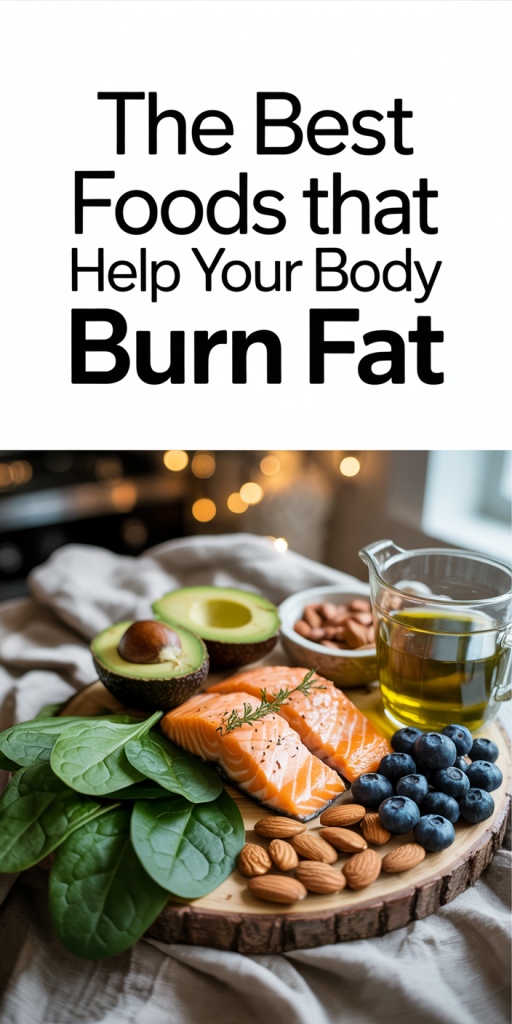
Key fat-containing foods we favor: olive oil, avocados, nuts (almonds, walnuts), seeds (chia, flax), and fatty fish (salmon, sardines). Portion control is essential, fats help with fullness but can quickly raise caloric intake if we’re not mindful.
Omega-3s, Monounsaturated Fats, And Portion Guidance
Practical portion cues:
- Olive oil: 1 tablespoon per salad or cooking use.
- Nuts/seeds: a small handful (about 1 oz) as a snack or salad topper.
- Avocado: 1/4 to 1/2 medium avocado per meal.
- Fatty fish: 2–3 servings per week (3–4 oz per serving).
These portions let us enjoy the metabolic and satiety benefits without underminining calorie goals. If we’re tracking calories, allocate a daily fat budget, for many, 20–35% of calories from fat is a good starting range.
How To Swap In Better Fats Without Adding Extra Calories
Small swaps keep calories steady while improving fat quality. Try these:
- Replace mayonnaise with mashed avocado or Greek yogurt-based dressings.
- Cook with olive oil spray instead of pouring oil into pans.
- Snack on raw veggies with a 2-tablespoon hummus portion instead of chips.
- Choose grilled salmon over a fried fish sandwich.
These simple changes improve fat profile and satiety while keeping us on track with energy goals.
Thermogenic And Metabolism-Boosting Foods And Drinks
Certain foods and compounds raise metabolic rate modestly. While they aren’t magic, they can add useful margins to our daily energy burn:
- Green tea (EGCG) and black tea: catechins increase fat oxidation: drinking multiple cups daily can have measurable effects.
- Coffee: caffeine boosts energy expenditure and exercise performance for many of us.
- Chili peppers (capsaicin): increase thermogenesis and may reduce appetite slightly.
- Ginger and cinnamon: modest metabolic effects and appetite modulation.
We recommend incorporating these as complements, for example, green tea between meals, black coffee before workouts, and spicy seasonings in savory dishes.
How Much To Consume And Safety Considerations
More isn’t always better. For thermogenics and stimulants, moderation and individual tolerance are key. Practical safety notes:
- Caffeine: most healthy adults can safely consume 200–400 mg/day, but sensitivity varies. Avoid late-day caffeine if it affects sleep.
- Green tea extract: concentrated supplements can stress the liver in high doses: whole brewed tea is safer.
- Capsaicin: can irritate the GI tract in sensitive people: start with small amounts.
For any major dietary change, especially if we have medical conditions, are pregnant, or take medications, we should consult a healthcare professional. Food-based strategies are powerful but should be tailored to personal health and preferences.
High-Fiber Foods For Appetite Control And Fat Loss
Fiber slows gastric emptying, feeds beneficial gut bacteria, and increases fullness with minimal calories. High-fiber foods are a cornerstone of sustainable fat loss.
Top fiber-rich choices include: legumes (lentils, chickpeas, black beans), berries, pears, apples with skin, avocados, broccoli, Brussels sprouts, whole grains (oats, barley), chia seeds, and flaxseed. Including a fiber source at each meal, whether vegetables, a piece of fruit, or a legume, helps us stay satisfied and reduces snacking on calorie-dense foods.
Top Fiber Sources And Their Effects On Satiety
Here’s how some high-fiber foods stack up for fullness and convenience:
- Lentils (1 cup cooked): ~15 g fiber, great in soups and salads.
- Chia seeds (1 oz): ~10 g fiber, thicken smoothies and make chia puddings.
- Oats (1/2 cup dry): ~4 g fiber, slow-release morning energy.
- Berries (1 cup): ~4–8 g fiber and high water content.
- Broccoli (1 cup cooked): ~5 g fiber and extremely low calorie.
We suggest combining soluble and insoluble fiber across meals to maximize satiety and consistent bowel regularity.
Simple Swaps To Increase Daily Fiber Intake
Easy habit changes that bump fiber without fuss:
- Swap white bread for whole-grain or sprouted-grain bread.
- Add a cup of vegetables to lunches and dinners (stir-fries, soups, side salads).
- Snack on an apple and a small handful of almonds instead of a granola bar.
- Stir a tablespoon of ground flax or chia into yogurt or smoothies.
- Use lentils or black beans to bulk out tacos, chili, and salads.
These tweaks are low-cost, high-return habits that make calorie control easier by reducing hunger.
Foods That Support Hormones And Gut Health For Better Fat Loss
Hormones and gut microbiota influence energy balance and appetite. Foods that nurture both help us burn fat more effectively:
- Fermented foods (yogurt, kefir, sauerkraut, kimchi): support microbial diversity and digestive health.
- Prebiotic-rich vegetables (onion, garlic, leeks, asparagus): feed beneficial bacteria.
- Healthy fats and fat-soluble vitamins (olive oil, leafy greens, liver occasionally): support hormone synthesis.
- Zinc- and selenium-rich foods (pumpkin seeds, Brazil nuts): important for thyroid and metabolic function.
We don’t need to chase exotic supplements: whole-food choices and dietary diversity often deliver what we need.
When To Consider Testing Or Working With A Professional
If fat loss stalls even though consistent attention to diet, exercise, sleep, and stress, testing can identify underlying barriers. Consider consulting a registered dietitian or physician if:
- You have unexplained weight gain or very slow progress even though adherence.
- You suspect hormonal issues (thyroid dysfunction, PCOS) or nutrient deficiencies (iron, vitamin D).
- You have a history of disordered eating: professional guidance can keep us safe and sustainable.
A tailored plan and appropriate labs can uncover treatable conditions and make our fat-loss path faster and healthier.
Meal And Snack Examples Using Fat-Burning Foods
We like simple, repeatable meals. Here are practical examples that combine proteins, low-glycemic carbs, healthy fats, and fiber:
- Breakfast: Greek yogurt (1 cup) with 1/2 cup berries, 1 Tbsp chia seeds, and a sprinkle of cinnamon.
- Mid-morning snack: 1 small apple + 1 oz almonds.
- Lunch: Large salad with 4 oz grilled salmon, mixed greens, 1/2 cup quinoa, cherry tomatoes, and 1 Tbsp olive oil + lemon.
- Afternoon snack: Veggies (carrot sticks, bell pepper) with 3 Tbsp hummus.
- Dinner: Stir-fry with 4 oz chicken, 1 cup broccoli, 1/2 cup brown rice, garlic, ginger, and chili flakes.
- Evening option: Herbal tea and a small cottage cheese bowl if we need protein before bed.
Each meal centers on protein, fiber-rich vegetables or whole grains, and a measured healthy fat to support fullness and fat oxidation.
Sample 1-Day And 7-Day Meal Templates With Portions
1-Day Template (approximate portions):
- Breakfast: 3/4 cup steel-cut oats cooked in water, topped with 1/2 cup mixed berries and 1 scoop protein powder (20 g), ~400 kcal.
- Snack: 1 boiled egg + 1 small pear, ~150 kcal.
- Lunch: 4 oz grilled chicken breast, 1 cup mixed greens, 1/2 cup quinoa, 1/2 avocado, ~500 kcal.
- Snack: 1 cup plain Greek yogurt (low-fat) with 1 Tbsp ground flaxseed, ~200 kcal.
- Dinner: 4 oz salmon, 1 cup roasted Brussels sprouts, 1/2 cup sweet potato, ~550 kcal.
7-Day Template: rotate proteins (fish, chicken, tofu, lean beef), alternate whole grains (oats, quinoa, brown rice, barley), and include at least 2–3 servings of legumes and 3–4 cups of non-starchy vegetables daily. Keep snacks simple and protein-forward. This variety provides nutrients and keeps us engaged.
Portion sizes should be adjusted for individual energy needs. Use these templates as a scaffold rather than rigid rules.
Quick Recipes And Prep Tips To Save Time
Meal prep makes healthy choices automatic. Quick recipe ideas:
- Sheet-Pan Salmon & Veggies: Toss salmon fillets, asparagus, and cherry tomatoes with 1 Tbsp olive oil, lemon, salt, and pepper. Roast at 400°F for 12–15 minutes.
- Mason Jar Salads: Layer dressing, grains (quinoa), protein (chicken), and greens. Shake and eat.
- Overnight Oats: Combine 1/2 cup oats, 1/2 cup milk, 1 scoop protein, 1/2 cup berries, and 1 Tbsp chia.
- Lentil Soup: Sauté onion, garlic, carrots: add 1 cup lentils and 4 cups broth: simmer until tender. Season well.
Prep tips:
- Cook grains and proteins in batches twice weekly.
- Pre-chop vegetables and store in airtight containers.
- Portion snacks (nuts, hummus, cut fruit) into single-serve containers.
These tactics remove barriers and keep us consistent, consistency is the biggest determinant of fat-loss success.
Lifestyle Factors That Amplify Food-Based Fat Loss
Food choices are one piece of the puzzle. Several lifestyle factors amplify the effects of our eating strategy:
- Sleep: Short sleep increases hunger hormones (ghrelin) and reduces leptin: aim for 7–9 hours per night.
- Resistance training: Preserves muscle mass and increases resting metabolic rate.
- NEAT (non-exercise activity thermogenesis): Small movements across the day (standing, walking, fidgeting) add meaningful calorie burn.
- Hydration: Drinking water before meals can reduce calorie intake slightly and supports metabolic function.
Combine these with the food strategies in this guide and we’ll accelerate progress without extreme measures.
Sleep, Resistance Training, NEAT, And Hydration Tips
Actionable tips we can carry out this week:
- Schedule three resistance-training sessions per week, focusing on compound movements.
- Take a 10-minute walk after meals to increase NEAT and aid digestion.
- Drink a large glass of water 20 minutes before main meals.
- Set a consistent bedtime: reduce screens an hour before sleep.
These habits have outsized benefits and pair naturally with fat-burning foods.
How To Combine Food Choices With Exercise For Faster Results
Food and exercise are synergistic. We optimize both when we:
- Prioritize protein around workouts to support muscle recovery (20–40 g protein in the post-workout window).
- Use carbs strategically before high-intensity sessions for performance and glycogen refill after.
- Include at least two resistance sessions per week to maintain lean mass and increase basal metabolic rate.
A practical framework: eat a protein-rich breakfast, have a moderate-carb snack before intense training (a banana + protein), and a balanced recovery meal afterward (protein + carbs + some veggies). This pattern fuels workouts and improves body composition over time.
Common Myths, Risks, And When Foods Alone Aren’t Enough
We need to dismantle myths quickly:
- Myth: Eating “fat-burning” foods will melt fat without calorie control. Truth: they help, but a calorie deficit is necessary.
- Myth: Carbs at night cause fat gain. Truth: total daily intake and activity matter more than timing for most people.
- Risk: Over-reliance on supplements or extreme caloric restriction can harm metabolism and mental health.
If we’ve tried dietary changes for several months with little progress, or if metabolic health markers are poor, foods alone might not be enough, professional testing and structured, supervised interventions may be warranted.
Red Flags, Overhyped “Fat-Burning” Claims, And Safety Notes
Watch out for:
- Products promising rapid fat loss with “no effort”, they’re often stimulants or diuretics with temporary effects.
- Very-low-calorie diets without medical supervision, they often lead to rebound weight gain and nutrient deficiencies.
- Single-nutrient fixes (e.g., “this one spice burns fat”), small benefits at best.
We recommend whole-food strategies and sensible lifestyle changes. If considering supplements, check evidence, dose, and potential interactions with medications.
Practical Plan: Building A Sustainable Fat-Burning Food Strategy
Here’s a simple, actionable plan we can follow for the next 4 weeks:
- Choose three protein-focused breakfasts (eggs, Greek yogurt + protein, overnight oats + protein) and rotate them.
- Prep two lunches and two dinners each weekend featuring different proteins and starchy sides.
- Include a fiber-rich vegetable at every meal and a portioned healthy fat.
- Drink green tea or black coffee in the morning: add chili or ginger to dinners for variety.
- Track adherence rather than perfection: aim for 80% of days hitting our protein and vegetable targets.
Small wins compound. This structure reduces decision fatigue and builds momentum.
Actionable Weekly Checklist And Grocery List
Weekly Checklist:
- Cook two protein batches (e.g., baked chicken and roasted salmon).
- Prepare one grain batch (quinoa or brown rice).
- Pre-chop vegetables and portion snacks.
- Plan 3 resistance workouts and schedule post-workout meals.
Grocery List (fat-burning essentials):
- Proteins: salmon, chicken breast, eggs, Greek yogurt, tofu/tempeh.
- Carbs: steel-cut oats, quinoa, sweet potatoes, lentils.
- Vegetables & fruit: spinach, broccoli, berries, apples, avocados.
- Healthy fats & seeds: olive oil, almonds, chia, flaxseed.
- Flavor & thermogenics: green tea, coffee, chili flakes, garlic, ginger.
Use this list to stock a meal-prep-friendly kitchen that makes choosing fat-burning foods the default.
Adjusting Portions And Food Choices For Personal Goals
Finally, we customize portions to our goals. If we want gradual fat loss while preserving performance, a modest deficit of 250–500 kcal/day is sustainable for many. For more aggressive goals, reduce calories further but prioritize protein and strength training.
Practical portion tuning:
- If we’re not losing weight after 2–3 weeks: reduce starchy portions by 1/4 and increase non-starchy vegetables.
- If energy or performance drops: increase carbs around workouts and check protein intake (aim 1.6–2.2 g/kg body weight for active individuals focused on fat loss).
- If we consistently overeat nuts or dressings: pre-portion them to control calories.
Our last piece of advice: make changes so enjoyable and realistic that we can keep them for months and years. Sustainable habits, not quick fixes, are what truly help our bodies burn fat over the long term.
Want More From Nick?
Join The Health-First Fat Loss Club
✓ All 16+ Programs
✓ Private Community
✓ Weekly New Content
✓ Cancel Anytime
Nick Garcia
Health & Nutrition Expert · 15+ Years Experience