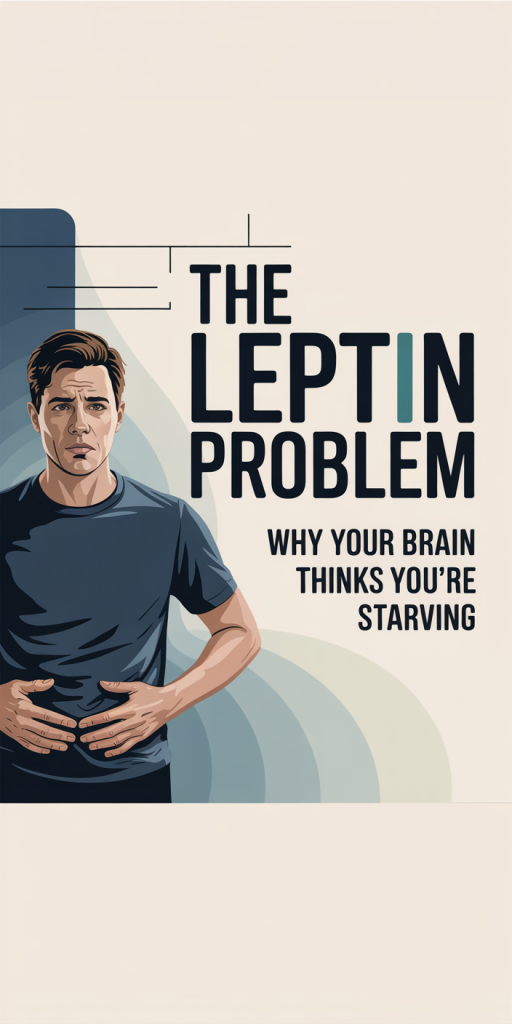
We’ve all felt it: the inexplicable hunger, the cravings that hit after a day of “doing everything right,” the plateau on the scale even though cutting calories. For many of us the missing piece isn’t willpower, it’s biology. Leptin, a hormone produced by fat cells, is a central signal that tells our brain whether we have enough energy stored. When leptin works, we feel satisfied, energetic, and able to maintain a healthy weight. When it doesn’t, when our brains start to believe we’re starving even though we’re not, everything becomes harder.
In this text we’ll explain what leptin is, why leptin resistance develops, how it shows up in everyday life, and, most importantly, practical, evidence-informed strategies to restore leptin sensitivity in 2026. We’ll also cover testing, medical options, and when to seek professional help. This is a deep-but-practical guide: we want you to come away with clear actions you can start using this week.
What Leptin Is And Why It Matters
Leptin is a peptide hormone produced predominantly by adipocytes (fat cells). Its primary role is to inform the hypothalamus, the brain’s energy-regulation command center, about the quantity of energy stored as fat. When leptin levels rise, the brain interprets that as “energy reserves are sufficient,” which suppresses appetite and increases energy expenditure. When leptin levels fall, the brain responds by increasing hunger and reducing metabolic rate to conserve energy.
Why does this matter in modern life? Evolution shaped leptin to protect us from starvation. In environments with scarce food, that system favored survival. Today, with abundant calories and chronic metabolic stressors, the leptin system can become dysregulated. Instead of signaling satiety, leptin’s message gets ignored, a state we call leptin resistance, and the brain acts as if we’re starving even when we carry excess fat.
Leptin Vs. Other Appetite Hormones (Ghrelin, Insulin, Peptide YY)
Leptin is part of a complex hormonal conversation that regulates appetite and energy balance. Ghrelin, often called the “hunger hormone,” is produced mainly in the stomach and rises before meals to stimulate appetite. Insulin, secreted by the pancreas in response to meals, facilitates glucose uptake and has its own signaling roles in the brain related to satiety. Peptide YY (PYY) and glucagon-like peptide-1 (GLP-1), released from the gut after eating, act as satiety hormones reducing subsequent food intake.
The key difference: leptin reflects long-term energy stores (fat mass), whereas ghrelin and gut hormones respond to short-term feeding. Insulin bridges both acute and chronic roles, high and persistent insulin levels can impair both leptin and insulin signaling in the brain. The interplay among these hormones determines whether we feel full, crave calories, or conserve energy.
How Leptin Is Produced And Transported To The Brain
Fat cells synthesize leptin in proportion to their size and number: generally, more fat → more leptin in circulation. Leptin travels through the bloodstream and must cross the blood–brain barrier (BBB) to reach hypothalamic receptors. Transport across the BBB is mediated by specific leptin transport mechanisms, which can become saturated or impaired.
Once inside the brain, leptin binds to leptin receptors (Ob-Rb) in hypothalamic neurons, especially in the arcuate nucleus. These receptors modulate neural circuits that control appetite and energy expenditure. If leptin cannot reach the brain or if receptors fail to respond, the signaling cascade is disrupted and the brain behaves as though energy stores are low.
Leptin Resistance: The Core Problem
Leptin resistance describes a condition where circulating leptin is elevated (often because of greater fat mass) but the brain’s response is blunted or absent. It’s analogous to insulin resistance: the body has plenty of the hormone, but target tissues don’t respond. In leptin resistance, the hypothalamus doesn’t register the “we have enough energy” signal, so it continues to drive hunger, lower energy expenditure, and promote fat storage.
Clinically, leptin resistance helps explain why weight loss is so difficult to sustain for many people. Calorie restriction lowers leptin levels further, intensifying hunger and metabolic adaptation, a double-bind that encourages regain. Understanding leptin resistance reframes weight and appetite struggles as metabolic biology, not moral failure.
What Happens In The Brain During Leptin Resistance (Hypothalamic Signaling)
At the cellular level, several mechanisms contribute to impaired hypothalamic leptin signaling:
- Receptor dysfunction: Leptin receptors on hypothalamic neurons may be downregulated or functionally impaired.
- Impaired BBB transport: High circulating leptin or systemic inflammation can reduce leptin passage into the brain.
- SOCS3 and PTP1B upregulation: These intracellular proteins are negative regulators of leptin signaling: when upregulated, they blunt the leptin signal.
- Hypothalamic inflammation: Microglial activation and cytokine signaling disturb neuronal circuits involved in energy regulation.
Collectively these changes shift the hypothalamus toward a starvation response: increased orexigenic (appetite-stimulating) signals, suppressed anorexigenic (appetite-suppressing) signals, and reduced sympathetic nervous system tone, which lowers resting energy expenditure. Recent neuroimaging and animal work show structural and functional hypothalamic changes in leptin-resistant states, reinforcing how centrally important this signaling is for appetite and weight.
Common Causes Of Leptin Resistance
Leptin resistance isn’t caused by a single factor: it’s the product of multiple overlapping triggers, dietary, lifestyle, inflammatory, environmental, and genetic. We’ll break down the most common contributors so we can target interventions effectively.
Dietary Factors (Ultra-Processed Foods, Excess Fructose, Chronically High Calories)
Modern diets high in ultra-processed foods, refined carbohydrates, and added sugars (especially fructose) are strongly implicated in leptin resistance. Excessive calories over time increase adiposity and leptin production, but the brain’s response degrades. Fructose, in particular, promotes hepatic de novo lipogenesis, raises triglycerides, and contributes to insulin resistance, all of which impair leptin signaling and transport across the blood–brain barrier.
Ultra-processed foods also blunt satiety cues through rapid gastric emptying, high palatability, and low fiber content, encouraging frequent overeating and sustained metabolic stress.
Inflammation And Immune Activation
Low-grade systemic inflammation is a key driver of leptin resistance. Cytokines such as TNF-α and IL-6, produced by expanded adipose tissue and activated immune cells, impair both BBB transport and hypothalamic signaling. Specialized immune cells in the hypothalamus (microglia) can become chronically activated in response to unhealthy diets and obesity, further disturbing neuronal leptin pathways.
Sleep Deprivation, Circadian Disruption, And Chronic Stress
Poor sleep and circadian misalignment (shift work, late-night eating, irregular schedules) worsen leptin signaling. Short sleep lowers leptin and raises ghrelin, increasing hunger and preference for calorie-dense foods. Chronic stress elevates cortisol, which interacts with insulin and leptin pathways to promote central fat accumulation and metabolic dysregulation.
Environmental And Genetic Contributors (Toxins, Medications, Family History)
Environmental toxins (some persistent organic pollutants, endocrine disruptors) can influence adipose tissue biology and hormone signaling, potentially contributing to leptin resistance. Certain medications, glucocorticoids, some antipsychotics, and beta-blockers, can promote weight gain and metabolic effects that impair leptin function. Finally, genetic predisposition can alter leptin receptor function or intracellular signaling proteins: family history of obesity or metabolic disease increases risk but doesn’t make leptin resistance inevitable.
How Leptin Resistance Shows Up In Everyday Life
Leptin resistance manifests as patterns we can observe in behavior, mood, energy, and weight dynamics. Recognizing these clues lets us intervene earlier and more effectively.
Eating Patterns, Cravings, And Weight Plateaus
Common features include:
- Persistent hunger even though adequate calorie intake or being overweight.
- Strong cravings for carbohydrate-rich, high-fat foods, often in the evening.
- Frequent snacking and difficulty adhering to portions.
- Weight loss plateaus during dieting and rapid regain after calorie restriction.
Why this happens: the brain perceives low energy availability, so it drives us to seek calorie-dense foods and conserve energy. That makes restrictive diets feel punishing and unsustainable.
Energy Levels, Mood, And Cognitive Effects
Leptin does more than control appetite: it influences energy expenditure, motivation, and even aspects of cognition and mood. People with leptin resistance may report:
- Low daytime energy and reduced capacity for sustained physical activity.
- “Brain fog,” difficulty concentrating, or reduced motivation.
- Mood swings, irritability, or low mood, particularly around meals or during food restriction.
These features arise from altered hypothalamic and limbic signaling, the brain circuits that link energy status to motivation and mood. When the brain believes we’re starving, it prioritizes behaviors that conserve energy and obtain calories, often at the expense of mood stability and cognitive clarity.
Which Tests And Assessments Can Detect Leptin Problems
We can combine laboratory tests, clinical signs, and targeted questionnaires to detect leptin-related problems. No single test perfectly diagnoses leptin resistance, but a thoughtful assessment gives us useful guidance.
Interpreting Leptin Blood Levels And Other Relevant Labs
- Fasting serum leptin: measured in ng/mL. Higher levels often correlate with greater fat mass: paradoxically high leptin with obesity suggests resistance. Low leptin may indicate congenital deficiency or very low body fat.
- Insulin and fasting glucose: markers of insulin resistance, which often accompanies leptin resistance.
- Lipid panel and triglycerides: elevated triglycerides can impair leptin transport across the BBB.
- CRP and other inflammatory markers: indicate systemic inflammation that may blunt leptin signaling.
- Thyroid function and cortisol: secondary contributors to energy balance and weight.
Interpreting values requires context. For example, a high leptin value in someone with obesity is interpreted differently than the same value in someone lean. Trends over time and the presence of metabolic syndrome features are more informative than isolated numbers.
Clinical Signs, Questionnaires, And When To Refer For Endocrine Evaluation
Clinical clues include strong hunger, weight cycling, poor response to diets, and metabolic comorbidities. Questionnaires assessing sleep quality, stress, appetite patterns, and eating behaviors add useful context.
Refer to an endocrinologist when:
- There’s suspicion of rare leptin or leptin-receptor deficiencies (usually in extreme early-onset obesity).
- Atypical labs or rapid, unexplained weight changes occur.
- Standard lifestyle interventions fail and medication or surgical options are being considered.
In primary care, an integrated approach that combines lifestyle modification with targeted testing and specialist referral when needed is usually the best path.
Practical Strategies To Restore Leptin Sensitivity
Restoring leptin sensitivity is a multi-pronged effort. We focus on interventions that reduce metabolic stress, lower inflammation, and improve hypothalamic signaling. Below are concrete, actionable strategies we can carry out.
Dietary Approaches (Whole Foods, Protein, Fiber, Reduce Added Sugar and Refined Carbs)
Practical dietary principles to support leptin sensitivity:
- Prioritize whole, minimally processed foods: vegetables, fruits, whole grains, legumes, nuts, seeds, lean proteins, and healthy fats.
- Emphasize protein at each meal (20–30 g per meal for most adults) to increase satiety and preserve lean mass.
- Increase dietary fiber (vegetables, whole grains, legumes) to slow gastric emptying and promote fullness.
- Reduce added sugars and refined carbohydrates, especially fructose-containing beverages and sweets, which promote hepatic lipid accumulation and impair leptin transport.
- Favor foods with anti-inflammatory profiles: fatty fish (omega-3s), olive oil, berries, and polyphenol-rich foods.
We don’t prescribe a single “best” diet: both Mediterranean-style and lower-refined-carbohydrate patterns have evidence for improving metabolic markers and inflammation.
Sleep Hygiene, Stress Management, And Circadian Alignment
Improving sleep and circadian health yields outsized benefits for leptin:
- Aim for consistent sleep timing and 7–9 hours of sleep nightly.
- Reduce evening light exposure (especially blue light) and avoid late-night eating to support circadian rhythms.
- Use stress-reduction practices: brief daily meditation, breathwork, or brisk walking. Lowering chronic cortisol helps protect leptin signaling.
These are low-cost, high-impact strategies. Even modest improvements in sleep often reduce cravings and improve dietary adherence.
Exercise, Resistance Training, And Nonexercise Activity Thermogenesis (NEAT)
Physical activity supports leptin sensitivity through multiple pathways: reducing adiposity, lowering inflammation, improving insulin sensitivity, and enhancing brain health.
- Resistance training preserves lean mass and improves metabolic rate, aim for 2–3 sessions per week.
- Aerobic exercise (150 minutes of moderate-intensity weekly or equivalent) enhances insulin and leptin pathways.
- Increase NEAT: stand more, take stairs, and incorporate brief movement breaks to boost daily energy expenditure.
Exercise also improves mood and sleep, secondary benefits that support leptin recovery.
Targeting Inflammation: Lifestyle, Food, And When To Consider Medications Or Supplements
Reducing inflammation is critical. Lifestyle steps are first-line: dietary improvement, weight loss when appropriate, better sleep, regular activity, and smoking cessation.
Some supplements have supportive evidence for lowering inflammation or supporting metabolic health (omega-3 fatty acids, vitamin D if deficient). We should be cautious with supplements and base use on individual labs and clinical context.
Medications that address metabolic risk (statins for dyslipidemia, anti-inflammatory agents in specific cases) can indirectly help leptin signaling by reducing systemic inflammation. Always discuss risks and benefits with a clinician.
Meal Timing, Intermittent Fasting, And Their Effects On Leptin, Practical Guidance
Meal timing affects circadian biology and may influence leptin. Intermittent fasting and time-restricted eating (TRE) can improve insulin sensitivity and reduce inflammation in some people, which may help restore leptin responsiveness. But, fasting also transiently lowers leptin, which can increase hunger in some individuals.
Practical guidance:
- Try a 10–12 hour eating window first (e.g., 8 am–6 pm) and evaluate hunger and energy: extend only if it feels sustainable.
- Avoid aggressive, prolonged fasting while already in a calorie-restricted or stressed state, that can worsen hypothalamic starvation signals.
- Use meal timing as a tool for circadian alignment: front-load calories earlier in the day if possible and minimize late-night eating.
Individual tolerance varies. We recommend experimenting cautiously and monitoring hunger, mood, sleep, and performance rather than following dogma.
Medical And Advanced Options (GLP-1s, Metformin, Off-Label Therapies) — Risks And Considerations
When lifestyle interventions aren’t enough, medical therapies can offer additional help. We’ll outline commonly used options and the considerations for each.
- GLP-1 receptor agonists (semaglutide, tirzepatide which also targets GIP): These drugs reduce appetite, increase satiety, and produce clinically meaningful weight loss. They don’t directly “fix” leptin resistance at the receptor level, but by reducing adiposity and improving glycemic control and inflammation, they can indirectly improve leptin signaling. Side effects include gastrointestinal symptoms: long-term effects require ongoing monitoring.
- Metformin: Often used for insulin resistance, metformin can improve metabolic parameters and reduce hepatic glucose production. It’s not a leptin-specific therapy but can improve the metabolic milieu that contributes to leptin resistance.
- Off-label and experimental options: Some agents targeting inflammation or specific signaling pathways (e.g., PTP1B inhibitors) are under investigation. We should be cautious: evidence varies and long-term safety is incompletely established.
When considering medications, weigh scope and goals: symptom relief, metabolic risk reduction, or durable weight change. Combine pharmacotherapy with lifestyle support for best outcomes, and ensure ongoing follow-up for side effects and tapering strategies if discontinuation is planned.
When To Seek Professional Help And What To Expect From Treatment
We should seek professional evaluation when appetite dysregulation severely impairs functioning, when there’s rapid or unexplained weight change, or when comorbid conditions (diabetes, severe sleep apnea, psychiatric illness) are present.
A typical clinical pathway includes:
- Comprehensive history: sleep, stress, medications, family history, eating patterns, and prior weight-loss attempts.
- Physical exam and targeted labs: metabolic panel, fasting insulin/glucose, lipids, leptin (when indicated), inflammatory markers, thyroid function.
- Personalized plan: a realistic combination of lifestyle interventions, sleep and circadian strategies, behavioral support, and consideration of medications when appropriate.
- Follow-up and adjustment: monitoring progress, side effects, and metabolic markers: modifying the plan based on real-world response.
Monitoring Progress: Metrics Beyond The Scale
We track more than weight. Useful metrics include:
- Waist circumference and body composition trends (if available).
- Energy levels, sleep quality, and daily functioning.
- Hunger and craving frequency/severity (use a simple daily log).
- Labs: fasting glucose/insulin, HbA1c, lipids, CRP, and, selectively, leptin.
These measures give a fuller picture of metabolic recovery and help maintain motivation when the scale moves slowly.
Long-Term Prevention: Habits To Keep Leptin Working For You
Once we’ve improved leptin sensitivity, prevention focuses on maintaining metabolic resilience. Sustainable habits beat short-term fixes.
Key long-term strategies:
- Maintain a whole-foods–forward dietary pattern with regular protein and fiber intake.
- Keep sleep regular and prioritize circadian alignment.
- Make movement a daily habit: resistance training weekly and NEAT throughout the day.
- Manage stress with routine practices and social support.
- Limit ultra-processed foods and added sugars: be mindful of alcohol and late-night eating.
- Periodically reassess medications, exposures, and health conditions that might reintroduce metabolic stress.
Prevention is mostly about consistent small decisions that preserve hypothalamic health and systemic metabolic balance. When we prioritize these habits, leptin becomes an ally rather than an obstacle.
Conclusion
Leptin resistance helps explain why appetite and weight can feel out of our control. It’s not moral failure, it’s biology shaped by diet, sleep, inflammation, environment, and sometimes genetics. The good news is that leptin sensitivity is modifiable. By reducing inflammatory drivers, improving sleep and circadian alignment, prioritizing whole foods and protein, staying active, and using medical options when appropriate, we can restore the brain’s ability to read our energy stores accurately.
As we head through 2026, our approach should be patient, personalized, and pragmatic. Small, sustainable changes often yield the biggest return: fewer cravings, steadier energy, and a metabolism that supports our goals. If you suspect leptin-related issues, talk with a clinician who will assess metabolic markers and build a plan tailored to your life. We can’t reverse every influence overnight, but with consistent habits and the right support, we can get our brains on the same page as our bodies.
Want More From Nick?
Join The Health-First Fat Loss Club
✓ All 16+ Programs
✓ Private Community
✓ Weekly New Content
✓ Cancel Anytime
Nick Garcia
Health & Nutrition Expert · 15+ Years Experience