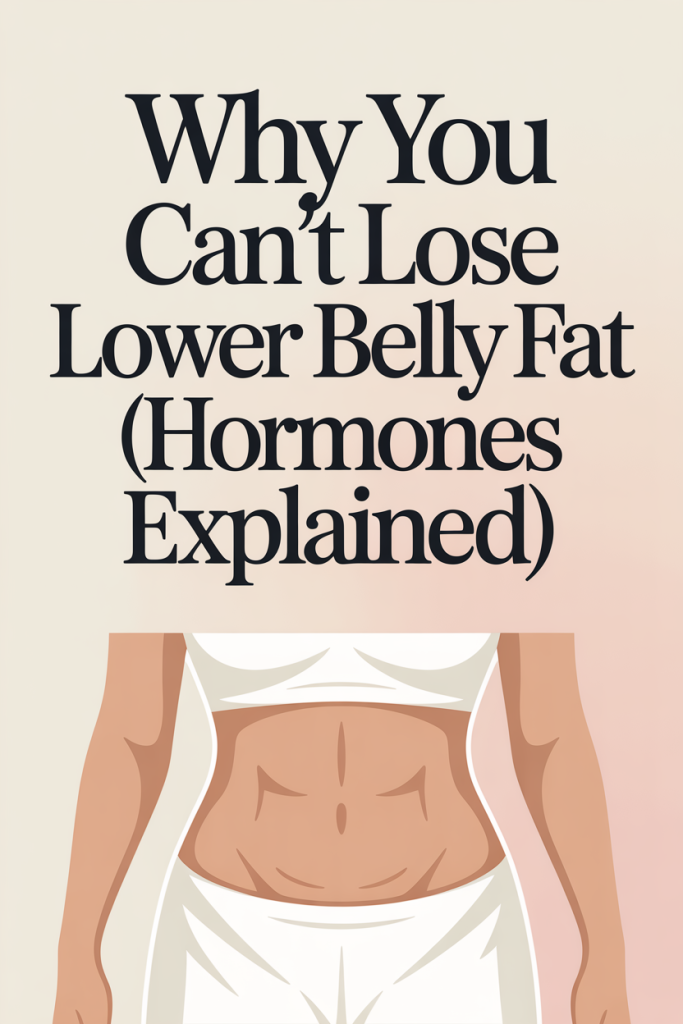
We’ve all been there: we cut calories, hit the gym, and still the lower belly refuses to budge. That stubborn pocket of fat isn’t just stubborn willpower, it’s biology, and hormones play a leading role. In 2026, our understanding of how hormones influence fat distribution is clearer than ever. This guide explains why you can’t lose lower belly fat, what hormones are involved, how life stages and lifestyle choices amplify the problem, and, most importantly, what evidence-based steps we can take to change it.
We’ll walk through the science without getting lost in jargon, show how to test for hormonal contributors, and give a practical, 12-week action plan that prioritizes insulin sensitivity, stress reduction, sleep, and exercise. If you’re tired of chasing quick fixes and want a reasoned path to change, read on: this is the hormonal roadmap for finally improving lower belly fat.
How Lower Belly Fat Differs From General Weight Gain
The Biology Of Fat Distribution: Visceral Vs. Subcutaneous
Not all fat is the same. We broadly separate fat into visceral (around organs) and subcutaneous (under the skin). Lower belly fat usually contains a mix of both, but visceral fat is the one most linked to metabolic risk, insulin resistance, inflammation, and cardiovascular disease, while subcutaneous fat is more of a cosmetic and mechanical issue.
Visceral fat is more metabolically active: it has a richer blood supply, more receptors sensitive to certain hormones (like cortisol), and it releases inflammatory cytokines that influence whole-body metabolism. Subcutaneous fat in the lower abdomen tends to be more resistant to breakdown because of differences in blood flow and receptor patterns.
How Hormones Determine Where Your Body Stores Fat
Hormones act like regional managers telling fat cells where to accumulate and when to let go. Insulin promotes fat storage, especially when levels are persistently high. Sex hormones, estrogen, progesterone, and testosterone, shape the typical patterns we associate with male- or female-type fat distribution. Cortisol, the stress hormone, shifts energy storage toward the abdomen. Thyroid hormones set the baseline energy burn and influence how readily we can mobilize stored fat.
Genetics sets the blueprint: hormones and lifestyle write the final address. That’s why two people with identical diets can store fat differently.
Common Misconceptions About Spot Reduction
We need to be blunt: spot reduction doesn’t work. Doing endless crunches won’t selectively melt lower belly fat. Fat loss happens systemically, when we create an energy deficit, our bodies decide where to pull energy from. The pattern of loss is determined by hormone signaling, receptor density, and blood flow to fat depots. That said, targeted strengthening of the core improves appearance and posture, and when combined with a whole-body fat-loss strategy, it helps reveal the midsection we want.
To summarize: lower belly fat is partially a regional problem driven by different fat types and hormonal signaling, not a failure of effort. Understanding that shifts our approach from endless ab work to fixing the hormonal and lifestyle drivers.
Key Hormones That Keep Lower Belly Fat Stubborn
Cortisol: Stress, Fat Redistribution, And Belly Fat
Cortisol is essential for life, but chronically elevated cortisol favors abdominal fat accumulation. Cortisol stimulates lipoprotein lipase in visceral fat, an enzyme that helps store triglycerides, and increases appetite and cravings for energy-dense foods. Nighttime cortisol elevation (from poor sleep, shift work, or chronic stress) is particularly potent in promoting abdominal fat.
We should note: transient cortisol spikes (exercise, acute stress) aren’t the enemy, recovery and normal diurnal rhythm matter most.
Insulin: Role In Fat Storage And How Insulin Resistance Targets The Abdomen
Insulin is the most anabolic hormone when it comes to fat. When insulin is high, fat breakdown (lipolysis) is suppressed and storage (lipogenesis) is enhanced. With repeated high-carbohydrate meals, ultra-processed foods, or inactivity, tissues become insulin resistant. Visceral fat both contributes to and results from insulin resistance, creating a vicious cycle where the abdomen becomes the primary storage for surplus energy.
Improving insulin sensitivity is one of the most effective levers to reduce lower belly fat.
Sex Hormones (Estrogen, Testosterone, Progesterone) And Fat Patterning
Sex hormones change fat distribution across the lifespan. Estrogen tends to favor gluteal-femoral fat (hips and thighs), while lower estrogen states, like after menopause, shift fat to the abdomen. Testosterone helps maintain lean mass and discourages central fat: when testosterone declines in men (or relatively in women), abdominal fat rises. Progesterone has subtler effects but interacts with estrogen in ways that influence appetite and fluid balance.
The take-home: changes in sex hormones, natural or induced, often explain why belly fat increases even without major caloric excess.
Thyroid Hormones: Metabolic Rate, Energy Use, And Fat Loss Resistance
Thyroid hormones set our basal metabolic rate. Subclinical or overt hypothyroidism reduces energy expenditure, makes us feel cold and sluggish, and can blunt weight loss even though efforts. Even subtle reductions in free T3 (the active thyroid hormone) can reduce lipolysis and impair fat oxidation, making the lower belly more resistant to change.
Other Players: Leptin, Ghrelin, And Adiponectin Briefly Explained
Leptin signals energy sufficiency and suppresses appetite: paradoxically, people with more fat often have leptin resistance, which blunts satiety and promotes overeating. Ghrelin is the hunger hormone: poor sleep and calorie restriction raise ghrelin and make adherence harder. Adiponectin improves insulin sensitivity and is lower in people with more abdominal fat. These hormones interplay with insulin and cortisol to influence how easily we store or lose belly fat.
How Life Stages And Sex Affect Hormonal Influence On Lower Belly Fat
Puberty, Pregnancy, And Postpartum Changes In Fat Distribution
During puberty, sex hormones drive sex-specific fat patterns: estrogen promotes peripheral fat in females: testosterone favors central lean mass in males. Pregnancy shifts the body’s priorities, insulin resistance increases physiologically to shunt nutrients to the fetus, and fat is stored strategically, often in the lower abdomen. Postpartum, many people find that pre-pregnancy fat distribution doesn’t fully return because of persistent hormonal shifts, sleep disruption, and lifestyle changes associated with caring for an infant.
Perimenopause And Menopause: Why Lower Belly Fat Increases
Perimenopause and menopause are among the most common reasons women notice increased lower belly fat. Declining estrogen and changes in progesterone alter where the body stores fat. Simultaneously, muscle mass tends to decline if activity isn’t maintained, lowering metabolic rate. Many women also experience sleep disruption and stress during this transition, compounding the effect.
Hormone replacement therapy (HRT) can help some people, but it’s not a universal fix and must be individualized.
Aging In Men: Testosterone Decline And Abdominal Fat Gain
In men, age-related testosterone decline shifts body composition toward higher fat, particularly centrally. Lower testosterone reduces muscle mass and strength, reduces basal metabolic rate, and removes a check on abdominal fat accumulation. Resistance training and addressing lifestyle factors can mitigate this decline, and in some cases medical therapy is appropriate after evaluation.
Lifestyle Drivers That Amplify Hormonal Effects
Sleep Deprivation And Circadian Disruption: Hormone Imbalance Risks
Sleep debt raises cortisol and ghrelin while lowering leptin and insulin sensitivity. Shift work or irregular sleep timing disrupts circadian regulation of metabolism, making the body more prone to store fat centrally. Prioritizing consistent sleep timing, daylight exposure, and sleep duration (7–9 hours for most adults) is foundational for hormonal balance.
Diet Patterns That Promote Insulin And Cortisol Problems
Frequent high-sugar meals, highly processed foods, and large late-night eating windows keep insulin elevated and blunt its daily rhythm. Extremely low-calorie diets can backfire by raising cortisol and reducing thyroid function, which slows metabolism. Instead, we should aim for dietary patterns that stabilize blood sugar: adequate protein, fiber-rich carbs, whole foods, and reasonable meal timing.
Chronic Stress, Sedentary Behavior, And Alcohol: Practical Impacts
Chronic psychological stress keeps cortisol elevated and increases comfort-eating. Sedentary time reduces muscle glucose uptake, worsening insulin sensitivity. Alcohol is calorie-dense, raises cortisol acutely, and promotes fat storage in the abdomen. Small, consistent changes, short walks, stress-reduction practices, reducing evening drinks, make measurable hormonal differences over time.
How To Test And Identify Hormonal Contributors In You
Which Lab Tests Matter (Cortisol, Fasting Insulin, Thyroid Panel, Sex Hormones)
If lower belly fat seems resistant even though reasonable diet and exercise, targeted testing helps. Useful labs include:
- Morning cortisol and, when warranted, late-night salivary cortisol or 24-hour urine free cortisol for suspected Cushing-spectrum problems.
- Fasting insulin and fasting glucose to estimate insulin resistance and calculate HOMA-IR.
- Full thyroid panel: TSH, free T4, free T3, and reverse T3 when symptoms suggest dysfunction.
- Sex hormones: total and free testosterone (in men and symptomatic women), estradiol and progesterone in women, ideally timed to cycle phase if premenopausal.
- Additional tests as indicated: lipid panel, hemoglobin A1c, CRP for inflammation, and possibly adiponectin or leptin in specialized settings.
We recommend working with a clinician to interpret tests in context, numbers alone rarely tell the whole story.
When To See A Doctor Or Endocrinologist
See a primary care provider if you have rapid unexplained weight gain, symptoms of hormonal disease (fatigue, hair loss, irregular menses, erectile dysfunction), or abnormal screening tests. If routine management fails or results are complex (e.g., suspected Cushing’s, thyroid or pituitary disease), an endocrinologist is appropriate.
Interpreting Results: What Counts As Clinically Relevant For Fat Loss
Mild lab deviations often correlate with symptoms: modestly low free T3 may reduce energy: elevated fasting insulin or HOMA-IR indicates metabolic risk and a target for lifestyle change. Clinically significant abnormalities (overt hypothyroidism, hypercortisolism, severe hypogonadism) often need medical therapy alongside lifestyle measures. We focus on treatable contributors that change the hormonal milieu enough to help reduce abdominal fat when combined with behavior change.
Evidence-Based Strategies To Reduce Lower Belly Fat (Hormone-Friendly Plan)
Nutrition: Meals, Timing, And Macro Guidance To Improve Insulin Sensitivity
Our nutritional strategy centers on improving insulin sensitivity without extreme restriction:
- Prioritize protein (25–35% of calories) to preserve muscle and blunt post-meal glucose.
- Choose fiber-rich carbs and minimize refined sugars and ultra-processed foods.
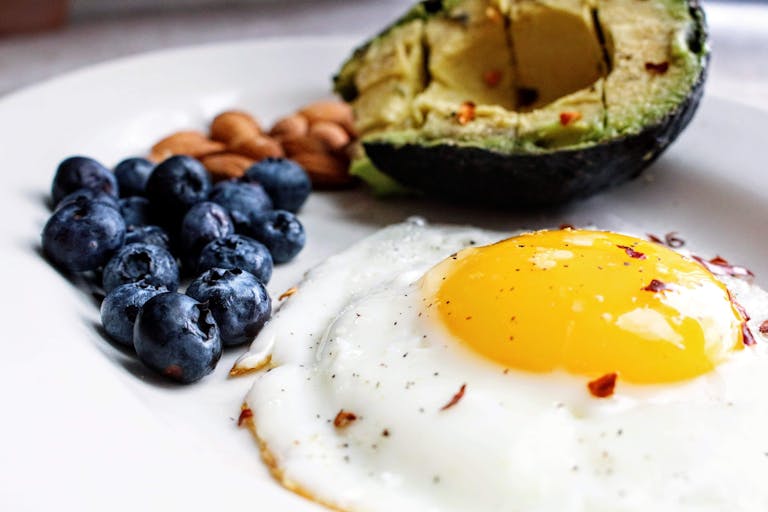
- Include healthy fats (olive oil, nuts, fatty fish) to improve satiety.
- Time carbohydrates around activity: more carbs around workouts and fewer late at night can help.
- Consider a modest evening fasting window (12–14 hours) to support circadian rhythm, avoid prolonged extreme fasting which can elevate cortisol.
Small consistent improvements beat aggressive short-term diets for sustainable abdominal fat loss.
Exercise: Best Combination Of Resistance, HIIT, And Low-Intensity Activity
Resistance training preserves or increases lean mass and improves insulin sensitivity, aim for 2–4 sessions weekly focusing on compound movements. High-intensity interval training (HIIT) helps mobilize fat and increase EPOC (post-exercise calorie burn), while daily low-intensity activity (walking, NEAT) reduces sitting time and improves glucose handling.
We recommend a weekly mix: 2 resistance days, 1–2 HIIT sessions, and most days include 30–60 minutes of low- to moderate-intensity movement.
Sleep, Stress Management, And Circadian Hygiene To Lower Cortisol
Sleep 7–9 hours with consistent timing. Use light exposure strategically: morning bright light to anchor circadian rhythm and limit blue light at night. Stress-management tools, brief daily mindfulness, breathwork, and prioritizing recovery, lower baseline cortisol. We find that even small, daily rituals (10 minutes of meditation, evening walk) compound to reduce physiological stress.
Medical Options: When Medications, HRT, Or Targeted Therapies Make Sense
Medical interventions can augment lifestyle when appropriate:
- Anti-obesity medications (GLP-1 receptor agonists, tirzepatide, etc.) have shown substantial central fat reductions and should be considered with medical supervision when BMI or metabolic disease criteria are met.
- Hormone replacement therapy (HRT) may help symptomatic menopausal women with abdominal fat but requires individualized risk–benefit discussion.
- Testosterone therapy in men with clinically low testosterone can improve body composition but needs monitoring.
- Metformin improves insulin sensitivity and may reduce visceral fat in insulin-resistant individuals: it’s not a weight-loss drug per se.
We stress: medications help, but they are most effective when combined with diet, exercise, and sleep interventions.
Supplements With Supporting Evidence (And What To Avoid)
A few supplements may support our goals, but they’re adjuncts, not miracles:
- Omega-3s: modestly improve metabolic markers and inflammation.
- Vitamin D: correct deficiency, low levels associate with central adiposity.
- Magnesium: supports sleep and glucose control in deficient individuals.
Avoid reliance on ‘‘fat-burning” supplements with weak evidence (conjugated linoleic acid, yohimbine in risky doses, thermogenics) and be cautious with stimulants that raise cortisol or disrupt sleep.
Designing A 12-Week Action Plan For Stubborn Lower Belly Fat
Week-By-Week Goals: Diet, Training, Sleep, And Stress Metrics
Weeks 1–2: Baseline and small wins
- Track food and sleep for 7 days. Measure waist and take photos.
- Start resistance training twice per week and add daily 20–30 minute walks.
- Carry out a consistent sleep schedule: aim for 7+ hours.
Weeks 3–6: Build habits and improve insulin sensitivity
- Increase resistance training to 3 sessions/week: add one HIIT session by week 5.
- Adjust macros: prioritize protein, reduce refined carbs, and shorten eating window to ~12–14 hours.
- Add daily stress-management practice (10 minutes).
Weeks 7–10: Intensify and monitor
- Maintain 3–4 resistance sessions: two HIIT sessions optional based on recovery.
- Reassess labs if indicated (fasting insulin, thyroid) and track progress photos.
- Fine-tune sleep and alcohol intake: remove evening heavy carbs if progress stalls.
Weeks 11–12: Evaluate and plan next phase
- Re-measure, compare photos, and test strength increases.
- Decide on medical evaluation if fat has remained stubborn even though adherence.
- Set maintenance or continued fat-loss targets for the next 12 weeks.
How To Track Progress Beyond The Scale (Measurements, Photos, Strength, Labs)
We recommend multiple metrics:
- Waist circumference (at the iliac crest) and standardized photos every 4 weeks.
- Strength metrics (squat, hinge, press) to ensure muscle preservation or gain.
- Body composition if available (DXA or reliable bioimpedance) for visceral fat trends.
- Labs (fasting insulin, glucose, thyroid) before and after the 12-week plan if hormonal issues are suspected.
These markers often move before the scale does, and they keep motivation up.
Realistic Expectations: Timelines And What Failure To Improve Might Mean
Expect gradual change. Visceral fat can decrease faster than subcutaneous lower abdominal fat, but visible changes may take 8–16 weeks. If we see no measurable improvements after strict adherence, that suggests a stronger hormonal driver, time to work with a clinician for targeted testing and possibly medical options. Patience, data, and a willingness to tweak variables matter more than chasing rapid results.
Common Mistakes And How To Avoid Them
Overemphasis On Ab Exercises And Quick Fixes
Crunches won’t outwork hormonal drivers. Ab exercises are useful for strength and appearance, but they won’t melt lower belly fat alone. We should focus energy on systemic approaches, nutrition, resistance training, sleep, and stress management, rather than gadget-based or spot-reduction claims.
Undereating, Yo-Yo Dieting, And Metabolic Slowdown
Severe calorie restriction often backfires: it raises cortisol, reduces thyroid activity, and promotes muscle loss, eventually making fat regain and abdominal storage more likely. Sustainable, moderate deficits combined with resistance training preserve metabolic health.
Neglecting Hormonal Evaluation Or Chronic Stress Management
Ignoring possible hormonal contributors or minimizing persistent stress leaves the real causes untreated. If lifestyle changes aren’t working as expected after 8–12 weeks of consistent effort, we must test and investigate rather than double down on more restriction or exercise alone.
Conclusion
Lower belly fat is often the visible tip of deeper hormonal and lifestyle dynamics. We can’t out-exercise a disrupted endocrine system, and relentless ab work won’t defeat cortisol, insulin resistance, or age-related hormonal shifts. But we aren’t powerless. By prioritizing sleep, stabilizing blood sugar, preserving muscle through resistance training, managing stress, and using medical therapies thoughtfully when indicated, we change the hormonal context that protects abdominal fat.
This is a practical, data-driven path, not a promise of overnight transformation. If we approach the problem with measured testing, consistent habits, and realistic expectations, the stubborn lower belly becomes a solvable piece of the bigger metabolic picture. Let’s start with one reliable sleep schedule, a strength session this week, and a plan to check fasting insulin if progress stalls, small steps that add up to meaningful change.
Want More From Nick?
Join The Health-First Fat Loss Club
✓ All 16+ Programs
✓ Private Community
✓ Weekly New Content
✓ Cancel Anytime
Nick Garcia
Health & Nutrition Expert · 15+ Years Experience