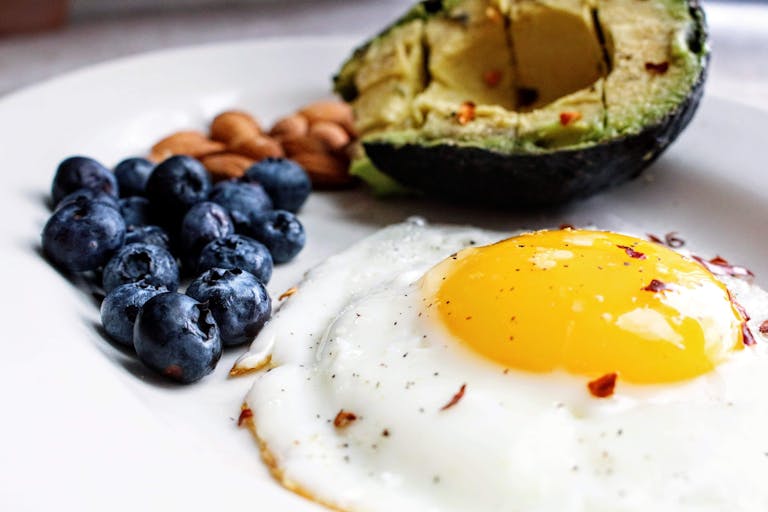
We’re entering 2026 with better tools and clearer science for weight loss that actually respects our hormones. Instead of one-size-fits-all calorie cutting, hormone-friendly weight loss means choosing foods, timing meals, and building habits that support insulin, thyroid, sex hormones, leptin, ghrelin, and cortisol, so we lose fat, preserve muscle, and keep cravings and energy in check. In this guide we’ll explain how hormones drive weight, which foods to prioritize or avoid, meal timing strategies, lifestyle levers that matter, special-population adjustments, practical meal plans, and when to seek clinical help. Our goal: practical, evidence-informed steps you can use starting this week.
How Hormones Drive Weight Gain And Loss—The Big Picture
Hormones are chemical messengers. They tell tissues when to store fat, burn fuel, feel hungry, or rest. When those signals are balanced, our appetite, energy use, and body composition tend to cooperate. When they’re out of sync, we may gain weight even though reasonable effort.
Key Hormones That Affect Body Weight
- Insulin: The main regulator of blood sugar and a powerful promoter of fat storage when elevated chronically. Frequent high insulin spikes from refined carbs and excess calories shift metabolism toward storing fat, particularly around the abdomen.
- Leptin: Produced by fat cells, leptin signals fullness to the brain. In obesity we often see leptin resistance, high leptin levels but dull brain response, so appetite remains high.
- Ghrelin: The “hunger hormone” rises between meals and before sleep: it encourages eating. Poor sleep, rapid weight loss, and very low-calorie diets can elevate ghrelin and drive rebound eating.
- Cortisol: The stress hormone affects appetite, food choices, and where we store fat, high cortisol favors visceral (belly) fat and can increase cravings for energy-dense foods.
- Thyroid hormones (T3, T4): These govern basal metabolic rate. Underactive thyroid slows metabolism and can make weight loss harder, while excess thyroid speeds it up.
- Sex hormones (estrogen, progesterone, testosterone): They influence fat distribution, muscle mass, and metabolic rate. Changes across the menstrual cycle, pregnancy, or menopause shift energy balance.
How Hormone Imbalances Change Appetite, Metabolism, And Fat Storage
Hormone imbalances change the set points that control hunger and energy expenditure. Elevated insulin and cortisol together increase fat storage and hunger for sugary, high-fat foods. Low thyroid function reduces resting energy expenditure and can blunt weight loss. Leptin resistance makes it hard to feel satisfied, pushing us to eat more even when energy stores are adequate. These shifts aren’t just physical, they alter mood, motivation, and sleep, creating a feedback loop that reinforces weight gain.
Signs You May Have Hormone-Related Weight Issues
We should suspect hormonal contribution when:
- Weight clusters in the abdomen even though exercise and reasonable calories.
- Persistent fatigue, cold intolerance, or hair thinning suggests thyroid dysfunction.
- Intense carb cravings, acne, irregular periods, or extra facial hair point toward PCOS/insulin resistance in people with ovaries.
- Poor sleep, high stress, or reliance on stimulants/coffees coincide with weight plateaus.
- Rapid weight changes during perimenopause/menopause even though consistent habits.
If multiple signs are present, it’s sensible to combine targeted nutrition and lifestyle changes with clinical testing and guidance rather than relying on diet alone.
Foods To Prioritize For Hormone Balance
Food choices can either support hormone patterns that favor fat loss or exacerbate imbalance. We focus on whole, minimally processed items that stabilize blood sugar, provide building blocks for hormones, and feed a healthy microbiome.
High-Quality Protein: Types, Portions, And Timing
Protein stabilizes blood sugar, increases satiety, and preserves lean mass, critical for sustaining metabolic rate during weight loss. Prioritize a mix of:
- Lean animal proteins: poultry, fish, lean beef, and eggs, rich in complete amino acids and easily used to build muscle and produce hormones.
- Plant proteins: legumes, tofu, tempeh, and edamame, pair with grains or seeds for complete profiles when needed.
- Dairy or dairy alternatives (if tolerated): Greek yogurt and cottage cheese offer protein and probiotics.
Portions: aim for ~20–40g of protein per meal depending on body size and activity, with at least 20–30g at breakfast to blunt morning hunger. Spreading protein evenly across meals preserves muscle and stimulates muscle protein synthesis more effectively than skewing it to one meal.
Fiber-Rich Vegetables, Low-Glycemic Carbs, And Resistant Starch
Fiber and slow-digesting carbs slow glucose absorption, reducing insulin spikes and helping with satiety. Choose:
- Non-starchy vegetables (leafy greens, broccoli, peppers) liberally.
- Low-glycemic whole grains: steel-cut oats, barley, quinoa, and bulgur.
- Resistant starch sources: cooled cooked potatoes, green bananas, and beans, these feed beneficial gut bacteria and improve insulin sensitivity.
Aiming for 25–35g of fiber daily supports gut health and keeps blood sugar steady.
Healthy Fats That Support Hormone Production (Omega-3s, Monounsaturated Fats)
Fats are essential for making sex hormones and maintaining cell membrane integrity. Prefer:
- Omega-3 rich foods: fatty fish (salmon, sardines, mackerel), chia, flaxseed, and walnuts. Omega-3s reduce inflammation and may improve insulin sensitivity.
- Monounsaturated fats: olive oil, avocados, and almonds, supportive for cardiovascular and hormonal health.
We don’t need to fear fats when they replace refined carbs: they improve satiety and can help control caloric intake naturally.
Fermented Foods, Polyphenols, And Micronutrients That Help Hormones (Vitamin D, Magnesium, Iodine)
- Fermented foods: yogurt, kefir, sauerkraut, kimchi, and miso introduce beneficial microbes that influence estrogen metabolism and insulin sensitivity.
- Polyphenol-rich foods: berries, green tea, dark chocolate (70%+), and colorful vegetables help reduce inflammation and support metabolic signaling.
- Key micronutrients:
- Vitamin D: low levels link to weight gain and insulin resistance, safe supplementation and sensible sun exposure help.
- Magnesium: supports glucose regulation and sleep: found in nuts, seeds, leafy greens.
- Iodine and selenium: needed for thyroid hormone production: sources include iodized salt, seaweed, Brazil nuts (selenium).
In practice, building plates around protein, vegetables, modest low-glycemic carbs, and healthy fats, plus fermented foods and varied produce, creates a hormone-friendly eating pattern that’s sustainable.
Foods And Substances To Avoid Or Limit
While ‘avoid’ can sound strict, our aim is to reduce foods and exposures that spike insulin, increase inflammation, or interfere with hormone signaling. We focus on patterns, not perfection.
Added Sugars And Refined Carbohydrates: Effects On Insulin And Belly Fat
Foods high in added sugar and refined carbs (sodas, pastries, white bread, many snack foods) cause rapid blood glucose and insulin spikes. Repeated spikes drive fat storage, increase hunger, and promote visceral fat accumulation. Reducing these foods lowers average insulin exposure, helpful for abdominal fat loss and for improving metabolic markers.
Practical tip: swap sugary beverages for sparkling water with lemon, choose whole fruits over fruit juice, and prioritize whole grains.
Highly Processed Foods, Industrial Seed Oils, And Trans Fats
Ultra-processed foods often combine added sugars, refined starches, and industrial seed oils, ingredients that can promote inflammation and dysregulated appetite. Industrial seed oils high in omega-6 (soybean, corn, sunflower) in excess may alter inflammatory pathways: we suggest favoring olive oil and canola in moderation and minimizing fried fast food. Artificial trans fats (partially hydrogenated oils) remain harmful and should be avoided entirely.
Endocrine Disruptors In Packaging, Personal Care, And Food (What To Look For)
Chemicals like BPA, phthalates, and certain flame retardants can interfere with hormone receptors and metabolism. Practical steps:
- Reduce canned food consumption or choose BPA-free cans.
- Avoid heating food in plastics and switch to glass or stainless for storage.
- Choose fragrance-free or phthalate-free personal care products where possible.
These exposures aren’t typically sole drivers of weight gain, but minimizing them reduces cumulative risk to our endocrine system.
Caffeine, Alcohol, And Their Effects On Cortisol, Sleep, And Weight
- Caffeine: Moderate intake can boost metabolism and exercise performance, but late-day caffeine may disrupt sleep and elevate evening cortisol, both of which impair weight control. Be mindful of timing.
- Alcohol: Alcohol supplies empty calories, increases appetite, and interferes with sleep and fat oxidation. Regular drinking is associated with higher abdominal fat for many people.
We don’t need to eliminate either for everyone, but we should use them strategically: limit alcohol, avoid late caffeine, and monitor individual responses.
Meal Timing, Patterns, And Portion Strategies For Hormone Health
When we eat matters, both for circadian biology and for hormonal responses to food. Smart timing can reduce insulin exposure, improve sleep, and support muscle retention.
Circadian Eating And Time-Restricted Feeding: Practical Approaches
Circadian eating aligns food intake with daytime activity and nighttime rest. Time-restricted feeding (TRF) narrows daily eating to a consistent window (e.g., 10–12 hours). Evidence shows modest benefits for weight, insulin sensitivity, and sleep when most calories are consumed earlier in the day. Practical options:
- 12:12 approach (eat between 8 am–8 pm) for beginners.
- 10:14 or 10:8 windows (eat between 9 am–7 pm or 10 am–6 pm) for those who tolerate longer fasts.
We recommend easing in, avoid late-night heavy meals and make your largest meal earlier when possible.
Meal Composition And Protein Distribution To Support Satiety And Muscle
Distribute protein across meals (20–40g each) to blunt ghrelin, increase fullness, and preserve muscle. Combine protein with fiber and healthy fats to extend satiety and reduce insulin spikes. A typical hormone-friendly plate: half non-starchy vegetables, one-quarter lean protein, one-quarter low-glycemic carbs or starchy vegetable, and a fist-sized portion of healthy fat.
Pre- and Post-Workout Nutrition For Hormone-Friendly Metabolism
Pre-workout: a light meal or snack with protein and carbs (e.g., Greek yogurt with berries) fuels performance without excessive insulin spikes. Post-workout: prioritize 20–30g protein and a moderate carb source to support muscle repair and glycogen replenishment, this improves insulin sensitivity and helps maintain lean mass during weight loss.
For evening workouts, finish at least 60–90 minutes before bed and keep post-workout snacks light to avoid sleep disruption.
Lifestyle Factors That Amplify Or Undermine Hormone-Friendly Weight Loss
Nutrition is necessary but not sufficient. Lifestyle factors determine how well our hormones respond to dietary changes.
Sleep Quality, Stress Management, And Cortisol Control
Poor sleep raises ghrelin, lowers leptin, increases cortisol, and worsens insulin sensitivity, an endocrine triple threat. We aim for consistent sleep timing and 7–9 hours per night. Stress management (mindful breathing, short walks, brief relaxation practices) lowers cortisol spikes that encourage abdominal fat and late-night snacking. Small daily practices, 15 minutes of mindfulness, a gratitude list, or a brief evening wind-down, compound over weeks.
Exercise: Strength Training, HIIT, And Low-Intensity Activity For Hormones
- Strength training preserves and builds muscle, boosting resting metabolic rate and improving insulin sensitivity. Two to three sessions per week targeting major muscle groups is minimum-effective dose.
- HIIT (high-intensity interval training) can increase post-exercise fat oxidation and improve insulin action in shorter sessions.
- Low-intensity activity (walking, standing, non-exercise movement) reduces long sedentary periods and favorably affects glucose regulation.
We recommend a balanced program: regular strength work, one or two HIIT sessions if tolerated, and daily movement to reduce sitting time.
Gut Health, Microbiome Support, And Its Role In Hormone Regulation
The gut microbiome influences estrogen metabolism, inflammation, and appetite hormones. Strategies for a resilient microbiome include fiber diversity, fermented foods, limiting unnecessary antibiotics, and occasionally including resistant starch. While probiotics have variable effects and are strain-specific, fermented foods and plant variety are low-cost, high-yield investments for both gut and hormone health.
Special Populations And Considerations
Hormone-friendly weight loss isn’t identical for everyone. We must adapt recommendations for common conditions.
PCOS: Dietary Strategies That Improve Insulin Sensitivity
Polycystic ovary syndrome (PCOS) is often linked to insulin resistance. Key strategies:
- Prioritize low-glycemic carbs, higher protein intake, and healthy fats to blunt insulin spikes.
- Emphasize weight loss of even 5–10% of body weight to improve menstrual regularity and fertility in many people with PCOS.
- Consider resistance training to improve body composition and insulin action.
Medical therapies (metformin, hormonal contraceptives) are often paired with lifestyle changes, coordinate with a provider.
Menopause And Perimenopause: Adjusting Calories, Protein, And Strength Work
With declining estrogen, fat distribution shifts and muscle mass tends to fall, reducing resting metabolic rate. We recommend:
- Slightly increasing protein and prioritizing strength training to preserve lean mass.
- Mindful calorie adjustments, don’t over-restrict, which can worsen bone and muscle loss.
- Attention to sleep and hot-flush triggers (caffeine, alcohol) which can indirectly affect weight and appetite.
Thyroid Conditions: When To Modify Macronutrients And Seek Medical Guidance
Hypothyroidism slows metabolism and requires medical evaluation. Nutrition can support thyroid health, ensure adequate iodine and selenium, but medication (levothyroxine) is often necessary. If you suspect thyroid dysfunction, we advise testing before making major dietary changes that assume normal thyroid function. Rapidly cutting calories isn’t the solution: instead, stabilize diet and work with an endocrinologist or primary care clinician.
Practical Tools: Sample 7-Day Meal Plan, Shopping List, And Snack Ideas
We rarely change habits without practical scaffolding. Below is a condensed, hormone-supportive plan and tools to make implementation realistic.
One-Day Sample Menus (Breakfast, Lunch, Dinner, Snacks)
Day example (repeatable with small swaps):
- Breakfast: Scrambled eggs with spinach and smoked salmon, slice of whole-grain toast, and half an avocado. (High protein, healthy fats, vitamin D from salmon)
- Snack: Greek yogurt with chia seeds and a small handful of berries. (Protein + fermented food)
- Lunch: Large salad with mixed greens, quinoa, roasted chickpeas, mixed vegetables, olive oil vinaigrette, and grilled chicken.
- Snack: Apple slices with almond butter or a small handful of walnuts.
- Dinner: Baked salmon, roasted Brussels sprouts, and ½ cup cooled roasted sweet potato (resistant starch once cooled).
- Optional evening: Chamomile tea, and avoid caffeine/alcohol within 3 hours of bedtime.
We’d rotate proteins, swap legumes for animal proteins occasionally, and vary vegetables and whole grains.
Simple Shopping List And Pantry Staples For Hormone Support
Proteins: eggs, salmon, chicken breast, canned wild sardines, tofu, Greek yogurt.
Carbs & fiber: steel-cut oats, quinoa, beans, sweet potatoes, mixed berries.
Fats: extra-virgin olive oil, avocado, almonds, chia and flax seeds.
Fermented: plain yogurt, kefir, sauerkraut.
Pantry: canned tomatoes (BPA-free if possible), low-sodium broth, spices (turmeric, cinnamon), apple cider vinegar.
Extras: iodized salt, magnesium-rich dark leafy greens, and a quality multivitamin if dietary gaps exist.
Quick Recipes And Meal-Prep Tips To Save Time
- Batch roast a tray of mixed vegetables and a large protein portion on Sunday: assemble salads or bowls through the week.
- Overnight oats with chia and protein powder make a fast, high-fiber breakfast.
- Make a big pot of lentil soup (protein + fiber + resistant starch when cooled) and portion into single-serve containers.
- Pre-portion snacks (nuts, cut veggies) to avoid impulse choices.
Consistency beats perfection. If we prepare a few staples, we’re far more likely to make hormone-supportive choices when life gets busy.
When To See A Clinician, Tests To Consider, And Safe Supplement Guidance
We should combine self-care with medical evaluation when symptoms suggest underlying disease or when weight doesn’t respond to sensible changes.
Baseline Labs And Symptoms To Discuss With Your Provider
Ask your clinician about:
- Fasting glucose and HbA1c (insulin resistance/diabetes screening)
- Fasting insulin (if available) for earlier detection of insulin resistance
- Lipid panel (cholesterol, triglycerides)
- Thyroid panel: TSH, free T4, free T3, and thyroid antibodies if indicated
- Sex hormones as relevant: total testosterone, SHBG, estradiol, and progesterone timing-specific tests for menstrual irregularity
- Vitamin D and basic metabolic panel (electrolytes, kidney function)
Bring a concise symptom list, sleep problems, menstrual changes, fatigue, hair changes, and medication list, to guide testing.
Evidence-Based Supplements That May Help (What The Research Says)
Supplements can fill gaps but aren’t replacements for diet and lifestyle. Evidence-backed options include:
- Vitamin D: for deficiency, improves metabolic outcomes in deficient people.
- Magnesium: modest benefits for sleep and glucose regulation when deficient.
- Omega-3 fish oil: anti-inflammatory effects and potential modest insulin-sensitivity benefits.
- Probiotics: strain-specific, may help metabolic markers in some studies but choose clinically studied strains and expect variable results.
Avoid polypharmacy without guidance. Supplements interact with medications and conditions: check with a clinician.
Red Flags And When To Avoid Self-Treatment
Seek prompt care if:
- Rapid unexplained weight gain or loss.
- Symptoms of severe thyroid dysfunction (rapid heart rate, profound weight loss, or extreme fatigue and cold intolerance).
- Signs of adrenal crisis (severe weakness, low blood pressure).
- Pregnancy or planned pregnancy, don’t start restrictive diets or unproven supplements without medical advice.
When in doubt, we prioritize testing and personalized recommendations rather than DIY approaches that risk delaying diagnosis or causing harm.
Conclusion
Hormone-friendly weight loss is less about a single magic food and more about consistent patterns that protect insulin sensitivity, preserve muscle, support sleep, and reduce chronic stress. By prioritizing high-quality protein, fiber-rich plants, healthy fats, fermented foods, and minimizing refined carbs and endocrine disruptors, we set the metabolic stage for sustainable fat loss. Pair these nutritional choices with adequate sleep, strength training, and sensible meal timing, and we dramatically improve our odds of losing weight and keeping it off.
We recommend starting with small, concrete changes: add a protein at each meal, move your eating window earlier, sleep a bit more, and schedule two strength sessions weekly. If symptoms suggest an underlying hormonal disorder, get appropriate testing and medical guidance. With that combined approach, food, movement, sleep, and the right clinical support, we can make 2026 the year we finally tame the hormonal roadblocks to lasting weight loss.