We’ve all heard that protein is the building block of muscle, satiety, and a “fast” metabolism. Yet even though eating protein, many of us plateau, feel hungrier, or notice our weight creeping up while exercise feels less rewarding. There’s one common, and surprisingly avoidable, protein mistake that quietly undermines metabolism, body composition, and energy.
In this text we’ll define that mistake in practical terms, explain exactly how it slows metabolic rate, and give evidence-based targets for how much and when to eat protein. We’ll also compare quality sources, lay out a protein-pacing approach, and finish with a six-week action plan you can follow step by step. This isn’t calorie-shaming or a magic pill, it’s a simple, research-backed shift in how you use protein to protect muscle, hormones, and the calories your body burns at rest.
Let’s break down what people mean by “the protein mistake,” why it matters, and how we can fix it in six weeks so our metabolism starts working for us again.
What People Mean By “The Protein Mistake”
When people talk about “the protein mistake” they usually mean one of two related errors: eating too little total protein for body composition and activity, or distributing protein unevenly across the day (for example, a tiny protein breakfast and a huge dinner). Both look like “we ate protein” on a food diary, yet they fail to preserve muscle and optimize metabolic signaling.
Behind the misconception is a few myths we hear often: “a little protein is enough,” “protein is only important for athletes,” or “I’ll just take a shake after workouts.” Those aren’t completely wrong, protein shakes are useful and athletes need more protein, but they miss the bigger point. The mistake is not that we consume protein occasionally. It’s that we don’t consume enough high-quality protein, often enough, and in the right pattern to sustain muscle and metabolic rate.
Practically speaking, the protein mistake looks like:
- Eating a carb-heavy breakfast (bagel, cereal) with very little protein.
- Skipping protein at snacks and relying on carbohydrates to get through the afternoon.
- Assuming adult protein needs are minimal compared to childhood needs.
- Not adjusting protein intake when losing weight or aging.
If this sounds familiar, we’re about to outline why that pattern forces our bodies to give up precious muscle and slow resting metabolic rate, and how to reverse it.
Why Protein Matters For Metabolism
Protein is central to metabolism for three core reasons: it preserves muscle mass, it affects hormones that regulate appetite and energy balance, and it increases the thermic effect of food (TEF), which is the energy used to digest and process nutrients.
First, muscle tissue is metabolically active. Even at rest, skeletal muscle consumes calories. When we lose muscle, whether through underfeeding, aging, or inactivity, our resting metabolic rate (RMR) drops. Protein supplies the amino acids needed for muscle protein synthesis, the process that repairs and builds muscle. Without enough protein, net muscle loss occurs and RMR falls.
Second, protein strongly influences hormones that regulate hunger and satiety. High-protein meals raise peptides like glucagon-like peptide-1 (GLP-1) and peptide YY (PYY), while reducing levels of the hunger hormone ghrelin. That helps us naturally eat fewer calories without feeling deprived, a key feature for sustainable weight control.
Third, protein has a higher thermic effect of food than carbs or fat. About 20–30% of the calories in protein are used during digestion and metabolism, compared to roughly 5–10% for carbs and 0–3% for fats. That means protein-rich diets modestly increase total daily energy expenditure.
Combine these mechanisms, muscle preservation, favorable hormonal responses, and higher TEF, and it’s clear why protein is a metabolic ally. When we underdose protein or mis-time it, we lose that advantage.
How The Common Protein Mistake Actually Slows Your Metabolism
Below we break down the physiologic cascade that follows the protein mistake. These aren’t abstract ideas, they’re linked steps that make metabolism less efficient and body composition worse over time.
Signs You’re Making This Protein Mistake Right Now
We can’t read your food diary, but we can list practical signs that suggest we’re underserving our metabolism with protein:
- Persistent hunger between meals, even though eating “enough” calories.
- Difficulty building or maintaining strength during resistance training.
- Weight regain after dieting, especially fat rebound rather than lean recovery.
- Low energy, afternoon crashes, or needing sugary snacks to get through the day.
- Small or no protein at breakfast and snacks, with most protein concentrated at dinner.
If two or more of these sound familiar, we’re likely making at least one aspect of the protein mistake, either total quantity, distribution, or quality. The good news: these are reversible within weeks when we change intake and training.
How Much Protein You Really Need: Evidence-Based Targets
Protein recommendations vary by source and goal, but evidence-based ranges give us a practical framework. General adult maintenance often cited is 0.8 g/kg/day, but this minimum is meant to prevent deficiency, not to optimize muscle preservation or metabolic health. For active adults, those dieting, or older adults, higher intakes are supported by research.
A useful target range:
- Sedentary adults aiming for maintenance: 1.0–1.2 g/kg/day.
- Active adults and those aiming for body recomposition: 1.4–1.8 g/kg/day.
- Older adults (60+), especially to prevent sarcopenia: 1.2–1.6 g/kg/day.
- For aggressive fat loss while preserving muscle: up to 2.0 g/kg/day in short phases, especially for resistance-trained individuals.
These targets are practical and supported by meta-analyses showing better preservation of lean mass and improved satiety with higher protein intakes.
Calculating Your Protein Needs (Per Kg, Per Meal)
To calculate per kilogram, we multiply body weight (in kg) by the target range. For example, a 75 kg (165 lb) active person aiming for 1.6 g/kg would target 120 g of protein per day (75 × 1.6 = 120).
Per-meal protein matters too for stimulating muscle protein synthesis. Emerging evidence suggests ~0.4–0.55 g/kg per meal, spread evenly across 3–4 meals, optimizes synthesis. For our 75 kg example, that’s roughly 30–40 g per meal across three meals.
Adjusting Targets For Age, Activity Level, And Goals
Activity: Endurance athletes may need the lower end of the active range: strength athletes and those in heavy resistance training lean toward the higher end.
Age: Older adults benefit from higher per-meal protein (0.4–0.6 g/kg) because of anabolic resistance, the muscle’s reduced sensitivity to protein.
Goals: During calorie restriction we increase protein toward 1.6–2.0 g/kg to protect muscle. During weight maintenance or a muscle-building phase we can target the middle of the range and focus on training volume.
In short, personalize within evidence-based ranges: the context of age, activity, and goals determines where we should land.
Best Protein Sources And Practical Meal Examples
Not all proteins are equal in amino acid profile, digestibility, or convenience. We should prioritize high-quality proteins that provide complete essential amino acids, especially leucine, which plays an outsized role in triggering muscle protein synthesis.
High-Quality Animal Proteins Versus Plant Proteins: Pros And Cons
Animal proteins (chicken, beef, fish, eggs, dairy) are typically complete proteins with high bioavailability and robust leucine content. They’re efficient at stimulating muscle protein synthesis and are easy to dose precisely.
Plant proteins (legumes, tofu, tempeh, seitan, quinoa) can absolutely meet protein needs, but often lack one or more limiting amino acids and may require combining sources (e.g., rice + beans) or larger portions to equal the leucine trigger. Plant-based eaters should pay attention to protein density and consider fortified options or blends.
Pros of animal proteins:
- High biological value and leucine content
- Easier portion control for per-meal targets
Cons:
- Environmental and ethical considerations for some
- Can be higher in saturated fat if choices are processed or fatty cuts
Pros of plant proteins:
- Lower environmental footprint, high fiber, and micronutrient variety
- Useful for those avoiding animal products
Cons:
- Often lower leucine per serving: may require more food volume
- Some plant sources include anti-nutrients (reduced by cooking/soaking)
Easy, Balanced Meal and Snack Examples For Protein Distribution
Breakfast:
- Greek yogurt (1 cup) with berries and 2 tbsp chopped nuts, ~20–25 g protein.
- Omelet: 3 eggs + spinach + 1 oz cheese, ~20–25 g.
- Overnight oats with 1 scoop whey or pea protein + milk, 20–30 g.
Lunch:
- Grilled chicken salad (4–6 oz chicken) + quinoa, 35–45 g.
- Lentil and tofu Buddha bowl with mixed veggies and tahini, 25–35 g.
Afternoon snack:
- Cottage cheese with fruit, 15–20 g.
- Hummus + edamame or a protein bar (check macros), 10–20 g.
Dinner:
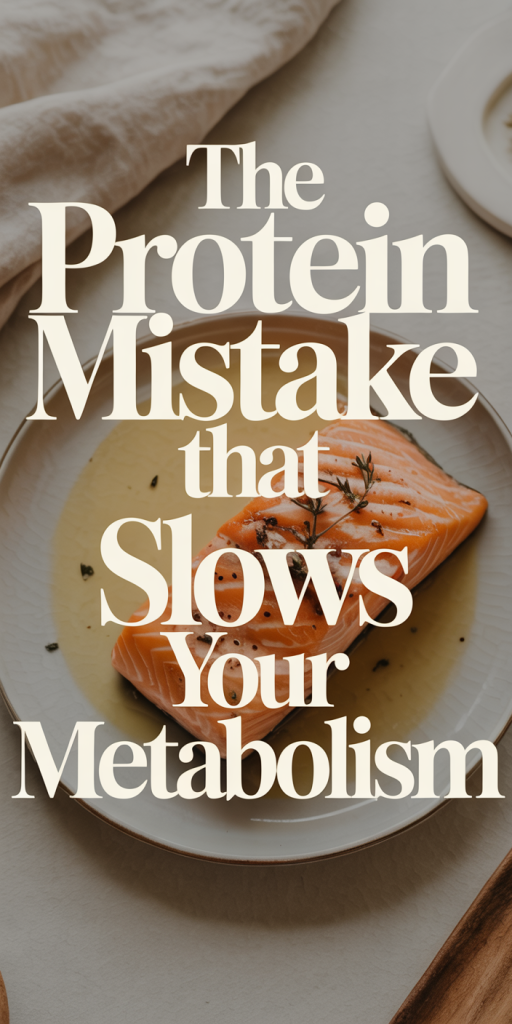
- Salmon (5–6 oz) + sweet potato + broccoli, 35–45 g.
- Stir-fry with tempeh and assorted vegetables over brown rice, 25–35 g.
Before bed (optional for some):
- Casein-rich cottage cheese or a small shake, 15–20 g to support overnight repair.
These examples help us reach per-meal targets and distribute protein across the day, which is critical for maintaining muscle and metabolic rate.
Timing And Distribution: Protein Pacing To Protect Metabolism
Timing and distribution of protein across meals, often called protein pacing, is a simple strategy with strong practical benefits. Rather than loading most protein at dinner, we aim for a more even spread so each meal provides a robust stimulus for muscle protein synthesis.
Protein pacing helps in three ways:
- Keeps appetite stable across the day by leveraging protein’s satiety effects.
- Provides repeated anabolic signals to maintain or build muscle.
- Reduces the risk that muscle breakdown exceeds synthesis during long fasting periods (e.g., breakfast skipping).
Below we summarize what the science says about two common timing questions and give daily routine options.
Protein Around Workouts And Before Bed: What Science Shows
Around workouts: Consuming protein within a few hours before or after resistance training supports muscle protein synthesis. A common, practical guideline is 20–40 g of protein within a window spanning ~2 hours pre- to post-exercise, depending on training intensity and body size. If we’ve had a high-protein meal 1–2 hours before training, the urgency for extra post-workout protein lessens.
Before bed: Casein or whole-food protein before sleep (20–40 g) can supply amino acids overnight and has been shown to increase overnight muscle protein synthesis and improve overnight nitrogen balance. This is especially helpful during calorie restriction or for older adults.
Simple Daily Routines To Spread Protein Evenly
Routine A, Three meals + snack (balanced for many busy adults):
- Breakfast: 30–35 g
- Lunch: 30–35 g
- Afternoon snack: 15–20 g
- Dinner: 30–35 g
Routine B, Four even meals (good for those exercising or older adults):
- Breakfast: 25–30 g
- Midday meal: 25–30 g
- Post-workout/afternoon: 25–30 g
- Dinner: 25–30 g
Routine C, Intermittent fasting variant (condensed feeding window):
- Break-fast (first meal): 40–50 g
- Mid-window meal: 40–50 g
- Pre-bed snack: 15–20 g (to reduce long overnight fasting)
The key is consistent per-meal thresholds that trigger muscle protein synthesis, not perfection. Small, achievable adjustments (adding eggs to breakfast, a scoop of protein to oatmeal, or a portion of Greek yogurt midafternoon) add up.
A 6-Week Action Plan To Correct The Mistake And Rev Up Metabolism
We designed this six-week plan to be realistic and progressive. It combines protein targets, protein distribution, and strength training to preserve or rebuild muscle while supporting metabolic rate.
Principles:
- Increase protein to individualized target (see earlier section).
- Spread protein across meals to reach per-meal thresholds.
- Add or prioritize resistance training 2–4 times per week.
- Track key metrics and adjust calories modestly if weight change is undesired.
Week-By-Week Goals, Sample Meal Plans, And Strength-Training Template
Week 1, Baseline and small wins:
- Goal: Calculate target protein (use 1.4–1.6 g/kg as starting point for active adults). Add one protein-focused habit (e.g., protein at breakfast).
- Meals: Add 20–30 g protein to breakfast (eggs, Greek yogurt, or protein-fortified oatmeal).
- Training: Start resistance sessions twice this week (30–40 minutes, focusing on compound lifts: squats, push/pull, hinge).
Week 2, Distribution and consistency:
- Goal: Reach per-meal protein threshold at two meals daily.
- Meals: Ensure lunch and dinner each contain 30–40 g protein: add a 15–20 g snack.
- Training: 2–3 resistance sessions: focus on progressive overload (add small weight or reps).
Week 3, Increase and refine:
- Goal: Achieve full daily protein target and protein spread across 3 meals.
- Meals: Aim for 30–35 g at breakfast, lunch, dinner, with an optional 15 g bedtime snack for recovery.
- Training: 3 sessions: include one higher-volume session for hypertrophy (8–12 reps).
Week 4, Intensify protein quality and timing:
- Goal: Emphasize leucine-rich sources and post-workout protein.
- Meals: Add whey or mixed plant protein post-workout if training: focus on fish, poultry, legumes.
- Training: 3–4 sessions: add one compound lift progression and increased intensity.
Week 5, Consolidation and measurement:
- Goal: Maintain dietary improvements while assessing progress.
- Measure: Strength gains (reps or load), energy, and body measurements.
- Training: Maintain 3–4 weekly sessions with a balance of strength and accessory work.
Week 6, Tune and plan forward:
- Goal: Fine-tune calories and protein for the next phase (maintenance, further fat loss, or muscle gain).
- Outcome: Expect improved strength, steadier appetite, possible minor body composition changes.
- Training: Continue structured resistance training: create a 12-week plan if desired.
Strength-Training Template (3 days/week):
- Day A: Squat pattern, horizontal push, row. 3–4 sets of 6–10 reps.
- Day B: Hinge pattern, vertical push, posterior chain accessory. 3–4 sets of 6–10 reps.
- Day C: Full-body compound circuit focusing on progressive overload. 3 sets of 8–12 reps.
Tracking Progress: What To Measure And When To Adjust
Track these weekly or biweekly:
- Strength: Are we lifting more weight or more reps?
- Appetite and satiety: Are cravings reduced?
- Body composition proxy: Scale weight plus waist measurement and how clothes fit.
- Energy and recovery: Sleep, daily energy, soreness.
If strength is stagnant and weight loss is rapid, increase protein and prioritize recovery. If we’re gaining unwanted weight, assess calorie sources and keep protein high while slightly adjusting total calories. The focus is on muscle-preserving adjustments, not short-term extremes.
Common Concerns, Mistakes To Avoid, And Myths Debunked
We often hear objections or confusion when recommending higher protein and even distribution. Let’s address the common ones.
Myth: High protein damages kidneys in healthy people.
Truth: For people with normal kidney function, higher protein intakes within the ranges discussed haven’t been shown to damage kidneys. Those with existing kidney disease should follow medical guidance.
Mistake: Relying only on protein shakes and neglecting whole foods.
Reality: Shakes are convenient and effective, but whole foods provide micronutrients, fiber, and satiety. Use shakes strategically, not exclusively.
Myth: Protein makes you bulky.
Truth: Protein alone doesn’t build large amounts of muscle without progressive resistance training and caloric surplus. For most adults, higher protein helps retain muscle, improve tone, and increase metabolic health.
Mistake: Ignoring resistance training.
Reality: Protein without resistance training provides less stimulus to preserve or build muscle. Pairing both yields the best metabolic outcomes.
Concern: Cost and sustainability of higher-protein diets.
Reality: Budget- and planet-friendly options exist: canned tuna, eggs, lentils, tempeh, cottage cheese, and bulk legumes. Mixing animal and plant sources can lower cost and environmental impact while meeting protein targets.
By avoiding these mistakes and debunking myths, we can adopt higher-protein, well-distributed eating that’s both practical and effective.
Conclusion
The protein mistake isn’t dramatic, it’s subtle and cumulative: too little protein, poorly spread across the day, combined with insufficient resistance training. Over weeks and months this pattern chips away at muscle, lowers resting metabolic rate, and increases hunger, making weight control harder.
We’ve laid out why protein matters, how much to aim for, what to eat, and exactly how to pace protein across meals. Our six-week action plan gives a stepwise, measurable path to protect and rebuild muscle, stabilize appetite, and nudge metabolism back in our favor.
Start simple: calculate a realistic protein target for your body, add a protein-rich breakfast, and commit to two to three resistance sessions a week. Track strength and appetite, not just the scale. Within six weeks, many of us will notice steadier energy, better workout performance, and the small but meaningful metabolic shifts that make long-term progress possible.
If you’d like, we can help tailor protein targets and a meal template to your exact weight, age, and schedule, and build the six-week plan into a personalized 12-week program. Let’s fix the protein mistake and get our metabolism working with us again.
Want More From Nick?
Join The Health-First Fat Loss Club
✓ All 16+ Programs
✓ Private Community
✓ Weekly New Content
✓ Cancel Anytime
Nick Garcia
Health & Nutrition Expert · 15+ Years Experience