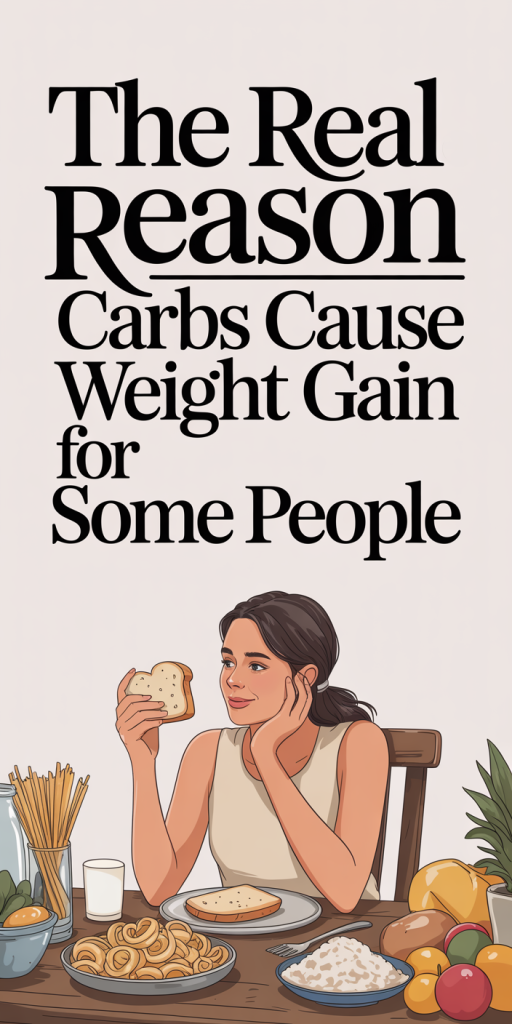
Carbohydrates have been cast as both villain and savior in weight-loss conversations for decades. Yet the truth is rarely black-and-white. In 2026 we have a far clearer picture: carbs themselves don’t magically make everyone gain weight. Instead, a mix of individual biology, lifestyle factors, food quality, and behavioral responses determines whether carbs lead to fat gain for a given person. In this text we walk through the physiology, the evidence, and practical strategies so we can understand when carbs are a problem, and what to do about it.
How Carbohydrates Work In The Body: A Quick Primer
Carbohydrates are our body’s quickest source of energy. When we eat carbs, enzymes break them down into simple sugars like glucose, which then travel in the bloodstream to fuel cells, be stored as glycogen, or, if there’s excess energy, contribute to fat storage. Understanding those basic steps helps us see why carbs can behave differently from person to person.
Types Of Carbs And Why They Matter (Simple Vs. Complex)
Not all carbs are equal. “Simple” carbs (sugars in soda, candy, fruit juice) are rapidly absorbed, causing quick blood sugar rises. “Complex” carbs (whole grains, legumes, vegetables) contain fiber and slower-digesting starches, which blunt blood sugar spikes and keep us full longer. Fiber also feeds beneficial gut bacteria and lowers the effective glycemic load of a meal.
We often lump carbs together, but glycemic index, fiber content, degree of processing, and portion size all change how the same number of carb grams affects our body. That distinction is why two people can eat the same carb amount and get very different metabolic outcomes.
Digestion, Blood Sugar, And Insulin Basics
After digestion, glucose enters the bloodstream. The pancreas senses this and releases insulin, the hormone that helps shuttle glucose into muscle and fat cells. Insulin also suppresses lipolysis (fat breakdown) and promotes lipogenesis (fat storage) in certain contexts.
A transient rise in insulin after a meal is normal and necessary. Problems arise when insulin responses are excessive or prolonged (hyperinsulinemia), or when target tissues stop responding to insulin efficiently (insulin resistance). Those conditions change how incoming carbs are partitioned between immediate use and storage.
Glycogen Storage And Fuel Partitioning
Muscle and liver glycogen are limited reservoirs. When we exercise, those stores are depleted and glucose from carbs preferentially refills them rather than being stored as fat. But when glycogen stores are already full and energy intake exceeds expenditure, carbs are more likely to be converted to fat (de novo lipogenesis) or to contribute to fat storage indirectly by increasing insulin and suppressing fat release.
Fuel partitioning, whether a calorie becomes ATP, glycogen, or fat, depends on context: our recent activity, muscle mass, hormonal milieu, and the timing/composition of the meal. That explains why the same high-carb dinner might be fine after a long run, but promote weight gain after a sedentary day.
Individual Biology: Why People Respond Differently To Carbs
We often ask “do carbs make people fat?” but a better question is “which people are sensitive to carbs?” The answer lies in our biology.
Genetics And Family History Influences On Carb Metabolism
Genes influence everything from how quickly we digest starches to how many insulin receptors we have and how much we naturally store as fat. Variants in genes like TCF7L2, FTO, and those affecting GLUT transporters alter glucose handling and appetite regulation. Family history of type 2 diabetes or obesity is a strong clue that someone may be more carb-sensitive.
Genetic influence is not destiny but a predisposition. Two siblings with the same variant can diverge widely depending on lifestyle, environment, and early-life nutrition.
Insulin Sensitivity Versus Insulin Resistance Explained
Insulin sensitivity means our cells respond well to insulin: a given insulin signal clears glucose efficiently. Insulin resistance is the opposite, the pancreas must secrete more insulin to achieve the same effect. Chronically high insulin levels shift metabolism toward energy storage and can increase hunger in some people.
People with low insulin sensitivity often experience bigger blood sugar swings after carb-rich meals and stronger post-meal hunger. That’s a metabolic environment where carbs are more likely to be associated with weight gain.
Gut Microbiome, Digestive Health, And Carb Processing
The gut microbiome shapes how we process carbohydrates. Certain microbial communities are better at extracting calories from fiber and resistant starch, producing short-chain fatty acids that influence appetite and fat storage. Dysbiosis, an imbalanced microbiome, has been linked to obesity and altered glycemic responses.
Also, conditions like small intestinal bacterial overgrowth (SIBO), intolerances, or slow transit can change how carbs are fermented and metabolized, sometimes increasing bloating, cravings, and calorie absorption. Personal microbiome differences are one reason two people can eat identical diets and see different outcomes.
Lifestyle Factors That Amplify Carb-Driven Weight Gain
Biology sets the stage, but lifestyle often directs the play. We can have genes that predispose us to carb sensitivity and still do fine if lifestyle supports good metabolic health.
Sleep, Stress, And Hormones: The Hidden Drivers
Chronic sleep loss and stress are powerful modifiers of carb handling. Sleep deprivation raises evening insulin and appetite, favors carbohydrate cravings, and lowers the incentive to exercise. Stress elevates cortisol, which promotes visceral fat storage and increases hunger for energy-dense carbs. Over time, these hormonal shifts make carbs more fat-promoting for many people.
Activity Level And Muscle Mass: How They Change Carb Fate
Physical activity and lean mass are perhaps the most modifiable determinants of how the body handles carbs. Muscle is the largest sink for glucose. The more active we are, especially with resistance training, the more efficiently we use carbs for glycogen and repair rather than storing them as fat.
Sedentary individuals with low muscle mass are more likely to convert excess carbs into adipose tissue because they lack the tissue demand for glucose.
Diet Context: Calories, Protein, Fat, And Carb Timing
Carbs don’t exist in isolation. A high-carb meal that’s also high in protein and fiber will have a very different metabolic effect than a high-carb meal consisting of refined sugars. Total calories still matter: sustained caloric surplus causes weight gain regardless of macronutrient source. But carbs can accelerate that process via appetite effects and rapid energy availability.
Timing is relevant too. Eating large carb loads late at night when we’re inactive tends to favor storage. Conversely, concentrating carbs around workouts often improves performance and replenishes glycogen with less likelihood of fat gain.
Common Mechanisms Linking Carbs To Weight Gain
When carbs are associated with weight gain, several interlocking mechanisms are usually at play.
Hyperinsulinemia, Appetite, And Fat Storage Pathways
Excessive or prolonged insulin signaling reduces fat breakdown and promotes fat storage. Hyperinsulinemia is both a cause and consequence of overconsuming rapidly absorbed carbs in susceptible people. In practical terms: if our meals repeatedly trigger large insulin spikes, we may spend more of the day storing energy and less of it burning fat, which facilitates gradual weight gain.
Insulin also affects the brain’s appetite circuits. Rapid blood sugar drops after high-glycemic meals can produce rebound hunger, making us eat more calories across the day.
Reward, Cravings, And Overconsumption Of Refined Carbs
Refined carbohydrates often hit reward pathways strongly and quickly. That combination of taste, rapid absorption, and habitual cues leads to frequent overeating. Unlike whole foods that induce satiation, refined carbs are engineered to be easy to overconsume. Habitual overconsumption drives energy surplus and weight gain.
Energy Balance Misconceptions: When Carbs Appear To Cause Gain
We sometimes misattribute weight gain to carbs themselves rather than to the energy surplus they helped create. For example, someone switching from whole food meals to more pastries may eat more calories without noticing. Also, water retention and glycogen fluctuations can temporarily change weight, creating misleading impressions that carbs cause fat gain overnight.
Understanding these mechanisms helps us tease apart direct metabolic effects from behavioral and observational artifacts.
Evidence From Studies: Who Gains Weight From Carbs And Why
The literature up to 2026 paints a nuanced picture: carbs are neither universally fattening nor universally benign. Results depend on study design, population, and context.
Controlled Trials Comparing Low‑Carb And Other Diets
Randomized controlled trials (RCTs) show that when calories and protein are matched, low‑carb diets often produce faster short-term weight loss due largely to fluid and glycogen loss and slightly greater ad libitum satiety in some people. Over 12 months and beyond, differences shrink when adherence is similar.
But, certain groups, people with insulin resistance, metabolic syndrome, or type 2 diabetes, tend to get clearer metabolic benefits from lower-carbohydrate approaches: better glycemic control, lower insulin levels, and sometimes greater fat loss. That suggests biological subgroups exist who are more ‘‘carb-sensitive.”
Observational Data And Real‑World Patterns
Epidemiological studies find mixed associations between total carbohydrate intake and weight. Patterns matter: populations eating high-quality, fiber-rich carbs (e.g., whole grains, legumes) tend to be leaner and have lower disease risk than those consuming high amounts of refined carbs and sugary drinks. Real-world data also show that rapid increases in processed carb consumption often precede population-level weight gain.
Biomarkers That Predict Carb Sensitivity (What To Test)
Several practical biomarkers help predict who will do better on lower-carb approaches:
- Fasting insulin and HOMA-IR (insulin resistance estimate)
- Fasting glucose and HbA1c
- Oral glucose tolerance test (OGTT) responses
- Triglyceride-to-HDL ratio (a proxy for metabolic health)
- Waist circumference and visceral adiposity by imaging (if available)
These tests aren’t perfect, but they guide personalized choices. Someone with high fasting insulin and elevated post-meal glucose is more likely to benefit from reducing refined carbs and prioritizing protein and fiber.
Practical Strategies For Carb Tolerance Improvement
For many of us, the goal isn’t zero carbs but improving how our bodies handle them. Here are practical, evidence-informed steps we can take.
Dietary Adjustments: Choosing The Right Types And Portions
- Prioritize whole, minimally processed carbs: legumes, whole grains, starchy vegetables, and fruit. These slow digestion and add fiber.
- Replace sugary drinks and refined snacks with water, tea, nuts, or yogurt. Liquid and ultra-processed carbs are the biggest culprits for unintentional overconsumption.
- Manage portion size. Even whole grains can add up. Use plate methods (half nonstarchy vegetables, quarter protein, quarter whole grain) to control portions without counting obsessively.
Small, sustainable swaps often beat radical restrictions. We want changes we can keep doing in real life.
Timing, Pairing With Protein/Fat, And Meal Structure Tips
- Pair carbs with protein and healthy fats to slow glucose absorption and blunt insulin spikes. Example: an apple with nut butter or oatmeal topped with Greek yogurt.
- Time larger carbohydrate portions around activity (pre/post-workout) when muscles will use glucose for glycogen replenishment.
- Avoid large, carb-heavy meals right before prolonged sedentary periods (like bedtime).
These strategies reduce glycemic variability and reduce the hunger cycles that lead to overconsumption.
Lifestyle Interventions: Sleep, Stress Reduction, And Exercise
- Prioritize sleep: 7–9 hours per night helps normalize insulin and appetite hormones.
- Manage stress through daily practices (brief mindfulness, walks, or breathing exercises). Lowering chronic cortisol reduces visceral fat pressure points and carb cravings.
- Strength train regularly to increase muscle mass and glucose sink capacity: include aerobic work to improve insulin sensitivity.
Lifestyle changes often amplify the benefit of dietary adjustments, and they make carbs less likely to drive weight gain.
When To Consider Medical Evaluation Or Personalized Nutrition
If we notice stubborn weight gain even though sensible diet and exercise, or if fasting glucose/insulin or HbA1c are abnormal, it’s reasonable to seek medical evaluation. Endocrine disorders, medications, or unrecognized metabolic disease can change carb handling. Working with a dietitian trained in metabolic health or a clinician who can order appropriate biomarkers helps tailor interventions safely and sustainably.
How To Design A Sustainable Carb Approach For Your Body
Designing our carb strategy means matching our biology, goals, and lifestyle. We should avoid rigid dogma and aim for an approach that’s both effective and maintainable.
Sample Frameworks: Moderate, Low, And Carb‑Timing Plans
- Moderate Carb (30–45% of calories): Aiming for whole-food carbs with controlled portions. Good for active people and those without insulin resistance. Emphasize fiber and pair carbs with protein and fat.
- Lower Carb (10–30% of calories): Prioritize nonstarchy vegetables, limited whole grains and fruit, and higher protein/fat. Suitable for people with insulin resistance, prediabetes, or those who respond poorly to carbs.
- Carb‑Timing (targeted carbs around activity): Keep daily carbs moderate but concentrate the bulk pre/post-workout when they’ll be used for glycogen replenishment. This is helpful for athletes or people who prefer higher carbs but want to minimize fat gain.
We can experiment within these frameworks for a few weeks, then adjust based on how we feel, performance, and objective measures.
Monitoring Progress: Metrics Beyond The Scale
Scale weight is useful but noisy. We should track:
- Waist circumference and how clothes fit
- Energy, sleep quality, and hunger patterns
- Strength and performance in workouts
- Blood markers (fasting glucose, insulin, triglycerides, HbA1c) if relevant
Progress in these areas often precedes meaningful changes in body composition and is more informative than daily scale fluctuations.
Common Pitfalls And How To Avoid Swinging To Extremes
- Avoid equating “low-carb” with “unhealthy processed meat and cheese”. A low-carb approach can be nutritious or not, quality matters.
- Don’t swing from extreme restriction to binge. Severe deprivation often breeds rebound overeating. Aim for consistency and reasonable flexibility.
- Beware quick fixes: eliminating all carbs can produce fast water weight loss but isn’t always sustainable. Our goal is a long-term, personalized approach that supports metabolic health and life enjoyment.
Conclusion
In 2026, the question “Do carbs cause weight gain?” finally gets a nuanced answer: sometimes, but only in specific contexts. Carbs interact with our genetics, insulin sensitivity, gut microbiome, activity level, sleep, stress, and the kinds of carbs we choose. For people with insulin resistance or those who habitually overconsume refined carbs, cutting back or shifting carb quality and timing often yields clear benefits. For others, carbs remain a healthy fuel source when chosen and timed wisely.
Our practical takeaway is simple: we should personalize. Test key biomarkers if needed, prioritize whole-food carbs, pair them with protein and fat, support restorative sleep and regular exercise, and monitor meaningful metrics beyond the scale. By doing so, we make carbs work for us rather than against us, and avoid the one-size-fits-all traps that have dominated diet advice for too long.
Want More From Nick?
Join The Health-First Fat Loss Club
✓ All 16+ Programs
✓ Private Community
✓ Weekly New Content
✓ Cancel Anytime
Nick Garcia
Health & Nutrition Expert · 15+ Years Experience