Weight regulation feels personal, and confusing. When weight creeps up or refuses to budge, the thyroid often gets blamed: “It’s my slow thyroid,” we hear. But weight is the result of many interacting systems, and the thyroid is just one player. In this guide we’ll pull apart the science behind thyroid function and metabolism, show what the thyroid can, and can’t, do to body weight, and give clear, evidence-based steps for testing, treatment, and lifestyle strategies. Our goal is practical: help you figure out whether the thyroid is driving your weight changes and what to do next, without myths, scare tactics, or oversimplified fixes.
How Weight Regulation Works: The Big Picture
Weight regulation is a dynamic balance between energy in and energy out, but that simple equation hides complexity. Energy in is calories from food and drink: energy out includes basal metabolic rate (BMR), the energy we use just to stay alive, plus thermogenesis (heat produced after eating), non-exercise activity thermogenesis (NEAT, fidgeting, walking between meetings) and planned exercise. Hormones, genetics, the nervous system, and behavior all shape these components.
Importantly, the body defends weight. When we lose weight, metabolic adaptations kick in: appetite often increases, BMR can drop, and NEAT tends to decline. These are biological survival mechanisms that make sustained weight loss difficult for many people. Conversely, weight gain is influenced by factors that increase appetite or reduce energy expenditure.
From a clinical perspective, small chronic imbalances and environmental exposures (sleep loss, certain medications, highly palatable diets, sedentary work) accumulate and shift the set point over time. So when we evaluate weight changes, we need to consider both the measurable physiology (hormones, metabolism, labs) and the lived context (diet quality, activity, stress, sleep, medications). That’s why diagnosing a single cause, like “slow thyroid”, without broader assessment often misses the bigger picture.
What The Thyroid Does And How It Influences Metabolism
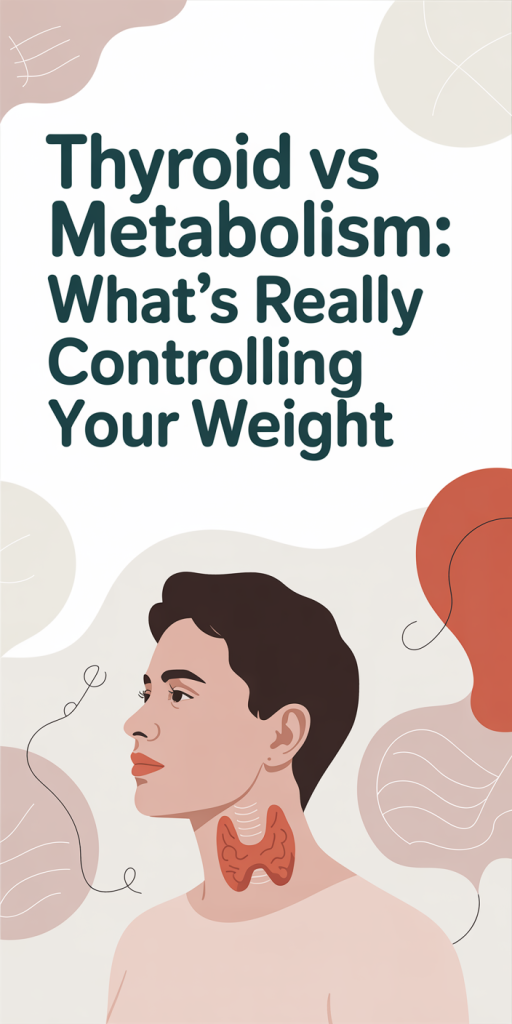
The thyroid gland produces hormones that are central to metabolic rate and many other processes. Thyroxine (T4) and triiodothyronine (T3) increase oxygen consumption and heat production in tissues, affect heart rate, and influence how our bodies process carbohydrates, fats, and proteins.
How Thyroid Hormones Affect Energy Use And Body Composition
T3 is the biologically active hormone at the cellular level: most T3 is produced by converting T4 in peripheral tissues. Higher thyroid hormone levels generally raise basal metabolic rate, increase resting energy expenditure, and can promote lipolysis (fat breakdown). Clinically, people with hyperthyroidism often lose weight even though increased appetite: those with significant hypothyroidism can gain weight, though much of this gain may be from fluid retention and slowed gastrointestinal transit rather than true increases in fat mass.
The thyroid impacts body composition too: adequate thyroid function supports lean mass maintenance and metabolic flexibility. Severe or prolonged hypothyroidism can reduce muscle strength and aerobic capacity, indirectly lowering activity energy expenditure.
Common Thyroid Disorders That Can Impact Weight (Hypothyroidism, Hyperthyroidism, Hashimoto’s)
- Hypothyroidism: When the thyroid underproduces hormones, common symptoms include fatigue, cold intolerance, constipation, dry skin, and modest weight gain. Most weight gain in hypothyroidism tends to be modest (often 5–10 pounds) and partly reversible with treatment.
- Hyperthyroidism: Excess thyroid hormone increases metabolic rate: symptoms include tremor, heat intolerance, anxiety, and weight loss. In some cases weight loss can be dramatic and accompanied by muscle wasting.
- Hashimoto’s thyroiditis: This autoimmune condition is the most common cause of hypothyroidism in many populations. It can cause gradual thyroid failure and fluctuating thyroid levels early on. Autoimmune activity itself may produce symptoms (fatigue, joint aches) that indirectly affect activity and appetite.
While the thyroid clearly influences metabolism, most people with common weight concerns do not have overt thyroid disease sufficient to explain major weight changes. That’s why careful testing and interpretation matter.
Non-Thyroid Drivers Of Metabolism And Weight
If the thyroid is only one piece, what else shapes metabolism and body weight? In clinical practice we routinely consider multiple contributors.
Basal Metabolic Rate, Thermogenesis, And Activity Energy Expenditure
Basal metabolic rate (BMR) accounts for the largest share of daily energy expenditure in most people. BMR is strongly influenced by lean body mass: more muscle equals higher BMR. Thermic effect of food is smaller but varies with macronutrient composition (protein has a higher thermic effect than fat or carbs). Activity energy expenditure includes exercise and NEAT: for many people, NEAT is the most variable and modifiable element.
Hormones Beyond Thyroid: Insulin, Cortisol, Sex Hormones, And Leptin/Ghrelin
- Insulin controls nutrient partitioning and fat storage: insulin resistance tends to promote fat accumulation and makes weight loss harder.
- Cortisol (stress hormone) affects appetite, fat distribution (visceral fat), and energy balance when chronically elevated.
- Sex hormones (estrogen, testosterone) influence fat distribution and lean mass: menopause-related estrogen decline can shift fat to the abdomen.
- Leptin and ghrelin regulate satiety and hunger. Leptin resistance, common in obesity, impairs satiety signaling and can make weight regulation more difficult.
These hormonal systems interact: for example, sleep loss raises ghrelin and lowers leptin, increasing hunger: poor sleep also worsens insulin sensitivity.
Genetics, Age, Body Composition, Medications, And The Gut Microbiome
- Genetics set metabolic tendencies like appetite regulation, energy expenditure efficiency, and fat distribution. Polygenic influences are common.
- Age reduces resting metabolic rate and often muscle mass, which lowers daily caloric needs.
- Certain medications (antidepressants, antipsychotics, insulin, steroids, some antiepileptics) promote weight gain as side effects.
- The gut microbiome can influence energy extraction from food and interacts with host metabolism: while promising, microbiome-based treatments are still emerging.
Altogether, these non-thyroid factors often play a larger role than the thyroid in day-to-day weight regulation for most people.
How To Tell If Your Weight Issues Are Thyroid-Related
Separating thyroid-driven weight changes from other causes requires a careful synthesis of symptoms, labs, and context.
Which Tests Matter: TSH, Free T4, Free T3, Reverse T3, Antibodies, And When To Order Them
- TSH (thyroid-stimulating hormone): The most sensitive screening test for primary thyroid dysfunction. High TSH suggests primary hypothyroidism: low TSH suggests hyperthyroidism or secondary causes.
- Free T4: Measures available thyroxine: used with TSH to clarify thyroid state.
- Free T3: Useful when symptoms suggest thyroid hormone excess/deficiency even though normal TSH/T4, or when peripheral conversion might be impaired.
- Reverse T3 (rT3): Often proposed in “thyroid resistance” or chronic illness scenarios, but its clinical utility is limited and it’s frequently overinterpreted. We order rT3 selectively, not routinely.
- Thyroid antibodies (anti-TPO, anti-thyroglobulin): Helpful to diagnose autoimmune thyroid disease (Hashimoto’s) or to explain lab fluctuations.
We typically start with TSH and reflex to free T4. If the clinical picture or risk factors suggest complex dysfunction, we expand testing.
Interpreting Results In Context: Symptoms, Labs, And Common Pitfalls
A few guiding points:
- Mild TSH elevations (subclinical hypothyroidism) do not always produce meaningful weight gain. Treatment decisions depend on symptoms, TSH level, age, pregnancy plans, and antibody status.
- Normal labs with weight gain: Common. Many people with overweight or obesity have normal thyroid tests. In that case, chasing “subclinical” or nonstandard markers rarely helps.
- Lab reference ranges are population-based: “optimal” ranges for symptoms are controversial. We focus on trends, symptoms, and objective measures, not just one lab value.
- Non-thyroid illness, medications, and timing (fasting state, illness) can temporarily alter thyroid tests. Always interpret labs alongside clinical context.
When To Suspect A Different Cause (Lifestyle, Medication Side Effects, Sleep, Mental Health)
If testing shows normal thyroid function, consider other drivers: rapid dietary changes, decreased activity, new medications, poor sleep, depression, or stress. Medication history is crucial, antidepressants, mood stabilizers, beta blockers, and certain diabetes drugs commonly change weight. Sleep apnea and shift work also impair metabolism and appetite regulation. We recommend a broad review before assuming thyroid dysfunction is to blame.
Evidence-Based Approaches To Treating Thyroid-Related Weight Changes
When thyroid disease is confirmed and plausibly linked to weight changes, evidence-based medical treatment paired with lifestyle support often produces the best outcomes.
Medical Treatments: Levothyroxine, Combination Therapy, And Monitoring
- Levothyroxine (synthetic T4) is the standard treatment for hypothyroidism. For most patients it normalizes TSH, reduces symptoms, and may cause modest weight loss, mostly from decreased fluid retention and improved gut motility. Weight changes caused solely by hypothyroidism are often not large, so expectations should be realistic.
- Combination therapy (T4 + T3) can be considered for a minority of patients who remain symptomatic on levothyroxine even though normalized TSH. Evidence is mixed: some randomized trials show small benefits for symptoms in select patients, but routine combination therapy isn’t universally recommended.
- Monitoring: We titrate levothyroxine based on symptoms and TSH, checking levels 6–8 weeks after dose changes, then periodically once stable. Overtreatment (suppressed TSH) carries risks including bone loss and atrial fibrillation.
Adjunct Therapies: Addressing Autoimmunity, Medication Interactions, And Comorbid Conditions
- If Hashimoto’s is present, managing autoimmunity focuses on standard thyroid hormone replacement: while some patients explore anti-inflammatory diets or vitamin D optimization, high-certainty evidence for dietary cures is lacking. We treat deficiencies (vitamin D, selenium) when present, but we avoid overpromising.
- Review medications for interactions: iron, calcium, and certain supplements impair levothyroxine absorption if taken simultaneously. We advise spacing those by several hours.
- Treat comorbid conditions that affect weight: address insulin resistance, screen for sleep apnea, optimize mental health treatment, and consider medication changes when safe. These steps often have a bigger impact on weight than tweaking thyroid therapy alone.
In short: treat confirmed thyroid disease appropriately, but pair medical therapy with a broader metabolic plan for meaningful weight outcomes.
Practical Lifestyle Strategies To Support Metabolism And Weight Management
Whether or not the thyroid is involved, lifestyle choices are powerful levers for metabolic health. Here’s a concise, science-backed toolbox.
Nutrition: Protein, Timing, Calorie Quality, And Managing Insulin Sensitivity
- Emphasize protein: Aiming for ~1.2–1.6 g/kg body weight (adjusted to age, activity, and medical needs) supports lean mass and increases satiety and thermic effect of food.
- Focus on calorie quality: Whole foods, fiber, and minimally processed carbohydrates stabilize blood sugar and insulin, which aids appetite control.
- Mindful timing: Regular meal patterns help some people manage hunger: time-restricted eating can benefit insulin sensitivity for some, but it’s not a universal requirement.
- Address insulin resistance: Reduce refined carbs, prioritize resistance training (below), and work with clinicians to treat metabolic syndrome when present.
Exercise: Strength Training, NEAT, And Cardio For Long-Term Metabolic Health
- Strength training: Preserving and building lean mass is one of the strongest defenses against a falling BMR. Aim for 2–3 sessions per week that progressively overload major muscle groups.
- NEAT: Small daily actions, standing, taking stairs, pacing during calls, add up. If structured exercise is limited, increasing NEAT can meaningfully raise daily energy expenditure.
- Cardio: Aerobic exercise supports cardiovascular health and can help with calorie balance. Mix modalities and intensities to avoid burnout and preserve muscle.
Sleep, Stress Management, And Medication Review To Optimize Hormones
- Sleep: Aim for consistent, sufficient sleep. Chronic sleep loss raises hunger hormones and worsens insulin sensitivity.
- Stress: Chronic stress elevates cortisol: practical interventions (brief daily practices, cognitive strategies, targeted therapy) can improve metabolic markers indirectly.
- Medication review: Work with your clinician to identify drugs that may be contributing to weight gain and evaluate alternatives when appropriate.
These lifestyle strategies both complement thyroid treatment when needed and independently support metabolic health for most people.
Common Myths, Misconceptions, And What The Research Really Says
There’s plenty of misinformation around the thyroid and weight. We’ll tackle the most persistent myths.
“Slow Thyroid” As A Catch-All Excuse Versus Measurable Dysfunction
Claim: “My slow thyroid is why I can’t lose weight.”
Reality: True hypothyroidism can contribute to weight gain, but for most people with common overweight or obesity, standard thyroid tests are normal. Weight that’s solely due to hypothyroidism tends to be modest and improves with appropriate treatment. Using “slow thyroid” as a blanket explanation without testing or broader evaluation can delay addressing modifiable lifestyle or medication-related causes.
Supplements, Detoxes, And Unproven Treatments To Avoid
- Many supplements claim to “boost” thyroid function or metabolism. Few have robust evidence: some can be harmful or interact with medications. Iodine supplementation in those without deficiency can be dangerous, especially in autoimmune thyroid disease.
- Detoxes and extreme cleanses promise quick metabolic resets but lack credible evidence and often produce temporary water-weight changes rather than sustainable fat loss.
- Be skeptical of treatments that require repeated expensive testing (like routine reverse T3 or saliva hormones) or that push hormone replacement without clear lab abnormalities.
We recommend evidence-based medicine: lab-confirmed diagnoses, judicious use of supplements when proven deficient, and lifestyle strategies that improve long-term metabolic health.
Signs To See A Specialist And Questions To Ask Your Clinician
When should we refer to an endocrinologist or ask for deeper evaluation? And what should we ask during that visit?
What To Expect From An Endocrinology Evaluation And Practical Next Steps
See a specialist if:
- You have markedly abnormal thyroid tests (very high or very low TSH) or symptoms disproportionate to lab results.
- You’re pregnant or planning pregnancy and have thyroid dysfunction.
- You have persistent symptoms even though normalized TSH on replacement therapy.
- You have complex comorbidities (cardiac disease, unexplained weight loss, or suspected pituitary disease).
An endocrinologist will review history, repeat/expand testing if needed (free T4, free T3, antibodies, imaging when indicated), and tailor therapy. Expect practical next steps: medication adjustments, screening for comorbid conditions, and a plan for follow-up testing and symptom tracking.
How To Advocate For Better Testing Or A Second Opinion
Bring a concise timeline of symptoms, medications, and prior lab results. Ask directly:
- Which tests do you recommend and why? (TSH, free T4, free T3, antibodies?)
- Could my medications or other conditions explain these results?
- If my TSH is normal but I feel unwell, what next steps do you recommend?
- What are the risks and benefits if we try combination therapy?
If your clinician dismisses significant symptoms or refuses reasonable testing, it’s appropriate to seek a second opinion. We’re allowed to ask for clarity and reasonable diagnostic thoroughness, especially when daily function is affected.
Conclusion
The thyroid matters, but it’s rarely the only thing controlling our weight. For most people with weight concerns, thyroid disease is either absent or explains only a modest portion of weight change. That doesn’t minimize the importance of diagnosing and treating true thyroid disorders, but it does remind us to take a broad view.
Our practical approach: start with appropriate screening (TSH ± free T4), interpret labs in clinical context, and avoid overinterpreting isolated or nonstandard tests. If thyroid disease is confirmed, treat it using established protocols and realistic expectations. Simultaneously, address non-thyroid drivers: sleep, stress, medications, diet composition, strength training, and NEAT. These interventions often yield the largest, most durable benefits for metabolic health.
If you suspect thyroid disease, get tested and review results with a clinician who will consider your whole situation. If tests are normal, pivot attention to the evidence-based lifestyle and medical strategies that reliably improve metabolism and body composition. We can’t control every biological factor, but by focusing on what’s measurable and modifiable, we increase our chances of sustainable progress.
Want More From Nick?
Join The Health-First Fat Loss Club
✓ All 16+ Programs
✓ Private Community
✓ Weekly New Content
✓ Cancel Anytime
Nick Garcia
Health & Nutrition Expert · 15+ Years Experience