We’ve all woken up to a puffier version of ourselves, puffy eyes, a bloated face, or a softer jawline that makes us feel less refreshed. The good news: small, consistent bedtime habits can make a big difference quickly. In this guide we’ll explain why puffiness happens overnight, share a compact 7-minute routine you can do tonight, and walk through targeted treatments, lifestyle tweaks, sleep ergonomics, helpful ingredients and tools, plus when to see a doctor. Follow these 12 simple nightly habits and you’ll likely notice visibly less puffiness within days.
Why Puffiness Happens Overnight
Puffiness is rarely mysterious. Most often it’s fluid, inflammation, or a combination of both collecting where tissue is loose, like around the eyes and along the jawline. Understanding the main drivers helps us make smart before-bed choices that actually target the cause.
The Role Of Fluid Retention And Salt
Fluid follows salt. When we eat a salty dinner or drink alcohol late, our body holds on to extra water to balance sodium. Overnight, lying flat redistributes that retained fluid to the face and eyes. The skin around the eyes is particularly prone to showing fluid because it’s thin and the underlying tissue is loose. Even modest increases in extracellular fluid can create visible puffiness by morning.
Inflammation, Allergies, And Hormones
Inflammation amplifies puffiness. Allergic reactions (seasonal or dust mites in bedding), dermatitis from a product, or systemic inflammation from poor diet all increase blood vessel permeability, letting more fluid leak into tissues. Hormones, especially cortisol and estrogen, affect how much fluid we retain. Women may notice cyclical changes around their period. Our immune system, when activated, also brings more blood and fluid to tissues as part of the inflammatory response.
Sleep Quality, Position, And Circulation
Poor sleep raises cortisol and other stress markers that promote fluid retention and inflammation. Sleep position matters: lying flat can allow fluid to pool in the face, while sleeping slightly elevated helps drainage. Restricted breathing or sinus congestion (from a cold or allergies) can also impair lymphatic flow and encourage morning puffiness. In short: what we eat, how we sleep, and what our body is reacting to all combine overnight to determine how puffy we look in the morning.
A 7-Minute Before-Bed Routine To Reduce Morning Puffiness
Consistency beats complexity. We designed a 7-minute routine that addresses the main drivers of puffiness, fluid, inflammation, and circulation, without requiring a drawer full of gadgets.
Step-By-Step Evening Routine (Cleanse, Cool, Moisturize)
Minute 0–2: Cleanse gently. Use a mild, non-irritating cleanser to remove makeup, pollen, and pollution that can provoke inflammation during the night. Pat dry, don’t rub.
Minute 2–4: Cool and soothe. Apply a cool compress or a chilled gel eye mask for 60–90 seconds. Cooling constricts blood vessels and reduces immediate swelling. If you don’t have a mask, a chilled spoon works (wrap it in a soft cloth).
Minute 4–7: Moisturize with purpose. Use a lightweight hydrating product that contains a depuffing ingredient (more on ingredients later). Apply gently with your ring finger to avoid tugging delicate skin. Finish with a light facial massage (20–30 seconds) directed from the center outward to encourage drainage.
Why this sequence? Clean skin prevents inflammatory triggers. Cooling reduces early fluid accumulation. And the right moisturizer locks in hydration without heavy occlusion that could trap fluid.
Targeted 2-Minute Eye Sequence
Minute 7–9: Focus on eyes. We recommend a two-minute sequence:
- 20 seconds: Apply a peptide or caffeine eye gel in dots under each eye.
- 40 seconds: Use very gentle tapping (patting) motions with your ring fingers to disperse product and stimulate microcirculation.
- 60 seconds: Finish with a gentle outward sweep (temple toward ear) to encourage lymphatic flow. Keep movements light, excess pressure can aggravate already fragile tissue.
This short sequence increases product penetration and mechanically assists drainage without stressing the skin.
Optional Quick Facial Lymphatic Massage
If you have a spare minute, add a 60-second lymphatic massage. Use light pressure and follow this path: center of forehead → temples → behind the ears → under the jawline → down the neck. Use upward-and-outward motions. The goal is directional encouragement for lymph to flow toward the major drainage points, not deep kneading. Even a small amount of consistent mechanical assistance overnight can cut down on morning puffiness.
Targeted Treatments For Different Areas
Different areas of the face respond best to different tactics. We’ll break down practical, targeted approaches so you can prioritize what bothers you most.
Under-Eye Puffiness: Cold Compresses, Gua Sha, And Drainage
Under-eye bags are often fluid-filled. Cold compressing for 60–90 seconds constricts vessels and gives immediate improvement. Gua sha or a small spoon can be used afterwards to stroke gently from the inner under-eye area toward the temple: use a hydrating serum or oil to reduce friction. We prefer tools with a smooth edge and recommend one or two gentle passes, overwork can irritate the delicate skin. Don’t use ice directly on the skin.
Products that combine caffeine and peptides can sharpen the effect: caffeine tightens and reduces vascular leakage, while peptides support skin structure over time.
Full-Face Puffiness: Lightweight Night Products And Massaging Techniques
When the whole face feels puffy, choose lightweight, fast-absorbing night products rather than heavy creams that sit on top of the skin. Ingredients like niacinamide reduce inflammation and improve barrier function, while hyaluronic acid provides hydration without oiliness. Massage with upward-and-outward strokes to promote lymphatic movement: focus 30–60 seconds on each cheek and along the brow and jawline. Consider a short cold-roller pass at the end for immediate tightening.
Neck And Jawline: Sleep Positioning And Lymphatic Focus
Fluid can pool along the jaw and collect in neck tissue. Elevating the head slightly while sleeping helps gravity do the work. Before bed, perform gentle strokes from the jawline down toward the clavicle to move fluid toward the large lymph nodes. If jawline puffiness feels like fat rather than fluid, nocturnal habits won’t make as dramatic a change, consistent massage and posture improvement still help with definition over weeks.
Lifestyle And Dietary Changes That Prevent Puffiness
Routine topical care helps, but preventing fluid buildup often starts at the plate and with daily habits. Here’s what to adjust.
Evening Eating, Alcohol, And Hydration Strategies
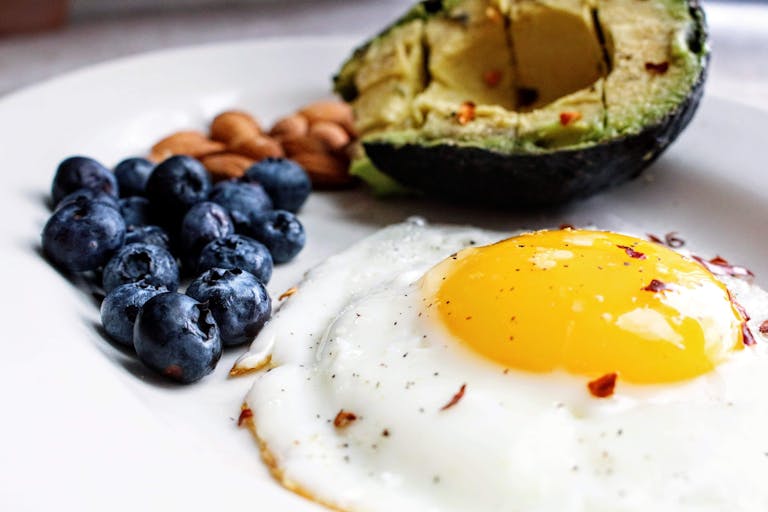
Avoid heavy meals and alcohol within 2–3 hours of bedtime. Alcohol disrupts sleep architecture, increases inflammation, and causes transient dehydration followed by rebound fluid retention. Instead, if we need a late snack, choose something light and high in water content, like cucumber or a small bowl of berries, and pair it with a protein to stabilize blood sugar.
Hydration is nuanced: chronic underhydration can make the body hold on to fluid. We recommend steady hydration throughout the day and a small glass of water with dinner. Avoid chugging large volumes right before bed.
Salt, Processed Foods, And Timing Of Meals
Saltier foods earlier in the day give the body time to excrete excess sodium before sleep. Processed foods pack in hidden sodium and inflammatory additives: reducing them often reduces morning puffiness within a few days. If we know we’ll be eating something salty at dinner (say, a restaurant meal), we can counteract by increasing water intake earlier in the day and choosing potassium-rich foods like bananas or leafy greens to help balance sodium.
Supplements And Anti-Inflammatory Foods To Consider
Some supplements and foods can support reduced swelling: omega-3s (anti-inflammatory), magnesium (helps with fluid balance and sleep quality), and vitamin C (supports vascular health). Turmeric or foods rich in polyphenols (berries, cherries) may reduce systemic inflammation. We recommend discussing supplements with a clinician, especially if you’re on medication, but adding anti-inflammatory whole foods is a safe first step.
Sleep Habits And Ergonomics For Less Puffiness
We can outsmart gravity and inflammation with a few smart sleep changes.
Best Sleep Positions And Pillow Tips
Elevate the head slightly (about a 30-degree incline) to promote drainage from the face toward the torso. A wedge pillow or an adjustable bed helps. Side sleeping with the head slightly elevated is often a good compromise if back-sleeping causes snoring or sleep apnea.
Avoid piling on high, stiff pillows directly under the neck: they can restrict lymphatic flow. A single, supportive pillow that keeps the neck aligned while modestly elevating the head is ideal.
Improving Sleep Quality To Reduce Inflammation
Quality sleep reduces cortisol and systemic inflammation, both drivers of puffiness. Prioritize a wind-down routine: dim lights, limit screens for 60 minutes before bed, and use calming rituals like a warm shower or light stretching. If we consistently have poor sleep even though good sleep hygiene, it’s worth discussing with a provider, uncontrolled sleep disorders can perpetuate chronic inflammation and puffiness.
Nighttime Skincare Ingredients That Help Drain And Depuff
Choosing the right actives makes our 7-minute routine more powerful. These ingredients help constrict vessels, support barrier function, and reduce inflammation.
Key Ingredients: Caffeine, Niacinamide, Peptides, And Cooling Actives
- Caffeine: A vasoconstrictor that reduces under-eye swelling and temporarily tightens skin. Ideal in lightweight gels.
- Niacinamide: Lowers inflammation, improves barrier repair, and can slightly reduce water loss, helpful for overall facial puffiness.
- Peptides: Signal repair and can help firm tissues over time, reducing the appearance of chronic puffiness.
- Cooling actives (aloe, menthol-free cooling complexes): Provide immediate soothing and constriction without irritation.
A gentle humectant like low-molecular-weight hyaluronic acid hydrates without heaviness. Avoid heavy occlusives right before bed if morning puffiness is your main complaint.
How To Layer Products For Overnight Effectiveness
Layering should be simple: cleanser → water-based serum (caffeine or niacinamide) → lightweight moisturizer or gel-cream → targeted eye product. Apply thinnest-to-thickest and allow each layer to absorb briefly. If you use a sleeping mask, choose one that’s lightweight and apply only if it won’t lock in excess fluid: heavier sleeping masks are better reserved for drier skin types or non-puffy mornings.
Tools, Gadgets, And Home Remedies That Actually Help
Tools can speed results, but technique matters more than the gadget. We’ll separate the immediately useful from the gimmicky.
Cold Tools: Rollers, Spoons, And Cryo Globes
Cold tools give rapid constriction. Stainless steel spoons chilled in the fridge, cold rollers, or cryo globes are all effective for 60–90 seconds under the eyes and across the cheeks. They’re cheap, low-risk, and provide an instant visual improvement.
Mechanical Aids: Gua Sha, Facial Rollers, And Sculpting Tools
Gua sha and facial rollers can help lymphatic drainage when used correctly, light pressure, repeated outward strokes toward lymph nodes, and always with lubrication to avoid dragging skin. Electric devices that vibrate or microcurrent tools can enhance circulation, but they should be used according to manufacturer guidance and discontinued if they irritate skin.
DIY Home Remedies To Try Tonight (Safe And Backed By Logic)
- Chilled cucumber slices or tea bags (green or black, cooled): Provide cooling and mild vasoconstriction: tea contains tannins which help tighten skin briefly.
- Cold metal spoon: Cheap, effective for quick eye depuffing.
- Elevation + gentle massage: A non-equipment approach that uses gravity and manual drainage.
Avoid home remedies that expose skin to extreme cold (ice directly on skin) or to irritants (lemon juice, undiluted essential oils) which can worsen inflammation. Simple, safe methods are usually best.
When Puffiness Is A Sign To See A Doctor
Most morning puffiness is benign and responsive to the tactics we’ve covered. But some patterns are red flags.
Red Flags: Sudden, Painful, Or One-Sided Swelling
Seek prompt medical attention if swelling appears suddenly, is painful, or is only on one side of the face. These signs can indicate an infection, allergic reaction, or vascular issue that needs immediate care. Shortness of breath, hives, or throat tightness with facial swelling suggests a severe allergic reaction (anaphylaxis), call emergency services.
Chronic Conditions That Cause Morning Puffiness (Allergy, Thyroid, Kidney)
Persistent puffiness even though lifestyle changes could signal chronic issues: allergies, hypothyroidism, or kidney dysfunction can cause generalized fluid retention and facial swelling. If we’ve tried dietary changes, improved sleep, and topical tactics for several weeks with no improvement, it’s time to consult our primary care provider for targeted testing.
How To Track Progress And Know What’s Working
We’d rather measure results than guess. Tracking helps identify what’s truly effective and what’s placebo.
Simple Before-And-After Photos And A 2-Week Trial Plan
Take standardized photos each morning under the same light and angle. Try one change at a time (for example: start the 7-minute routine and keep diet constant) and commit for two weeks, most tactics show visible change within 7–14 days. If you combine too many changes at once, it’s hard to know which one is doing the work.
A simple plan:
- Week 1: Start the nightly 7-minute routine and add head elevation.
- Week 2: Add dietary adjustments (reduce evening salt/alcohol) while continuing the routine.
Compare photos at the start, day 7, and day 14. Also note how rested you feel and any changes in skin texture. Small wins compound, if we see steady improvement, we keep the successful habits.
When To Adjust Routine Or Seek Professional Help
If there’s no noticeable improvement after two weeks of consistent effort, we tweak one variable (sleep elevation, product ingredient, or diet) and try another two-week trial. If no progress is made, or if swelling worsens, we consult a clinician to rule out medical causes or discuss in-office treatments like manual lymphatic drainage from a trained therapist or medical interventions.
Conclusion
Puffiness isn’t an immutable fate, we can reduce it quickly with targeted nightly habits that focus on fluid balance, inflammation reduction, and improved circulation. Our practical 7-minute routine, combined with better sleep ergonomics, a few smart dietary moves, and the right skincare ingredients, will often produce visible improvement in days. Track progress with photos, make incremental adjustments, and consult a professional if swelling is sudden, painful, or persistent. Start tonight: cleanse gently, cool briefly, apply a light depuffing formula, and finish with a quick drainage massage. Small rituals add up, and soon we’ll be waking up looking like the well-rested people we feel like inside.