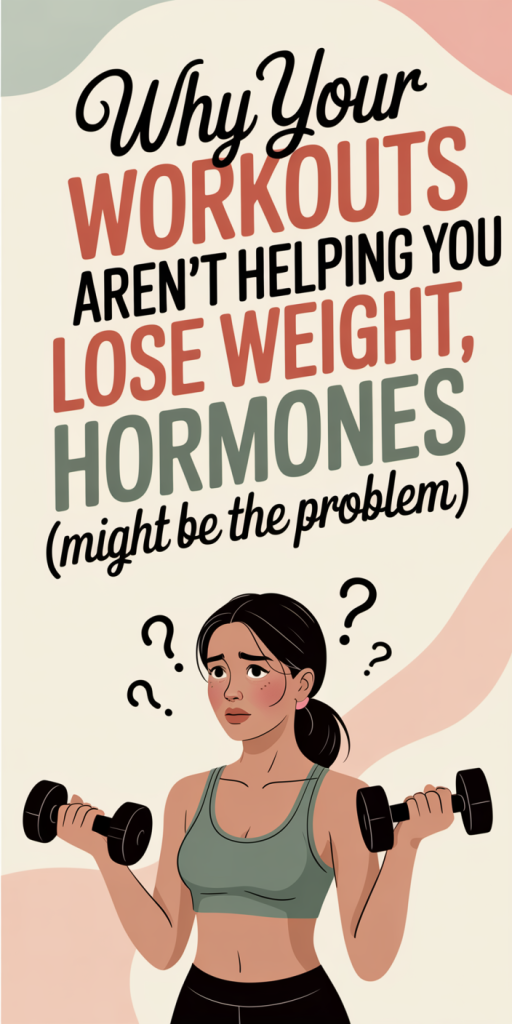
We’re often told that moving more and eating less is the simple formula for weight loss. Trouble is: many of us do the moving and the dieting and still stall. If you’ve logged miles, smashed HIIT classes, lifted weights, and tracked calories without the results you expected, hormones may be the missing variable. In this text we’ll unpack how exercise influences weight, where it falls short, the hormones that commonly interfere, how to test for problems, and practical training, nutrition, and lifestyle strategies to work with your hormones, not against them. Our aim: give you a clear, science-backed roadmap so your workouts finally translate into sustainable fat loss and better health.
How Exercise Actually Affects Weight—And Where It Falls Short
Common Misconceptions About Exercise And Fat Loss
We’ve picked up a lot of myths about exercise. Many people believe that a single workout burns hundreds of calories that quickly melt fat, or that more cardio always equals faster weight loss. The problem with these assumptions is twofold: first, acute calorie burn during a session is often modest relative to daily intake: second, our bodies adapt to repeated stimulus, so the same workout yields less and less metabolic disruption over time.
A related misconception: exercise alone is a reliable way to control appetite. For some people exercise suppresses hunger transiently: for others it increases appetite and leads to unplanned eating. Relying solely on workouts without adjusting diet, sleep, stress, and recovery is a recipe for frustration.
The Difference Between Weight Loss, Fat Loss, And Body Recomposition
We need to be precise about what we mean by “losing weight.” Scale weight mixes fat, muscle, glycogen, water, and even gut contents. Fat loss is the target for most people concerned with health and aesthetics. Body recomposition, losing fat while preserving or gaining lean mass, is often the best outcome, especially if metabolic health is a priority.
Exercise plays distinct roles: resistance training helps preserve or increase lean mass: cardio improves cardiovascular fitness and can create caloric deficits: but neither guarantees fat loss without the right nutritional and hormonal context. Preserving muscle is vital because lean mass drives resting metabolic rate and long-term weight regulation.
Why Calories Burned During Workouts Often Don’t Translate To Long‑Term Fat Loss
Two main reasons: compensation and adaptation. Compensation is behavioral or physiological, people eat more after workouts, feel justified in taking rest of day off, or subconsciously reduce non-exercise activity (NEAT). Physiological compensation includes reduced resting energy expenditure when the body senses sustained energy deficit.
Adaptation means repeated training reduces relative stress: a given session that once burned lots of calories becomes less taxing. Also, exercise-induced appetite hormones (like ghrelin) and stress hormones (like cortisol) can rise and promote eating or fat storage. Bottom line: exercise is necessary for health and recomposition but insufficient as a standalone lever for guaranteed fat loss, especially when hormones are dysregulated.
How Hormones Interact With Exercise To Influence Weight
Insulin: The Fat‑Storage Signal And How Exercise Modulates It
Insulin is central to fat storage. Elevated insulin favors glucose uptake and suppresses lipolysis, the breakdown of fat. Chronic hyperinsulinemia, often stemming from high refined-carb diets, excess calories, or insulin resistance, makes it harder to access stored fat even when we exercise.
Exercise helps: both aerobic and resistance training increase insulin sensitivity, meaning cells respond better to lower insulin levels. High‑intensity interval training (HIIT) and resistance work produce significant short‑term improvements in insulin action. But if diet, sleep, and stress keep insulin persistently high, the benefits of exercise will be blunted.
Cortisol: Stress, Catabolism, And Belly Fat
Cortisol rises with acute stress and certain types of prolonged exercise. In modest amounts, it mobilizes energy: chronically elevated cortisol promotes visceral fat, muscle breakdown, and appetite, particularly for calorie‑dense foods.
Long, frequent high‑intensity sessions without adequate recovery can chronically elevate cortisol. When that happens, workouts may paradoxically hinder fat loss by increasing hunger, impairing sleep, and promoting a catabolic state that reduces lean mass.
Thyroid Hormones: Metabolic Rate, Energy, And Exercise Capacity
Thyroid hormones (T3, T4, and TSH as the regulatory signal) set the pace of metabolism. Low thyroid function reduces basal metabolic rate and energy, making workouts feel harder and burn fewer calories overall. Conversely, overactive thyroid can accelerate weight loss but brings its own health risks.
Exercise can modestly influence thyroid activity, but significant thyroid dysfunction usually requires medical evaluation and treatment. If we’re training hard and still lethargic or gaining weight, thyroid function is a prime suspect.
Sex Hormones (Estrogen, Progesterone, Testosterone) And Their Effects On Body Composition
Sex hormones shape where we store fat, how we build muscle, and how we respond to exercise. Testosterone supports lean mass and strength, so low testosterone in men (and sometimes women) makes it harder to build or preserve muscle. Estrogen and progesterone influence appetite, fluid balance, and substrate use across the menstrual cycle.
Women with hormonal disruptions, PCOS, perimenopause, or amenorrhea, often see weight changes and altered fat distribution. For men, low testosterone commonly coincides with increased fat mass and decreased exercise capacity.
Leptin And Ghrelin: Hunger, Satiety, And Exercise‑Driven Appetite Changes
Leptin, produced by fat cells, signals satiety: ghrelin, from the stomach, stimulates hunger. When leptin signaling weakens (leptin resistance) we feel hungrier even though adequate energy stores. Rapid weight loss and low body fat can reduce leptin and increase ghrelin, ramping up appetite.
Exercise’s effect on these hormones varies. Intense or prolonged sessions can increase ghrelin and transiently suppress leptin, making adherence to a calorie deficit harder. Managing hunger is as important as burning calories.
Other Players: Growth Hormone, Adiponectin, And Inflammation
Growth hormone (GH) raises lipolysis and supports muscle growth: it spikes during intense exercise and deep sleep. Adiponectin improves insulin sensitivity and is lower in obesity. Chronic inflammation, often present with excess visceral fat, disrupts hormonal signaling and metabolic flexibility.
Taken together, hormones form an interacting network. A dysregulation in one domain (say, chronic stress raising cortisol) ripples across insulin sensitivity, appetite hormones, and even sex hormone balance. That’s why isolated changes, just more cardio, for example, sometimes fail.
Signs That Hormones May Be Preventing Weight Loss
Symptoms And Patterns To Watch For (Fatigue, Unexplained Weight Gain, Sleep Issues)
Several red flags suggest hormones are interfering: persistent fatigue even though adequate sleep, unexplained weight gain (especially around the abdomen), difficulty losing even with diet and exercise, cold intolerance, dry skin, hair thinning, and persistent cravings. Sleep disturbances, falling asleep, staying asleep, or waking unrefreshed, are both a symptom and a driver of hormonal dysregulation.
If our workouts leave us exhausted rather than energized, or if strength declines even though consistent training, hormones may be undermining progress.
Red Flags Specific To Women (PCOS, Irregular Periods, Menopause) And Men (Low Testosterone)
Women should watch for irregular or absent periods, heavy or very painful menstruation, or sudden changes in cycle pattern: these often indicate ovulatory or hormonal issues like PCOS or functional hypothalamic amenorrhea. PCOS often comes with insulin resistance, acne, excess hair growth, and difficulty losing weight.
Perimenopause and menopause shift estrogen and progesterone levels, redistributing fat centrally and reducing muscle‑building capacity. For men, symptoms of low testosterone include reduced libido, low energy, loss of muscle mass, increased body fat, and mood changes.
When To Suspect Metabolic Or Thyroid Dysfunction Rather Than Training Error
We often blame training plans, but certain patterns point to medical issues. If we’re consistent with evidence‑based training and nutrition for several months without progress, or if we gain weight even though a calorie deficit, it’s time to consider metabolic causes. Signs like cold intolerance, constipation, slowed heart rate, and significant fatigue suggest thyroid dysfunction. If fatigue coexists with weight gain and depressed mood, hormone testing is warranted.
How To Test For Hormonal Imbalances And Interpret Results
Which Labs And Measurements Matter (Insulin, Fasting Glucose, Thyroid Panel, Sex Hormones, Cortisol, Lipids)
Useful baseline labs include:
- Fasting glucose and fasting insulin or HOMA‑IR (to assess insulin resistance)
- Full thyroid panel: TSH, free T4, free T3, and reverse T3 when indicated
- Sex hormones: total testosterone, free testosterone, SHBG in men: in women, estradiol, progesterone (timed), testosterone, and possibly DHEA‑S
- Morning cortisol (or 24‑hour salivary cortisol for diurnal pattern)
- Lipid panel and markers of inflammation (CRP)
- Optional: leptin, adiponectin, HbA1c, and vitamin D
These labs give us a clearer picture than symptoms alone. For example, normal fasting glucose with high fasting insulin signals early insulin resistance, something exercise helps but may not fully reverse without diet changes.
Timing, Preparation, And Common Pitfalls With Hormone Testing
Timing matters. Sex hormones fluctuate, women should test specific hormones in certain cycle windows (e.g., mid‑luteal progesterone ~7 days before expected menses to confirm ovulation). Testosterone is highest in the morning, so measure early AM. Cortisol follows a diurnal rhythm: a single morning cortisol can be misleading if the pattern is abnormal, 24‑hour saliva or multiple samples are better for nuance.
Medications, supplements, acute illness, and even intense exercise the day prior can skew results. Fasting is often required for glucose/insulin and lipid tests. Also, reference ranges vary by lab: interpret results in context, mildly “normal” but low‑ish free T3 or borderline elevated reverse T3 can be clinically relevant.
When To See A Specialist (Endocrinologist, Reproductive Specialist, Registered Dietitian)
If initial screening shows abnormalities, or if symptoms are severe, we should escalate. Endocrinologists can manage complex thyroid, adrenal, or metabolic disorders. Reproductive endocrinologists are ideal for PCOS, infertility, or menstrual irregularities. A registered dietitian (especially one with certification in sports or metabolic health) can translate lab findings into individualized nutrition and lifestyle plans.
Don’t delay if symptoms are impacting quality of life: proper diagnosis often unlocks targeted therapies that restore metabolic flexibility and make our training effective again.
Practical Training Adjustments To Work With Your Hormones—Not Against Them
Resistance Training, Progressive Overload, And Preserving Lean Mass
Resistance training should be central. Preserving and building lean mass protects metabolic rate and improves insulin sensitivity. We recommend structured progressive overload, gradually increasing load, volume, or intensity, to stimulate muscle adaptations. For most people, 2–4 strength sessions per week focusing on compound movements (squats, deadlifts, presses, rows) produce big returns.
If hormones are impaired, avoid extended caloric restriction that strips muscle. Instead, prioritize protein (0.7–1.0 g per lb body weight for many individuals), adequate recovery, and measurable strength goals.
Cardio: Timing, Type (Steady‑State Vs. HIIT), And How It Affects Cortisol And Appetite
Cardio is useful, but type and timing matter. HIIT boosts insulin sensitivity and GH release but can spike cortisol when done too frequently or without recovery. If we’re chronically stressed or underrecovered, leaning more on moderate steady‑state cardio (walking, cycling at conversational pace) preserves cortisol balance and supports NEAT.
Scheduling cardio after a resistance session or in a fed state can reduce excessive hunger responses for some people. Use cardio strategically: for conditioning and calorie expenditure, not as the only tool for weight loss.
NEAT, Recovery Days, And Avoiding Overtraining Syndrome
Non‑exercise activity thermogenesis (NEAT), daily movement like walking, fidgeting, chores, often determines real-world calorie burn. When we increase exercise but simultaneously drop NEAT, net energy expenditure may not change. Prioritize steps, stand more, and break up sitting.
Recovery is non‑negotiable. Built‑in rest days, sleep, mobility, and deload weeks prevent overtraining, which elevates cortisol and suppresses anabolic hormones. If performance stalls or mood declines, scale back volume and focus on sleep and nutrition for a week or two.
Periodization And Female‑Specific Programming Across The Menstrual Cycle
For women, aligning training with the menstrual cycle can improve performance and recovery. Generally, the follicular phase (first half) suits higher‑intensity work and strength gains, while the luteal phase may favor moderate intensity and technique work due to shifts in body temperature, substrate use, and tolerance to discomfort.
When irregular cycles are present, prioritize restoring hormonal balance over pushing performance metrics. Periodized programming with built‑in recovery weeks helps us make steady progress without derailing endocrine recovery.
Lifestyle And Nutrition Strategies To Restore Hormonal Balance
Sleep Hygiene: Quantity, Quality, And Impact On Weight‑Regulating Hormones
Sleep is arguably the most powerful lever we have. Short sleep reduces leptin, raises ghrelin, elevates cortisol, and worsens insulin sensitivity. Aim for consistent sleep timing and 7–9 hours per night for most adults. Strategies that help: wind‑down routines, limiting evening screens, optimizing bedroom temperature (~65°F/18°C), and reserving the bed for sleep and intimacy only.
Even modest improvements in sleep can yield outsized benefits for hunger control, recovery, and adherence to training.
Stress Management: Practical Techniques To Lower Cortisol (Breathwork, CBT, Scheduling)
We can’t eliminate stress, but we can manage our response. Evidence‑based techniques include diaphragmatic breathing (5–10 minutes daily), progressive muscle relaxation, and brief mindfulness sessions. Cognitive behavioral approaches help reframe stressors and reduce rumination.
Practical scheduling, blocking high‑focus work, adding short movement breaks, and protecting evening downtime, reduces chronic stress load. Social connection, hobbies, and professional support (therapy) also move the needle.
Dietary Patterns That Support Hormonal Health (Protein, Carb Timing, Fiber, Anti‑Inflammatory Foods)
Prioritize protein at each meal to preserve muscle and blunt appetite. Balance carbohydrates around training: higher‑glycemic carbs can be useful pre‑ or post‑workout to fuel performance and recovery, while lower glycemic, fiber‑rich carbs across the day support insulin control.
Include healthy fats (omega‑3s, monounsaturated fats) and plenty of colorful vegetables for micronutrients and anti‑inflammatory compounds. Avoid chronic overrestriction: very low‑carb or very low‑calorie diets can reduce leptin and thyroid function in susceptible individuals.
Supplements And Medications: What May Help Versus What To Avoid
Some supplements can support hormones when used correctly: vitamin D for deficiency (linked to insulin sensitivity and testosterone), omega‑3s for inflammation, and magnesium for sleep and glucose regulation. Berberine has evidence for improving insulin sensitivity, and metformin (a prescription) is often used for insulin resistance/PCOS under medical supervision.
Be cautious with stimulants (high‑dose caffeine or thermogenics) that increase cortisol, and with unregulated “fat‑burner” products that promise results without evidence. Hormone replacement (thyroid, testosterone, or sex hormones) should only be considered when clinically indicated and monitored by a provider.
Always consult a clinician before starting medications or high‑dose supplements, and treat supplementation as adjunctive to diet, sleep, and exercise, not a shortcut.
Realistic Expectations, Tracking Progress, And When To Reassess Your Plan
How To Set Measurable, Hormone‑Aware Goals (Body Composition Over Scale Weight)
We recommend shifting goals away from the scale and toward measurable outcomes: increases in strength (e.g., 5–10% improvement in main lifts over 8–12 weeks), reductions in waist circumference, improvements in fasting insulin or HbA1c, and better sleep quality. These outcomes reflect meaningful metabolic change even if the scale inch‑changes slowly.
Set short‑term process goals (consistency with training, protein intake, sleep hours) and medium‑term outcome goals (body fat percentage, strength milestones). Celebrate wins that aren’t weight loss alone, better energy, improved mood, or steadier blood sugar.
Key Metrics To Track (Strength, Waist Circumference, Energy, Sleep, Labs)
Track a mix of subjective and objective data:
- Strength numbers (bench, squat, deadlift or push/pull equivalents)
- Waist circumference and progress photos
- Daily steps/NEAT
- Sleep duration and perceived sleep quality
- Energy levels and hunger patterns
- Relevant labs (fasting insulin, thyroid panel, lipids) every 3–6 months as guided by symptoms
Log trends rather than obsessing over single data points. Small, consistent improvements compound.
Typical Timelines For Hormone Improvement And Weight‑Loss Response
Hormonal shifts take time. With targeted intervention, we might see improved fasting insulin and energy in 4–12 weeks. Thyroid adjustments can take 6–12 weeks to show noticeable symptom relief after treatment. Sex hormone normalization (e.g., restoring ovulation in functional hypothalamic amenorrhea) may take months and requires sufficient energy availability and reduced stress.
Fat loss that prioritizes muscle preservation and hormonal health often proceeds slower than crash diets but is more sustainable. Expect steady progress, around 0.5–1% body weight per week in many cases, but individual rates vary. Be patient: aggressive timelines increase risk of hormonal setbacks.
Conclusion
If our workouts haven’t been producing the weight‑loss results we expect, hormones are a logical place to investigate. Exercise is essential, but without attention to insulin sensitivity, cortisol balance, thyroid function, sex hormones, sleep, and recovery, we’re fighting an invisible system that governs fuel use and appetite.
Start by auditing sleep, stress, nutrition, and the balance between training and recovery. Run targeted labs when symptoms or lack of progress suggest endocrine involvement, and work with specialists when needed. Prioritize strength training, sensible cardio, NEAT, and a nutrition plan that preserves lean mass and supports insulin control.
When we treat hormones as partners rather than adversaries, our workouts stop feeling like futile effort and start delivering the sustainable changes we want, more energy, better health, and an improved body composition that lasts.
Want More From Nick?
Join The Health-First Fat Loss Club
✓ All 16+ Programs
✓ Private Community
✓ Weekly New Content
✓ Cancel Anytime
Nick Garcia
Health & Nutrition Expert · 15+ Years Experience