Inflammation is a word we hear a lot, from headlines about chronic disease to Instagram posts promising “anti-inflammatory” miracle smoothies. But for most of us, the question is practical: how do we eat in a way that genuinely reduces chronic inflammation, improves energy, and fits into busy lives without demanding perfection? In this guide we’ll cut through the noise. We explain what inflammation looks like, why certain foods help or hurt, and give actionable meal plans, shopping lists, and time-saving strategies you can start using today. This isn’t a strict diet: it’s a sustainable template rooted in modern nutrition science and real-world convenience so we can make steady progress together.
Why Inflammation Matters — The Basics You Can Use Today
Inflammation is our body’s natural response to injury or infection, a helpful, short-term process that heals. Chronic inflammation, though, is different: it’s low-grade, persistent, and often invisible. Over time, it’s linked with heart disease, type 2 diabetes, certain cancers, depression, and accelerated aging. The good news? Diet is one of the most accessible levers we have to reduce that underlying irritation.
What Chronic Inflammation Looks Like
Chronic inflammation rarely looks like an obvious flare-up. Instead, it shows up as:
- Persistent fatigue and low energy even though adequate sleep.
- Joint stiffness or mild, ongoing aches (especially in the morning).
- Brain fog, mood swings, or increased anxiety.
- Digestive symptoms like bloating, irregular bowel movements, or acid reflux.
- Recurrent infections, slow wound healing, or flares of skin conditions such as eczema or psoriasis.
If several of these sound familiar, inflammation may be a contributor, not necessarily the only cause, but an important piece we can address through food and lifestyle.
Common Triggers And Risk Factors
Not everyone with inflammation eats poorly, and not every poor diet causes chronic disease. Still, common dietary and lifestyle triggers raise our risk:
- Diets high in refined carbohydrates, added sugar, industrial seed oils, and ultra-processed foods.
- Excess alcohol intake and smoking.
- Sedentary behavior and poor sleep.
- Chronic stress, which changes immune signaling and raises inflammatory markers.
- Excess body fat, particularly visceral fat around organs.
- Certain health conditions (e.g., autoimmune disease, metabolic syndrome) and medications that affect inflammation.
Understanding these drivers helps us prioritize changes that return the body to its “healing mode” without obsessing over every calorie. We’ll focus on practical, evidence-based swaps and habits that have the biggest impact.
Health Benefits Of Adopting An Anti-Inflammatory Diet
Switching to an anti-inflammatory eating pattern gives both immediate and long-term benefits. We find it motivating to track quick wins while keeping our eyes on bigger outcomes.
Short-Term Wins: Energy, Mood, And Pain Relief
Many people notice changes within a few days to weeks:
- More stable energy: Reducing refined carbs and adding fiber and protein smooths blood sugar, preventing mid-afternoon crashes.
- Better mood and clarity: Nutrients like omega-3s and polyphenols support brain function and neurotransmitter balance.
- Reduced joint pain and stiffness: Cutting processed foods and adding anti-inflammatory fats and antioxidants can lessen joint discomfort for many.
- Improved digestion: Fiber-rich foods and fermented options support gut microbes that influence inflammation.
These short-term wins are important because they reinforce sustainable habits, we’re more likely to keep going when we feel better quickly.
Long-Term Benefits: Heart, Brain, And Metabolic Health
Over months to years, an anti-inflammatory diet contributes to:
- Lower cardiovascular risk: Improved lipid profiles, lower blood pressure, and reduced arterial inflammation.
- Better metabolic health: Reduced insulin resistance and lower risk of developing type 2 diabetes.
- Cognitive resilience: Diets high in anti-inflammatory nutrients are associated with slower cognitive decline and lower dementia risk.
- Longevity and quality of life: Eating patterns rich in whole foods, plant variety, and healthy fats correlate with fewer chronic diseases and better functional health as we age.
The goal isn’t perfection. It’s stacking patterns that support these outcomes, a handful of consistent choices that add up over time.
How The Diet Works: Key Nutrients And Mechanisms
To make the anti-inflammatory diet practical, it helps to understand the nutrients and biological mechanisms that either dampen or fuel inflammation. That knowledge lets us prioritize foods with the highest benefit.
Anti-Inflammatory Nutrients To Prioritize (Omega-3s, Polyphenols, Fiber)
- Omega-3 fatty acids: Found in fatty fish (salmon, sardines, mackerel), walnuts, chia, and flax. Omega-3s modulate immune responses and produce lipid mediators that resolve inflammation.
- Polyphenols and flavonoids: These plant compounds (in berries, green tea, dark chocolate, spices like turmeric and ginger) act as antioxidants and influence inflammatory pathways.
- Fiber and resistant starch: Whole grains, legumes, vegetables, and fruit feed beneficial gut bacteria that produce short-chain fatty acids (like butyrate), compounds that help regulate immune function.
- Monounsaturated fats: Olive oil and avocados support healthy lipid profiles and reduce inflammatory signals.
- Vitamins and minerals: Vitamin D, magnesium, and zinc play supporting roles in immune regulation and tissue repair.
Focusing on these nutrients doesn’t require fancy supplements, mostly, it means prioritizing real, minimally processed foods.
Foods And Habits That Promote Inflammation (Refined Carbs, Excess Alcohol, Trans Fats)
- Refined carbohydrates and added sugars: Frequent high-sugar indulgences spike insulin and can increase inflammatory markers over time.
- Industrial trans fats and hydrogenated oils: Found in some packaged baked goods and fast food: these are pro-inflammatory and best avoided.
- Excessive omega-6 vegetable oils in highly processed foods: While omega-6s are essential, large imbalances (high omega-6 to omega-3 ratio) can promote pro-inflammatory metabolites.
- Heavy alcohol use: Regular excessive drinking increases gut permeability and inflammatory cytokines.
- Overeating and frequent ultra-processed meals: These often deliver a package of refined carbs, inflammatory fats, and additives that exacerbate chronic inflammation.
The mechanics are straightforward: by swapping inflammatory drivers for anti-inflammatory nutrients, we shift the body’s signaling away from persistent immune activation.
What To Eat: Simple Food Groups And Portion Guidance
We prefer a plate-first approach, simple rules that work for most people and leave room for personal preference.
Daily Plate Formula: Vegetable Forward, Plant-Forward Proteins, Healthy Fats
A practical daily plate to aim for:
- Half the plate: Non-starchy vegetables (raw, roasted, or sautéed). Think leafy greens, cruciferous veggies, bell peppers, and colorful root vegetables.
- One-quarter: Protein, prioritize plant proteins (legumes, tofu, tempeh) and lean animal proteins (fatty fish twice weekly, poultry, eggs). We don’t insist on zero meat: balance matters.
- One-quarter: Whole grains or starchy vegetables (quinoa, brown rice, sweet potato) or extra legumes.
- Healthy fats: Add a thumb-sized portion of extra-virgin olive oil, a small handful of nuts or seeds, or avocado.
- Fermented and fiber-rich sides: Sauerkraut, kimchi, plain yogurt, or kefir when tolerated.
Portion sizes vary based on goals, but this visual plate helps reduce decision fatigue and keeps meals nutrient-dense without over-restriction.
High-Value Foods To Add Every Week (Berries, Leafy Greens, Walnuts, Legumes, Fatty Fish)
Aim to include these weekly crowd-pleasers:
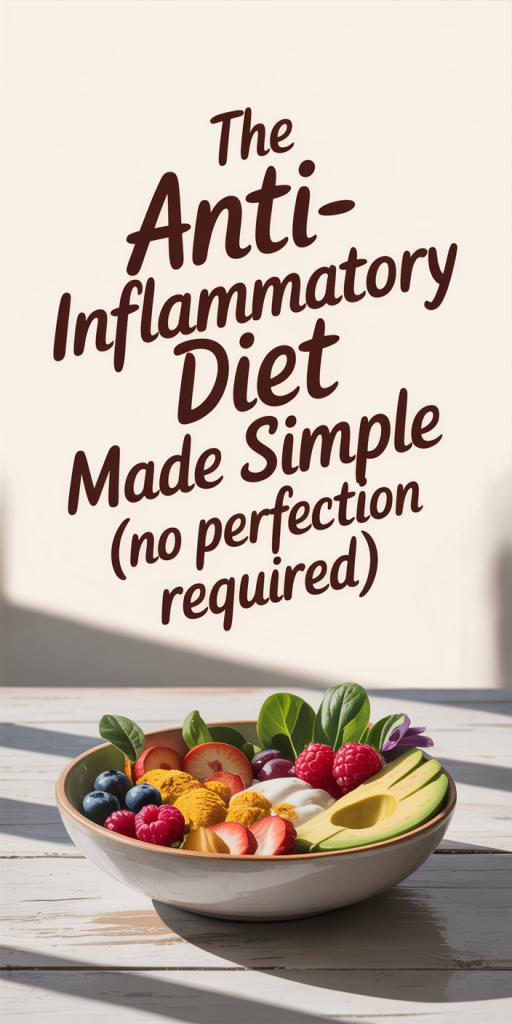
- Berries (blueberries, strawberries): High in polyphenols and easy to add to yogurt or salads.
- Leafy greens (spinach, kale): Nutrient-dense and versatile.
- Walnuts and chia: Plant sources of omega-3 (ALA) and fiber.
- Legumes (lentils, chickpeas, black beans): Affordable protein and fiber.
- Fatty fish (salmon, sardines, mackerel): Direct EPA/DHA, the most anti-inflammatory fats.
These are high-impact foods, small additions yield outsized benefits.
Foods To Limit Or Replace (How To Make Easy Swaps)
Swap smartly rather than eliminating:
- Replace sugary drinks with sparkling water or herbal tea with lemon.
- Swap white bread and pastries for whole-grain or sprouted-grain options.
- Trade processed snack foods for roasted chickpeas, nuts, or fruit + nut butter.
- Substitute fried fast food with grilled options or home-made oven-baked alternatives using olive oil.
Practical swaps keep us consistent. If we crave a treat, we’ll choose a dark chocolate square instead of a candy bar, satisfying, less inflammatory, and still human.
Meal Ideas, Recipes, And Practical Swaps — No Perfection Required
Here we get tactical: breakfast, lunch, dinner, and snack examples that are flavorful, quick, and anti-inflammatory. Each one has room for variation so we don’t feel boxed in.
Easy Breakfasts, Lunches, And Dinners With Quick Variations
- Breakfast: Greek yogurt parfait with mixed berries, walnuts, and a sprinkle of ground flax. Variation: swap yogurt for overnight oats made with chia, almond milk, and cinnamon.
- Breakfast (savory): Sautéed spinach and tomatoes with poached eggs on a slice of sprouted-grain toast. Variation: swap eggs for smoked salmon or tempeh scramble.
- Lunch: Big salad, mixed greens, roasted sweet potato, chickpeas, cucumber, avocado, and a lemon-olive oil dressing. Add grilled chicken or sardines for protein.
- Lunch (bowl): Brown rice, black beans, roasted veggies, salsa, and a dollop of plain yogurt. Variation: switch rice for quinoa: add pumpkin seeds.
- Dinner: Baked salmon with a turmeric-citrus glaze, side of steamed broccoli, and quinoa. Variation: use trout or mackerel: swap quinoa for farro.
- Dinner (plant-forward): Lentil and vegetable stew with plenty of herbs and a side of whole-grain bread.
Snacks, Condiments, And Simple Ways To Boost Flavor Without Inflammation
- Snacks: Apple slices + almond butter: carrot sticks + hummus: a small handful of walnuts and dark chocolate.
- Condiments: Homemade vinaigrettes (olive oil + vinegar + mustard), tahini lemon sauce, or herb-yogurt dips.
- Flavor boosters: Fresh herbs, citrus zest, garlic, ginger, turmeric, smoked paprika, and toasted seeds, inexpensive ways to add proven anti-inflammatory compounds.
One-Day Sample Menu With Portions
- Breakfast: 3/4 cup plain Greek yogurt + 1/2 cup mixed berries + 1 tbsp ground flax + 10 walnut halves.
- Snack: 1 medium apple + 1 tbsp almond butter.
- Lunch: Large salad, 3 cups mixed greens, 1/2 cup roasted sweet potato, 1/2 cup chickpeas, 1/4 avocado, 3 tbsp olive oil + lemon dressing.
- Snack: 1/3 cup hummus + raw vegetables.
- Dinner: 4–5 oz baked salmon, 1 cup steamed broccoli, 1/2 cup cooked quinoa.
This sample provides protein, fiber, and healthy fats across the day, a template we can adapt to taste and appetite.
Planning, Shopping, And Meal Prep For Busy Lives
We know life is busy. Anti-inflammatory eating should simplify, not complicate. A little planning goes a long way.
Weekly Shopping List Template And Batch-Prep Tips
Basic shopping list categories:
- Produce: Leafy greens, berries, broccoli, bell peppers, tomatoes, lemons, garlic, onions.
- Proteins: Canned or fresh salmon, chicken, tofu, tempeh, eggs.
- Pantry: Olive oil, whole grains (quinoa, brown rice), canned beans, nuts, seeds, spices (turmeric, ginger), green tea.
- Dairy/fermented: Plain yogurt, kefir, or plant-based fermented options.
Batch-prep tips:
- Roast a sheet-pan of mixed vegetables for quick meals and salads.
- Cook a pot of grains and a batch of beans at the start of the week.
- Portion snacks into ready-to-grab containers (nuts, chopped veggies with hummus).
- Make a big batch of a versatile grain bowl base to mix and match proteins and dressings.
A one-hour prep session on the weekend can save multiple weekday dinners and reduce temptation to choose processed options.
Time-Saving Strategies: 30-Minute Meals, Freezer Hacks, Leftover Transformations
- 30-minute meals: Stir-fries with pre-cut vegetables and tofu: sheet-pan fish + veggies: quick lentil soups.
- Freezer hacks: Freeze portions of soups, stews, and cooked grains in single-serving containers for instant meals.
- Leftover transformations: Turn last night’s roasted vegetables into a frittata, or blend them into a soup. Leftover salmon becomes salad topping or fish tacos.
These shortcuts keep anti-inflammatory choices accessible even on our busiest days.
Eating Out And Social Situations: Practical Scripts And Menu Choices
We don’t have to avoid social life. Use simple scripts:
- “Can we swap fries for a side salad or roasted vegetables?”
- “Could you make that with olive oil and lemon instead of butter?”
- “Is there a grilled or baked option?”
Menu choices to look for: grilled fish, salads with olive oil dressing on the side, vegetable-forward bowls, and bean- or lentil-based dishes. If dessert tempts us, choosing fresh fruit or a small piece of dark chocolate is a reasonable choice that keeps inflammation lower than sugary desserts.
Customizing The Diet For Your Goals And Conditions
An anti-inflammatory template can be adapted to support weight loss, athletic performance, blood sugar control, or disease-specific needs. We highlight key tweaks and when to consult professionals.
Adjusting For Weight Loss, Athletic Performance, Or Blood Sugar Control
- Weight loss: Focus on high-volume, lower-calorie foods (vegetables, broth-based soups), control portion sizes of calorie-dense foods (nuts, oils), and maintain protein at each meal to preserve lean mass.
- Athletic performance: Increase carbohydrates around training (sweet potatoes, whole-grain pasta, rice) while keeping overall food quality high. Prioritize protein for recovery and include anti-inflammatory fats to support tissue repair.
- Blood sugar control: Emphasize fiber, protein, and healthy fats at each meal, reduce simple sugars, and favor low-glycemic carbs like legumes and non-starchy vegetables.
Small adjustments in portion timing and macronutrient balance make the pattern work for different goals.
Considerations For Autoimmune Conditions, Food Sensitivities, And Medications
For autoimmune diseases or suspected food sensitivities, personalization matters more:
- Some individuals benefit from elimination approaches (under clinician guidance) to identify triggers.
- Food intolerances (e.g., lactose, gluten) can increase gut irritation: alternatives or testing may help.
- Certain medications interact with nutrients (e.g., blood thinners and high-vitamin K foods), coordinate changes with providers.
We recommend working with a registered dietitian or specialist if you have complex medical needs.
Supplements: When They Help And When Whole Foods Are Better
Supplements can be useful in gaps or short-term interventions:
- Omega-3 (EPA/DHA): Helpful if we don’t eat fatty fish regularly: look for a third-party tested product and aim for evidence-based dosages.
- Vitamin D: Many people are low: testing guides supplementation.
- Curcumin: Has anti-inflammatory evidence but variable absorption: combined with black pepper improves uptake.
Whole foods should be the foundation. Supplements are targeted tools, not replacements for a diverse, nutrient-dense diet.
Common Pitfalls And How To Avoid Perfectionism
We want sustainable change, not exhaustive rules. The main obstacles are psychological as much as nutritional.
Over-Restriction, All-Or-Nothing Thinking, And Plateaus
- Over-restriction: Cutting too much too fast often leads to rebound eating. Start with a few daily swaps instead of a complete overhaul.
- All-or-nothing thinking: If we slip at a party, it doesn’t erase progress. One meal rarely determines long-term outcomes.
- Plateaus: If weight or symptoms stall, adjust portion sizes, add movement, prioritize sleep, or review medication interactions, not punishment.
Recognizing these patterns prevents discouragement and helps us return to productive habits quickly.
Practical Mindset Shifts: Progress Over Perfection And Habit Stacking
- Progress over perfection: Track sustainable wins, more vegetables, one less sugary drink per day, two fish meals per week.
- Habit stacking: Tie new habits to existing routines (e.g., steam greens while the coffee brews). Small, consistent changes compound.
These mindset shifts keep us consistent and make the anti-inflammatory approach a lifestyle rather than a temporary fix.
How To Track Progress And Know If The Diet Is Working
Measuring progress is motivating and helps us refine the plan.
Simple Metrics: Symptoms, Energy, Sleep, Lab Tests To Consider
Track these practical indicators:
- Subjective symptoms: Rate daily energy, pain levels, mood, and digestive comfort on a simple 1–5 scale.
- Objective habits: Count vegetable servings, fish meals, or nights with 7+ hours of sleep per week.
- Sleep quality: Improved sleep often follows reduced inflammation.
- Lab tests to consider with a provider: high-sensitivity C-reactive protein (hs-CRP), fasting glucose and insulin, hemoglobin A1c, lipid panel, vitamin D levels.
We don’t need every test, focus on symptoms and a few targeted labs when appropriate.
When To Seek Professional Help: Red Flags And Specialist Referrals
Seek medical advice if:
- You have new, unexplained, or worsening symptoms (unintentional weight loss, severe fatigue, persistent fever).
- You suspect an autoimmune condition or have uncontrolled chronic disease.
- You need personalized macronutrient advice for athletic training or complex medications.
Referral options: primary care, registered dietitian, rheumatologist, or endocrinologist depending on the concern. We can optimize diet guidance when it’s integrated with clinical care.
A Flexible 7-Day Starter Plan (Shopping List And Recipes)
Here’s a flexible, realistic week to help us practice the pattern. Portions are adjustable based on appetite and goals.
Smart Grocery List For The Week
Produce:
- Mixed salad greens (2 bags), spinach (1 large), broccoli (2 heads), bell peppers (3), sweet potatoes (4), lemons (4), garlic, onions, berries (frozen or fresh), apples.
Protein & pantry:
- Canned salmon (2), fresh salmon (2 fillets), eggs (1 dozen), lentils (dried or canned), chickpeas (2 cans), black beans (1 can), quinoa, brown rice.
- Olive oil, extra-virgin, tahini, mixed nuts (walnuts, almonds), chia seeds.
- Spices: turmeric, cumin, smoked paprika, black pepper, dried oregano.
Dairy & fermented:
- Plain Greek yogurt or kefir, small block of dark chocolate (70%+).
7-Day Outline With Quick Prep Notes
Day 1
- Breakfast: Overnight oats with chia and berries.
- Lunch: Salad with roasted sweet potato, chickpeas, greens, tahini dressing.
- Dinner: Baked salmon, steamed broccoli, quinoa.
- Prep note: Roast extra sweet potatoes for the week.
Day 2
- Breakfast: Yogurt + walnuts + berries.
- Lunch: Leftover salmon on greens with lemon-olive oil.
- Dinner: Lentil stew with spinach and tomatoes.
- Prep note: Make a double batch of lentil stew: freeze half.
Day 3
- Breakfast: Spinach and tomato omelet.
- Lunch: Grain bowl (brown rice, black beans, roasted peppers, avocado).
- Dinner: Stir-fried tofu with broccoli and brown rice.
- Prep note: Press and marinate tofu in advance.
Day 4
- Breakfast: Smoothie (frozen berries, spinach, chia, protein of choice).
- Lunch: Leftover lentil stew.
- Dinner: Grilled chicken or tempeh with roasted vegetables.
- Prep note: Grill a few extra chicken breasts for salads.
Day 5
- Breakfast: Whole-grain toast with avocado and a soft-boiled egg.
- Lunch: Chickpea salad sandwich on sprouted-grain bread.
- Dinner: Mackerel or sardine pasta with olive oil, garlic, and kale.
Day 6
- Breakfast: Greek yogurt with sliced apple and cinnamon.
- Lunch: Big salad with leftover proteins and a vinaigrette.
- Dinner: Vegetable and bean chili: serve with brown rice.
- Prep note: Freeze chili portions for quick future meals.
Day 7
- Breakfast: Scrambled eggs with leftover veggies.
- Lunch: Leftover chili or grain bowl.
- Dinner: Sheet-pan baked fish with mixed vegetables and a simple green salad.
This flexible plan emphasizes batch cooking, frozen fruit and vegetables when fresh isn’t available, and easy swaps. We can repeat favorites and scale quantities to meet our household needs.
Conclusion
Adopting an anti-inflammatory diet isn’t about perfection, it’s about practical, consistent choices that lower chronic immune activation and improve how we feel day-to-day. We’ve given a clear framework: understand what inflammation looks like, prioritize anti-inflammatory nutrients, make simple swaps, and use planning strategies that fit real lives. Start with one or two changes this week, add a fish meal, swap sugary drinks for water, or batch-roast vegetables. Those small moves compound into meaningful improvements in energy, mood, and long-term health. If you have specific conditions, partner with a clinician or dietitian to personalize the plan. Let’s aim for progress, not perfection, and make anti-inflammatory eating part of how we live well in 2026.
Want More From Nick?
Join The Health-First Fat Loss Club
✓ All 16+ Programs
✓ Private Community
✓ Weekly New Content
✓ Cancel Anytime
Nick Garcia
Health & Nutrition Expert · 15+ Years Experience