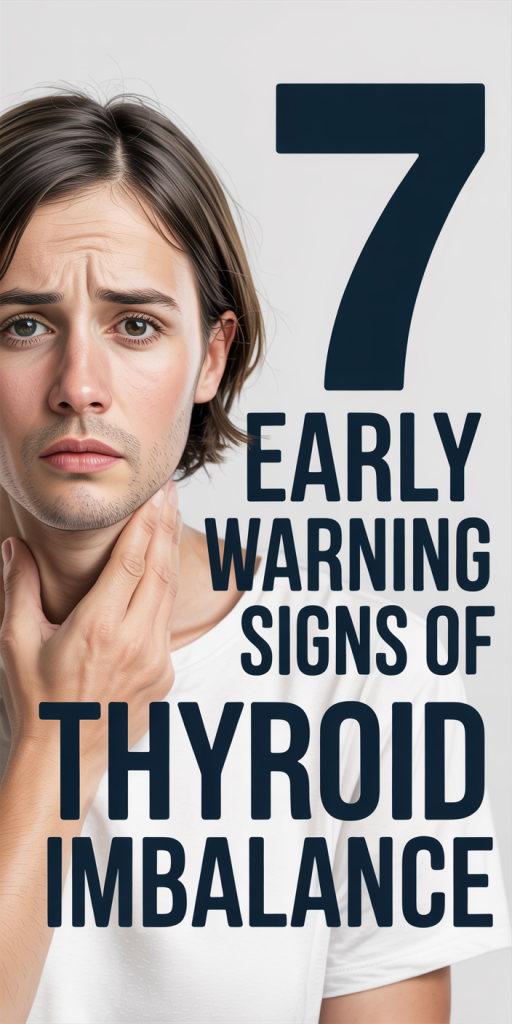
Thyroid problems are common, subtle, and easy to miss until they start affecting daily life. As clinicians and patients become more proactive in 2026, we’re better at spotting early clues that the thyroid, a small, butterfly-shaped gland in the neck, isn’t behaving as it should. In this text we’ll walk through seven early warning signs of thyroid imbalance, explain what each symptom might mean physiologically, and give clear, practical steps you can take right away. Whether you’re trying to figure out unexplained fatigue, puzzling weight changes, or new mood swings, our goal is to help you recognize patterns early, know which tests matter, and decide when to seek care.
Fatigue And Unexplained Low Energy
How To Recognize It
Fatigue from thyroid dysfunction often feels different from run-of-the-mill tiredness. Instead of fading after a night’s sleep or a weekend rest, the exhaustion lingers. We notice a persistent, heavy tiredness that reduces stamina for work, exercise, and routine tasks. Small cognitive slips, slower thinking, difficulty concentrating, or feeling mentally “foggy”, tend to accompany the low energy.
Look for a pattern: energy that’s consistently lower than it used to be, a need for naps more than once a week, or getting worn out by activities that previously felt easy. Ask yourself whether the fatigue comes with other signs on this list (weight change, cold sensitivity, dry skin). Thyroid-related fatigue commonly appears gradually over weeks to months rather than suddenly: that gradual worsening is a useful clue.
Possible Causes And Immediate Steps
What’s going on? When the thyroid produces too little hormone (hypothyroidism), the body’s metabolic processes slow. Cells receive fewer signals to make and use energy efficiently, so we feel depleted. Conversely, an overactive thyroid (hyperthyroidism) can cause a paradoxical exhaustion, the body is overstimulated and eventually burned out.
Immediate steps we recommend:
- Track sleep and daily activity for two weeks. Note sleep hours, naps, energy highs/lows, and foods eaten. Patterns can reveal whether lifestyle or medical issues are likelier contributors.
- Rule out common mimics: anemia, vitamin B12 or D deficiency, poor sleep quality (sleep apnea), and depression. These are testable and often treatable.
- If fatigue is persistent and unexplained, schedule a visit with your clinician and request a thyroid panel (see section on tests). Bring your symptom log: objective details help clinicians prioritize testing.
Small, practical moves while waiting for evaluation: prioritize consistent sleep, reduce caffeine late in the day, and maintain gentle physical activity, even short daily walks help mood and mitochondrial function. Avoid assuming rest alone will fix this: persistent fatigue deserves evaluation.
Unexplained Weight Changes Or Difficulty Losing Weight
How To Recognize It
Weight fluctuations tied to thyroid issues often come with a sense of unfairness: you’re eating similarly to before, exercising, and yet the scale steadily rises, or falls, without clear cause. With hypothyroidism, slow, steady weight gain (often 5–15 pounds over months) is common: it’s driven by slowed metabolism and fluid retention. With hyperthyroidism, unintentional weight loss even though normal or increased appetite is a red flag.
Recognize the pattern: difficulty losing weight even though calorie control and exercise, or inexplicable loss of pounds with an unchanged diet. Also watch body composition changes, decreased exercise tolerance and muscle loss can make the body hold more fat even if the scale changes are modest.
Underlying Mechanisms And Practical Responses
The thyroid regulates basal metabolic rate through hormones (T4 and T3). When levels drop, calorie burn at rest falls: when they rise, metabolic rate accelerates. Thyroid dysfunction also affects appetite hormones, gut motility, and how the body stores or mobilizes fat.
Practical responses:
- Don’t assume diet alone will reverse thyroid-related weight change. Treating the thyroid condition often restores metabolic balance and makes nutrition/exercise efforts more effective.
- Keep a detailed food and activity diary for at least two weeks to present to your provider. This helps separate behavioral factors from physiological causes.
- Ask your clinician about a full thyroid panel (TSH, free T4, free T3, and thyroid antibodies) and consider metabolic labs (lipid panel, fasting glucose, HbA1c) if appropriate.
- If hypothyroidism is confirmed, levothyroxine replacement usually helps normalize weight over months: we should set realistic expectations, weight may not return entirely to pre-illness levels without structured nutrition and strength training.
For those struggling to lose weight even though seemingly normal thyroid tests, consider a follow-up with an endocrinologist, subtle abnormalities in T3 conversion, insulin resistance, or medication interactions can be at play.
Changes In Heart Rate Or Palpitations
How To Recognize It
Thyroid hormones influence heart rate, rhythm, and contractility. Changes we see include a resting heart rate that is consistently higher or lower than usual, new palpitations (flutters, skips, or rapid pounding), or increased sensitivity to stimulants like caffeine.
Hyperthyroidism commonly produces a resting tachycardia (fast heart rate), racing heartbeat during minimal exertion, and palpitations. Hypothyroidism tends toward bradycardia (slow heart rate), though patients may also feel exertional breathlessness or fatigue that feels cardiovascular.
Recognize severity by noting frequency and triggers: Are palpitations intermittent or sustained? Do they come with dizziness, chest pain, shortness of breath, or fainting? Any of those accompanying symptoms raise urgency.
When Heart Symptoms Suggest Thyroid Dysfunction And What To Do
When to suspect thyroid involvement:
- New, unexplained persistent tachycardia or palpitations, especially when accompanied by weight change, tremor, heat intolerance, or anxiety, think hyperthyroidism.
- Unexplained bradycardia (slow pulse) or worsening exercise intolerance alongside cold sensitivity, weight gain, or constipation, think hypothyroidism.
What we do next:
- If palpitations are mild and without alarming features, schedule primary care evaluation and request thyroid testing plus an EKG. Wearable heart-rate trackers can provide helpful data for the visit.
- If palpitations are associated with chest pain, syncope, severe shortness of breath, or you feel faint, seek emergency care. Rapid arrhythmias tied to thyroid disease can be dangerous.
- Treatment path: hyperthyroid-related tachycardia often improves quickly with beta-blockers for symptom control and targeted antithyroid therapy (antithyroid medications, radioactive iodine, or surgery depending on cause). Hypothyroid-related bradycardia generally improves once thyroid hormone replacement is optimized.
Always coordinate cardiac and endocrine care when heart symptoms are present: we want to manage rhythm and address the hormonal driver together.
Mood Changes, Depression, Or Anxiety
How To Recognize Thyroid-Related Mood Shifts
The brain is sensitive to thyroid hormone levels. Mood changes tied to thyroid imbalance can be subtle: low motivation, apathy, slowed thinking, and depressive symptoms with hypothyroidism: irritability, anxiety, and heightened nervousness with hyperthyroidism. Sleep disturbance often co-occurs and amplifies mood symptoms.
We look for cognitive patterns that differ from primary psychiatric disorders. Thyroid-related mood shifts commonly emerge alongside physical symptoms, changes in weight, energy, temperature tolerance, or hair/skin signs. Onset that aligns with new physical complaints increases the likelihood that the thyroid is involved.
Differentiating From Other Causes And Next Steps
Differential considerations include primary mood disorders, medication side effects, substance use, chronic medical conditions, and major life stressors. Practical steps:
- Document mood changes alongside physical signs and the timeline of onset. This helps clinicians separate primary psychiatric illness from secondary mood effects.
- Request thyroid testing, especially if mood symptoms are new, atypical, or resistant to standard therapies.
- Consider concurrent screening for depression and anxiety using validated tools (PHQ-9, GAD-7) to quantify severity and guide treatment.
- If thyroid dysfunction is present, treat or normalize thyroid levels first while monitoring mood. We often coordinate care with mental health professionals because mood symptoms may persist for a while even after thyroid correction.
Note: In some cases (especially severe hyperthyroidism or hypothyroidism with psychosis), urgent psychiatric or medical intervention is necessary. If there’s any risk of self-harm, seek emergency help immediately.
Sensitivity To Cold Or Heat And Temperature Intolerance
How To Recognize Significant Temperature Sensitivity
Temperature intolerance is a classic but underreported sign. People with hypothyroidism often feel cold when others are comfortable, they may layer clothing, seek extra blankets, or have cold hands and feet even though normal ambient temperatures. Conversely, those with hyperthyroidism often feel overheated, sweat easily, and avoid warm settings.
We advise noting whether temperature sensitivity is new and whether it’s accompanied by changes in skin moisture (dry vs. sweaty), heart rate, or weight. Persistent sensitivity that interferes with daily comfort is an important clinical clue.
Physiological Reasons And Practical Adjustments
Why this happens: thyroid hormones modulate basal metabolic rate and heat production. Low thyroid levels reduce heat generation and peripheral circulation, causing cold intolerance. High thyroid levels increase metabolic heat production and sympathetic nervous system activity, causing heat intolerance.
Practical adjustments while investigating:
- For cold intolerance: use layering, hand warmers, and maintain moderate exercise to boost circulation. Check hemoglobin to rule out anemia, which also causes cold sensitivity.
- For heat intolerance: stay hydrated, avoid heavy exertion in hot environments, and choose breathable clothing. If symptoms are severe, medical evaluation is urgent because excessive heat intolerance can lead to dehydration and arrhythmias.
Treating the underlying thyroid imbalance typically normalizes thermal regulation over weeks to months.
Hair Loss, Dry Skin, Or Changes In Hair Texture
How To Spot Thyroid-Related Skin And Hair Changes
Thyroid hormones affect skin turnover, hair follicles, and oil production. With hypothyroidism we commonly observe dry, coarse skin, thinning hair, and hair that becomes brittle. Diffuse hair thinning across the scalp, rather than localized patches, is more suggestive of thyroid involvement. With hyperthyroidism, hair can be fine and shed more rapidly.
Watch for accompanying symptoms: brittle nails, dry scalp, changes in eyebrow density (particularly outer third thinning), or delayed wound healing. If hair loss is sudden, patchy, or accompanied by scalp inflammation, other causes like alopecia areata or fungal infections must be considered.
Treatments, Cosmetic Options, And When To See A Specialist
Treatment approach:
- Medical: If testing confirms thyroid dysfunction, optimizing thyroid hormone levels is the first-line step. Hair and skin often improve with treatment, but recovery can take several months because hair growth cycles are slow.
- Nutritional: Ensure adequate protein intake, iron, zinc, and biotin: deficiencies worsen hair issues. We recommend checking ferritin, low iron stores commonly exacerbate hair loss.
- Cosmetic: While waiting for medical recovery, gentle hair care (avoiding heat styling and tight hairstyles), moisturizing skin emollients, and using volumizing or thickening shampoos can improve appearance.
- Specialist referral: See a dermatologist if hair loss is rapid, patchy, or if cosmetic interventions are desired. A trichologist or hair-specialty clinic can offer topical treatments (minoxidil), platelet-rich plasma, or other procedures when appropriate.
We counsel patience: even with ideal thyroid therapy and nutrition, visible hair regrowth can take 3–6 months.
Menstrual Irregularities Or Fertility Issues
How Thyroid Imbalance Affects Menstrual Cycle And Fertility
The thyroid and reproductive systems are tightly linked. Hypothyroidism often causes heavier, longer, or irregular periods (menorrhagia), while hyperthyroidism can lead to lighter or infrequent periods (oligomenorrhea). Both extremes can interfere with ovulation and reduce fertility.
Mechanisms include altered levels of sex hormone–binding globulin, disrupted pulsatile release of gonadotropin-releasing hormone (GnRH), and changes in prolactin. Autoimmune thyroid disease (Hashimoto’s or Graves’) can also coexist with other autoimmune causes of infertility.
When To Test For Thyroid Causes And Reproductive Care Steps
When to suspect thyroid contribution:
- New menstrual irregularities coinciding with other thyroid symptoms (fatigue, weight change, temperature intolerance, hair or skin changes).
- Difficulty conceiving after 6–12 months of unprotected intercourse (for women under 35, many clinicians start evaluation at 12 months: sooner if risk factors exist).
Recommended steps:
- Request thyroid testing (TSH, free T4, and thyroid antibodies if autoimmune disease is suspected) as part of fertility workup.
- Discuss reproductive goals with your clinician. If hypothyroidism is found, appropriate levothyroxine dosing often restores regular cycles and improves fertility outcomes. For women who are pregnant or trying to conceive, maintaining TSH in a tighter target range is important, pregnancy increases thyroid hormone needs.
- Coordinate care with an endocrinologist and reproductive specialist when fertility issues are present. Address coexisting factors like ovulatory disorders, partner fertility, and uterine or tubal pathology.
Bottom line: thyroid testing is inexpensive and should be routine when menstrual irregularities or fertility concerns appear. Early detection often prevents months of unnecessary fertility interventions.
Diagnosis And Next Steps If You Suspect A Thyroid Problem
Common Tests And What The Results Mean
When we suspect thyroid dysfunction, the standard starting tests are:
- TSH (thyroid-stimulating hormone): the most sensitive initial screen. Elevated TSH suggests primary hypothyroidism: suppressed TSH suggests hyperthyroidism.
- Free T4 and free T3: measure the circulating active hormones. Free T4 is most useful for hypothyroid evaluation: free T3 helps when hyperthyroid symptoms exist or when T4/T3 conversion is suspected.
- Thyroid antibodies (anti-TPO, anti-thyroglobulin, TSH receptor antibodies): detect autoimmune thyroid disease (Hashimoto’s, Graves’). Antibody positivity informs prognosis and management.
- Additional tests: radioactive iodine uptake for differentiating causes of hyperthyroidism, thyroid ultrasound for nodules or structural evaluation, and measurement of reverse T3 in select cases.
Interpreting results:
- High TSH + low free T4: overt hypothyroidism, usually requires replacement therapy.
- Mildly elevated TSH with normal free T4: subclinical hypothyroidism, management depends on symptoms, antibody status, and cardiovascular risk.
- Low TSH + high free T4/T3: overt hyperthyroidism, needs prompt evaluation and treatment.
- Discordant or borderline results warrant follow-up testing and an endocrine consult.
How Doctors Decide On Treatment And When To Seek Urgent Care
Treatment decisions incorporate lab values, symptom severity, age, pregnancy status, comorbid conditions, and antibody presence. Typical approaches:
- Hypothyroidism: daily levothyroxine titrated to normalize TSH. We check TSH 6–8 weeks after any dose change and then less frequently once stable.
- Hyperthyroidism: symptom control (beta-blockers) plus definitive or temporary therapies depending on cause, antithyroid drugs, radioactive iodine, or surgery. Graves’ ophthalmopathy or large goiters may push toward specific treatments.
- Subclinical disease: individualized. We may treat symptomatic patients, women trying to conceive, or those with high antibody titers: others are monitored.
When to seek urgent care:
- Signs of thyroid storm (rare but life-threatening): very high fever, severe tachycardia, altered mental status, dehydration, or shock, emergency department evaluation required.
- Severe bradycardia, syncope, chest pain, or acute shortness of breath, seek urgent care or the ED.
We recommend keeping a written list of symptoms and recent labs for appointments. Shared decision-making helps tailor therapy: dosing, monitoring intervals, and combining care between primary care, endocrinology, cardiology, or reproductive specialists when needed.
Conclusion
Thyroid imbalance can touch almost every area of life, energy, weight, heart rhythm, mood, temperature comfort, skin, hair, and reproductive health. By watching for these seven early warning signs and acting promptly, we increase the chance of catching problems early when treatment is simpler and outcomes are better. Start by documenting symptoms, requesting basic thyroid testing from your clinician, and addressing urgent signs without delay. If tests confirm thyroid dysfunction, timely treatment paired with lifestyle and nutritional support usually restores function and improves quality of life. We encourage you to be proactive: the thyroid is small, but its effects are big, and in 2026, we have clearer pathways than ever to diagnose and manage imbalance effectively.
Want More From Nick?
Join The Health-First Fat Loss Club
✓ All 16+ Programs
✓ Private Community
✓ Weekly New Content
✓ Cancel Anytime
Nick Garcia
Health & Nutrition Expert · 15+ Years Experience