When we think of hypothyroidism (an underactive thyroid), images of weight gain and fatigue often come to mind. But the truth is more complicated: many people experience subtle, surprising symptoms that get attributed to stress, aging, or busy lives. In this text we’ll peel back the layers and show 12 hidden signs of an underactive thyroid you might be overlooking in 2026. We’ll explain why these symptoms are missed, how to test accurately, what can mimic hypothyroid symptoms, and practical steps to take if we suspect our thyroid is underperforming. Our goal is to help you spot patterns earlier so you, and your clinician, can make better decisions.
What Is An Underactive Thyroid (Hypothyroidism)?
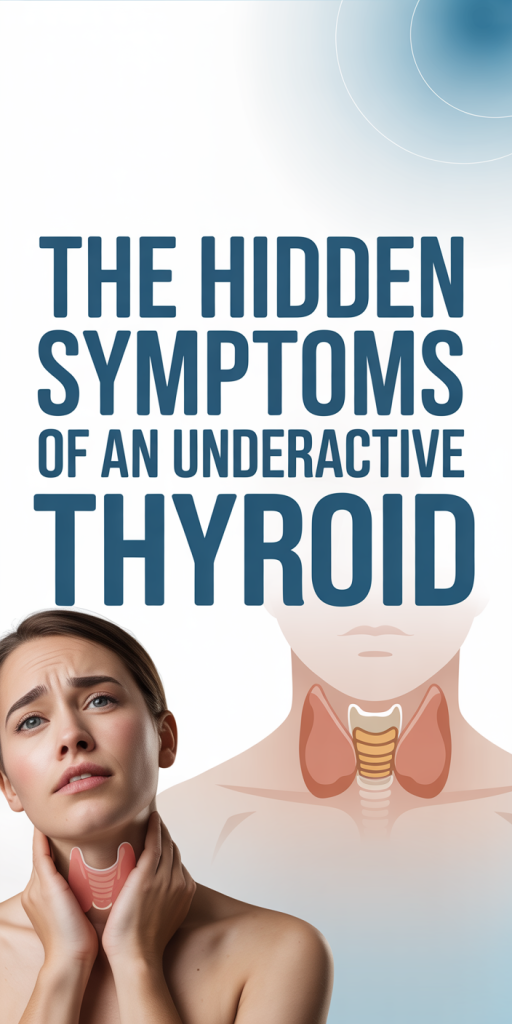
An underactive thyroid, medically known as hypothyroidism, occurs when the thyroid gland doesn’t produce enough thyroid hormones (primarily T4 and T3) to meet the body’s needs. Thyroid hormones regulate metabolic rate, temperature, heart rate, digestion, mood, and brain function. When levels are low, multiple systems slow down, but the pattern can be subtle and variable.
Primary hypothyroidism is usually due to a problem within the thyroid itself (for example autoimmune destruction in Hashimoto’s thyroiditis). Secondary or tertiary hypothyroidism stems from insufficient stimulation of the thyroid by the pituitary (TSH) or hypothalamus (TRH). Symptoms develop over months to years and often overlap with other conditions.
In clinical practice we rely on a combination of symptoms, lab tests, and sometimes imaging. Still, many people have ‘subclinical’ or early disease where standard tests look borderline. That’s why understanding the hidden symptoms, the ones that slip under the radar, matters: they can prompt timely testing and treatment before quality of life deteriorates.
Why Hidden Symptoms Are Often Missed
Several factors conspire to hide hypothyroidism:
- Symptom overlap: Fatigue, mood shifts, and weight changes are common in depression, sleep disorders, menopause, and busy lifestyles. We and our clinicians can easily chalk them up to life stressors.
- Gradual onset: Thyroid decline is often slow. When changes happen over months or years, we adapt and normalize the new baseline.
- Variable presentation: Not everyone follows the textbook. Some have cognitive complaints without major weight gain: others have constipation or cold intolerance as the only hint.
- Laboratory limitations: TSH, the usual first-line test, isn’t perfect. Normal TSH with low peripheral hormones or positive antibodies can exist. Subclinical hypothyroidism can also be missed if clinicians don’t test broadly.
- Gender and age bias: Because thyroid disease is more common in women and older adults, symptoms in men or younger people may be discounted.
All of these mean we must look beyond single lab values and consider patterns. When symptoms cluster across domains, cognitive, metabolic, cardiovascular, reproductive, suspicion should rise.
Hidden Symptom Categories And 12 Subtle Signs To Watch For
Below we group the most subtle, commonly missed signs by system. Think of this as a checklist: one or two alone may not mean much, but several together raise the chance that an underactive thyroid is at play.
Cognitive: Brain Fog And Concentration Problems
We often blame multitasking or lack of sleep when our thinking feels sluggish. But hypothyroidism commonly causes “brain fog”: slowed processing speed, trouble finding words, poorer short-term memory, and difficulty concentrating. These complaints can resemble early dementia in older adults but are frequently reversible with appropriate thyroid treatment.
Energy Patterns: Persistent Fatigue That Doesn’t Improve With Sleep
Fatigue is ubiquitous, yet hypothyroid fatigue has features: it’s persistent even though reasonable sleep quantity, worsens with cold or stress, and doesn’t follow the usual recovery pattern after rest. We may feel heavy, like we’re moving through molasses. Day-to-day energy variability, good mornings followed by crushing afternoons, can be another clue.
Emotional: Depression, Anxiety, And Mood Shifts
Mood changes in hypothyroidism are complex. Many people experience low mood, decreased motivation, and apathy: others may report heightened anxiety. Because mood disorders are common independently, thyroid-related mood shifts are often treated symptomatically without investigating thyroid function, another reason these symptoms get missed.
Weight And Metabolism: Unexplained Weight Gain Or Difficulty Losing Weight
Even modest weight gain (5–10 pounds) without major lifestyle change can stem from a slower metabolic rate due to low thyroid hormone. We may hit plateaus even though diet and exercise. Importantly, hypothyroidism rarely causes dramatic obesity on its own, but it makes losing weight harder and may redistribute fat.
Temperature Regulation: Cold Intolerance And Low Basal Body Temperature
People with underactive thyroids frequently feel colder than others in the same environment: they may prefer warm clothes indoors and sleep with extra blankets. Basal body temperature (first-morning measurement) trends lower in hypothyroidism. This subtle chill is an indicator worth noting, especially when paired with fatigue and dry skin.
Cardiovascular: Slower Heart Rate And Unexplained High Cholesterol
Thyroid hormones keep our heart rate and cholesterol metabolism in balance. A resting bradycardia (slower-than-usual heart rate) or an unexplained rise in LDL cholesterol even though healthy diet and activity can point toward underactive thyroid. These changes are often dismissed as primary cardiac or metabolic issues rather than endocrine.
Musculoskeletal: Muscle Aches, Cramps, And Slowed Reflexes
Hypothyroidism can cause diffuse muscle stiffness, cramps, and aching that mimic fibromyalgia. Clinically, we may note slowed deep tendon reflexes (e.g., delayed ankle jerk). Muscle cramps and stiffness that don’t respond to typical therapies should trigger thyroid evaluation.
Skin, Hair, And Nails: Dry Skin, Hair Thinning, And Brittle Nails
Because thyroid hormones influence skin cell turnover, hypothyroidism frequently leads to dry, coarse skin, hair thinning (especially outer eyebrows), and nails that crack or become brittle. These cosmetic changes often appear gradual but, when combined with other signs, provide strong corroborating evidence.
Digestive: Persistent Constipation Or Slowed Digestion
Thyroid hormone affects gut motility. Persistent constipation, bloating, and slowed digestion that don’t improve with fiber, fluid, or standard laxatives may indicate an underlying thyroid issue. We should ask about changes in bowel habits when assessing possible hypothyroidism.
Reproductive: Irregular Periods, Fertility Issues, And Low Libido
Thyroid function tightly interacts with reproductive hormones. Women may experience longer, heavier, or irregular cycles, while both sexes can report reduced libido. Infertility or recurrent miscarriages sometimes have a thyroid component. These reproductive signs are often investigated in gynecologic or fertility settings where thyroid screening is appropriate.
Neurological: Tingling, Numbness, Or Peripheral Neuropathy Symptoms
Chronic low thyroid function can cause peripheral nerve compression or neuropathy manifesting as tingling, numbness, or pins-and-needles in the hands and feet. Carpal tunnel–like symptoms are not uncommon. Such sensory complaints are frequently sent to neurology before thyroid is considered.
Sleep And Breathing: Excessive Sleepiness Or Sleep Apnea Signals
Hypothyroidism may increase daytime sleepiness independent of sleep duration and can worsen or contribute to obstructive sleep apnea by promoting weight gain and tissue swelling in the airway. If we notice worsening snoring or daytime somnolence, a thyroid check should be part of the workup.
When To Get Tested: Timing, Triggers, And Who Should Be Screened
Deciding when to test involves considering symptom clusters, risk factors, and red flags.
We should consider testing when:
- Several subtle symptoms from different categories appear together (for example, brain fog + constipation + cold intolerance).
- There’s unexplained persistent fatigue, weight changes, or mood shifts that don’t respond to standard interventions.
- Lipid levels rise without a clear cause, or bradycardia emerges.
- Reproductive issues (infertility, irregular menses, recurrent miscarriage) are present.
- There’s a family history of thyroid disease or personal history of autoimmune disease.
Universal screening remains debated. Many organizations recommend targeted screening for symptomatic individuals, pregnant people, or those with risk factors. We typically test sooner rather than later because early diagnosis prevents progression and complications such as worsened lipids or fertility problems.
Key Thyroid Tests And What The Results Mean
Understanding common thyroid labs helps us interpret results beyond a single number.
TSH: Why It’s The First-Line Test And Its Limitations
TSH (thyroid-stimulating hormone) is produced by the pituitary and is very sensitive to changes in circulating thyroid hormone. It’s the standard initial test because small changes in thyroid function often produce measurable TSH shifts. A high TSH usually indicates primary hypothyroidism, while a low TSH suggests hyperthyroidism or central causes.
But, TSH has limitations:
- It can be normal in early or subclinical disease.
- Central hypothyroidism (pituitary/hypothalamic dysfunction) may show low or normal TSH even though low peripheral hormones.
- Illness, medications (like steroids, dopamine), and non-thyroidal illness can transiently alter TSH.
Because of these caveats, TSH should be interpreted alongside Free T4 and clinical context.
Free T4, Free T3, And Reverse T3: Interpreting Peripheral Hormones
Free T4 (the unbound fraction of thyroxine) and Free T3 (the active hormone triiodothyronine) reflect the hormones available to tissues. In many cases of hypothyroidism Free T4 is low and aligns with elevated TSH. Free T3 can be low in chronic illness or in impaired peripheral conversion.
Reverse T3 (rT3) is an inactive form produced when peripheral conversion shifts away from active T3. Elevated rT3 can occur with illness, fasting, or certain medications and may complicate interpretation: routine rT3 testing is controversial and usually reserved for complex cases.
Thyroid Antibodies: Detecting Autoimmune Thyroid Disease
Testing for anti-thyroid peroxidase (anti-TPO) and anti-thyroglobulin antibodies helps detect autoimmune thyroiditis (Hashimoto’s), the most common cause of hypothyroidism in many populations. Positive antibodies can precede overt hypothyroidism by years and may explain fluctuating symptoms even when routine labs are borderline.
Additional Labs And Baseline Screening (Cholesterol, CBC, Metabolic Panel)
Because hypothyroidism affects multiple systems, we often check a fasting lipid panel (LDL can rise), complete blood count (anemia is common), and metabolic panel (for liver function, electrolytes). Baseline measurements help guide treatment and monitor for improvement.
Conditions That Can Mimic Or Mask Hypothyroid Symptoms
Because hypothyroidism affects broad systems, many conditions can mimic or cloud the picture. Recognizing these helps prevent misdiagnosis.
Common Mimics: Depression, Anemia, Chronic Fatigue, And Sleep Disorders
Depression shares symptoms of low mood, poor concentration, and low energy. Similarly, iron-deficiency anemia causes fatigue and cognitive slowing. Chronic fatigue syndrome and untreated sleep apnea produce daytime sleepiness and cognitive issues. We must evaluate these possibilities in parallel, often with ferritin, sleep studies, and mental health screening, while also testing thyroid function.
Hormonal Overlaps: Adrenal Dysfunction, Perimenopause, And PCOS
Adrenal insufficiency or dysregulation (poor stress response) can cause fatigue and salt cravings. Perimenopause and menopause produce irregular cycles, mood swings, and sleep disturbance that overlap with thyroid symptoms. Polycystic ovary syndrome (PCOS) shares metabolic features such as weight gain and fertility challenges. A broad endocrine perspective helps us untangle these overlapping syndromes.
Medication Effects And Nutrient Deficiencies That Resemble Hypothyroidism
Several medications (amiodarone, lithium, certain antipsychotics) interfere with thyroid function or mimic its symptoms. Nutrient deficiencies, particularly iron, vitamin B12, and vitamin D, can cause fatigue, cognitive impairment, and neuropathy similar to hypothyroidism. Assessing medication history and nutrient status is an essential step in the diagnostic process.
Practical Steps If You Suspect An Underactive Thyroid
If we suspect hypothyroidism, a systematic approach improves chances of an accurate diagnosis and timely care.
How To Track Symptoms Effectively (What To Log And For How Long)
We recommend tracking symptoms for 4–8 weeks to establish patterns. Useful items to log include:
- Sleep quantity and quality
- Daily energy levels (simple 1–10 scale)
- Cognitive episodes (word-finding issues, concentration lapses)
- Bowel habits
- Weight and appetite
- Temperature sensitivity
- Menstrual cycle changes or libido shifts
- Any new medications or life stressors
Record timing, triggers, and whether symptoms fluctuate. This log helps clinicians correlate symptoms with labs and avoid dismissing gradual changes.
How To Talk To Your Clinician: Tests To Request And Questions To Ask
Be proactive: bring your symptom log and ask for a targeted thyroid workup. Reasonable requests include TSH, Free T4, Free T3 (if available), and thyroid antibodies (anti-TPO). If we’ve had persistent fatigue or unexplained lipid changes, request a lipid panel and basic metabolic screening. Good questions to ask:
- “Could my symptoms be linked to thyroid dysfunction?”
- “Can we check thyroid antibodies?”
- “If my TSH is borderline, what are the next steps?”
- “How will we track improvement if I start treatment?”
Clear communication ensures labs are interpreted in context rather than as isolated numbers.
Lifestyle Interventions That Support Thyroid Health (Diet, Sleep, Movement)
While medication treats hormone deficiency, lifestyle supports symptom management and overall health. We suggest:
- Prioritizing sleep: consistent sleep schedule and sleep hygiene reduce fatigue.
- Balanced nutrition: adequate protein, iodine sources (when appropriate), selenium-rich foods (brazil nuts in moderation), and sufficient iron and vitamin D support thyroid function and conversion.
- Regular movement: gentle strength training improves metabolism and mood: avoid overtraining, which can stress the endocrine system.
- Stress management: chronic stress alters hormonal balance: mindfulness, breathing techniques, and therapy can help.
These interventions don’t replace medication when needed but often improve outcomes.
Overview Of Treatment Options And What To Expect With Medication
Levothyroxine (synthetic T4) is the standard treatment for most cases of hypothyroidism. We generally start at a dose tailored to age, cardiac history, and severity, then titrate based on symptoms and TSH. Many people notice energy and cognitive improvements within weeks, but full benefits can take 6–12 weeks.
Some patients continue to have symptoms even though normalized TSH: in select cases, combination therapy with T3 (liothyronine) or desiccated thyroid extract may be considered under specialist guidance. Shared decision-making is essential because T3 can cause palpitations or bone loss with inappropriate dosing.
We advise realistic expectations: medication tends to relieve many symptoms, but recovery speed varies and some issues (e.g., longstanding weight changes or neuropathy) may take longer to improve or require adjunct therapies.
Monitoring Treatment, When To Adjust, And Red Flags That Need Urgent Care
Once treatment begins, monitoring ensures we’re on the right track and helps catch complications early.
How Often To Recheck Labs And Track Symptom Improvement
After starting or changing levothyroxine dose, we typically recheck TSH (and sometimes Free T4) every 6–8 weeks until levels stabilize. Once stable, annual checks are reasonable for most people: more frequent monitoring is needed during pregnancy, dose changes, or when symptoms recur.
Parallel to labs, we track symptom improvement using the same log we started with. Objective markers like improved lipid panels, more regular cycles, or resolved constipation indicate meaningful progress.
Warning Signs That Require Immediate Medical Attention
Though hypothyroidism itself is usually chronic and manageable, severe cases can lead to myxedema coma, a rare, life-threatening decompensation. Warning signs requiring immediate care include:
- Profound lethargy or decreased consciousness
- Hypothermia (very low body temperature)
- Severe bradycardia or hypotension
- Confusion or stupor
Other urgent issues that warrant prompt evaluation include rapidly worsening chest pain, significant shortness of breath, sudden vision changes, or signs of significant infection. If we notice these, we must seek emergency care.
Conclusion
Hypothyroidism is a great imitator: it nudges multiple systems and hides in plain sight as fatigue, mood changes, skin issues, or digestive complaints. In 2026, with better awareness and testing options, we can pick up these subtle signs earlier by looking for patterns rather than single symptoms.
If several of the 12 subtle signs resonate with us, especially across different categories, it’s reasonable to bring this to our clinician’s attention and request a targeted thyroid workup. Track symptoms, ask for appropriate labs (including antibodies), and discuss treatment options openly. With timely diagnosis and individualized care, many people recover substantial quality of life, and that’s the outcome we want for ourselves and those we care for.
Want More From Nick?
Join The Health-First Fat Loss Club
✓ All 16+ Programs
✓ Private Community
✓ Weekly New Content
✓ Cancel Anytime
Nick Garcia
Health & Nutrition Expert · 15+ Years Experience